


The Tale of traditional Uygur dance










The Xinjiang Uygur autonomous region boasts a rich and diverse culture. Artistic performances play a crucial role in preserving the unique contributions of the Uygur ethnic group.
During the "A Date with China Meet Xinjiang" media tour, participants were captivated by the unique charm of traditional Uygur dances, a cultural treasure of the region.
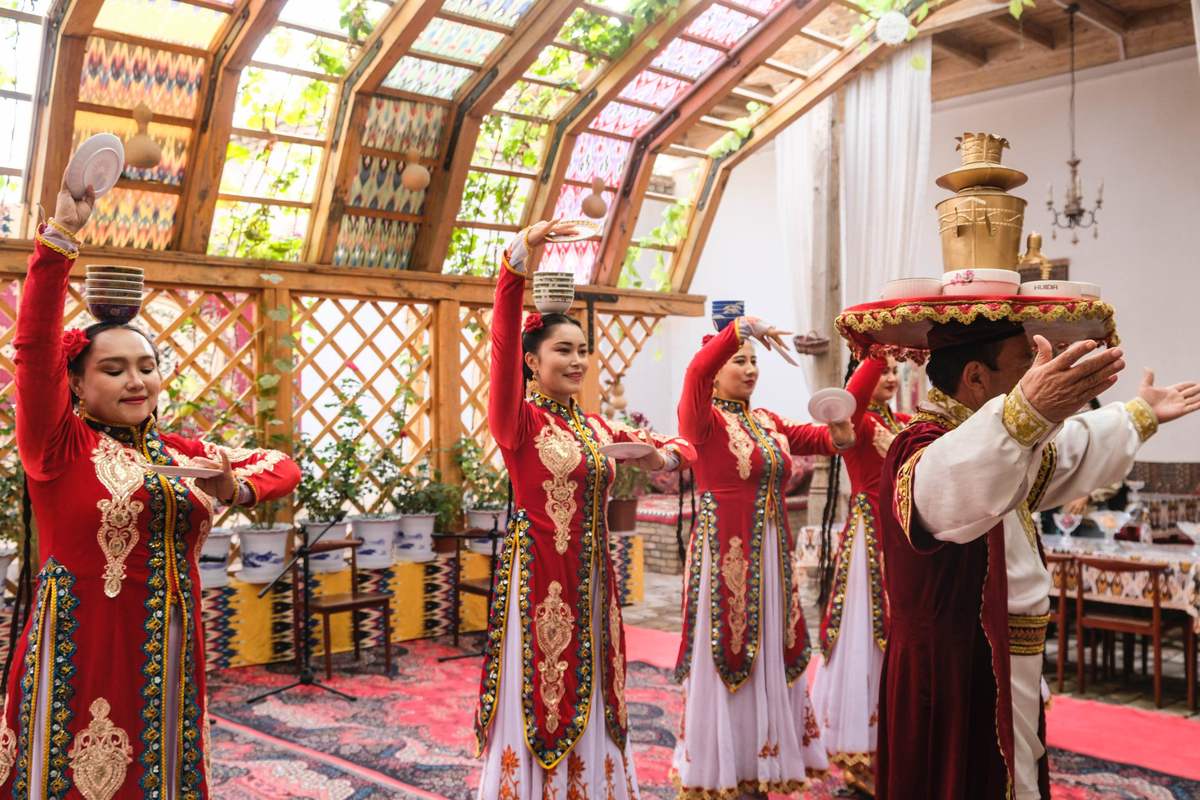
The Samawar and bowl dance testify to the region's long-standing tradition of hospitality.
Men typically perform the Samawar, with participants demonstrating their skill in balancing an 8 kg teapot on their heads. The bowl dance, commonly executed by women, involves small tea bowls delicately balanced on the dancers' heads. Accompanied by music, the dancers gracefully move their necks and bodies in rhythmic motions, incorporating movements such as spinning, kneeling, and sudden stops while moving in different directions. The art form creates a visually captivating performance, as the teapot and bowls seem to be extensions of their bodies.
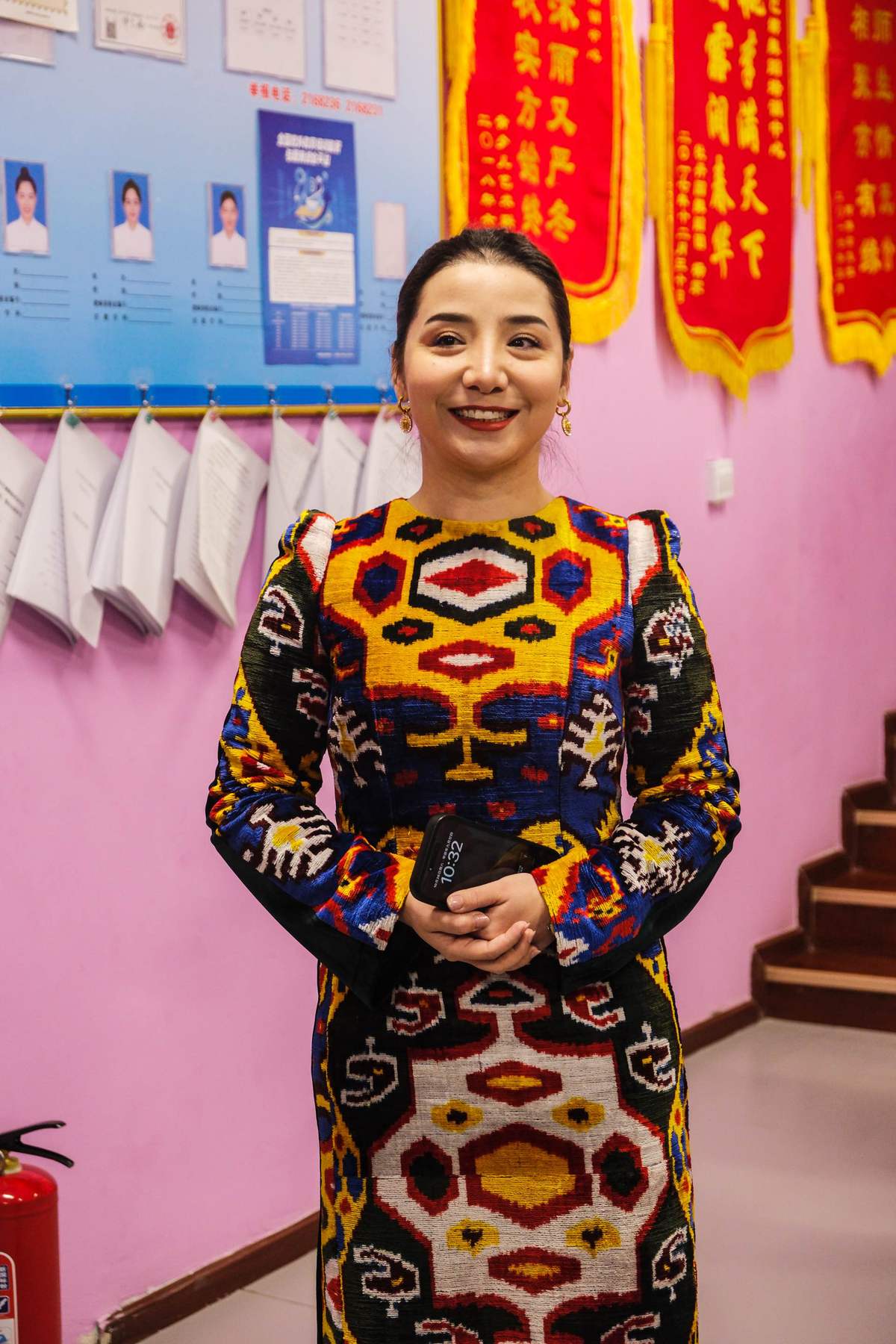
Bana, the owner of the Bana Dance Training Center in Korla, Bayingol Mongol autonomous prefecture of Xinjiang, provides insights into the dance's origins.
"The Samawar dance originated in Kuqa, Xinjiang, during the heyday of Kuqa music and dance from the 4th to the 7th centuries AD. It is one of China's intangible cultural heritages," she said.
The Uygur dances are cultural artifacts that embody the welcoming spirit of the region. Traditionally, performers present the Samawar and bowl dances to entertain guests and newcomers. The Kizil Caves, a UNESCO World Heritage Site in Kuqa, depict the dances in the mural paintings of musicians within Cave 38. The site represents a transcendent cultural exchange along the Northern Silk Road in ancient times.
Bana highlights the significance of traditional dances, such as the Sainaim, Daolang, Sama, and Nazilkum, in preserving and celebrating Uygur culture.
"The bowl and Samawar dance are often choreographed into finales when presented in national and international dance competitions, winning awards. This recognition reflects the love and appreciation for Uygur dance from experts and audiences," she said.
Bana explained that Grandpa's Samawar, a modern interpretation inspired by the traditional Samawar dance, received notable recognition following its presentation at the 14th China Dance Lotus Award in 2023, where it secured the top 'Lotus' prize in the Ethnic and Folk Dance category.
The 2024 China Media Group Lantern Festival Gala featured Grandpa's Samawar at the Kashgar sub-venue, signaling its increasing presence in popular cultural events throughout Xinjiang. These dances now captivate audiences in diverse cities and regions, proudly showcasing the region's local flavor, folk customs, and rich cultural heritage.
Bana has always been passionate about music and dance. She realized there was a need for more institutions to share traditional Uygur dance. After graduating with a degree in choreography from the Xinjiang Art Institute, she opened the Bana Dance Training Center in 2012, a place dedicated to preserving and promoting Uygur culture through dance.
"At that time, there was no dance training institution in Korla, so I had the idea of starting a dance training institution to train children from an early age," she said.
"The school now has 13 staff members, with our youngest student being 4 years old and the oldest being 65 years old," she added.
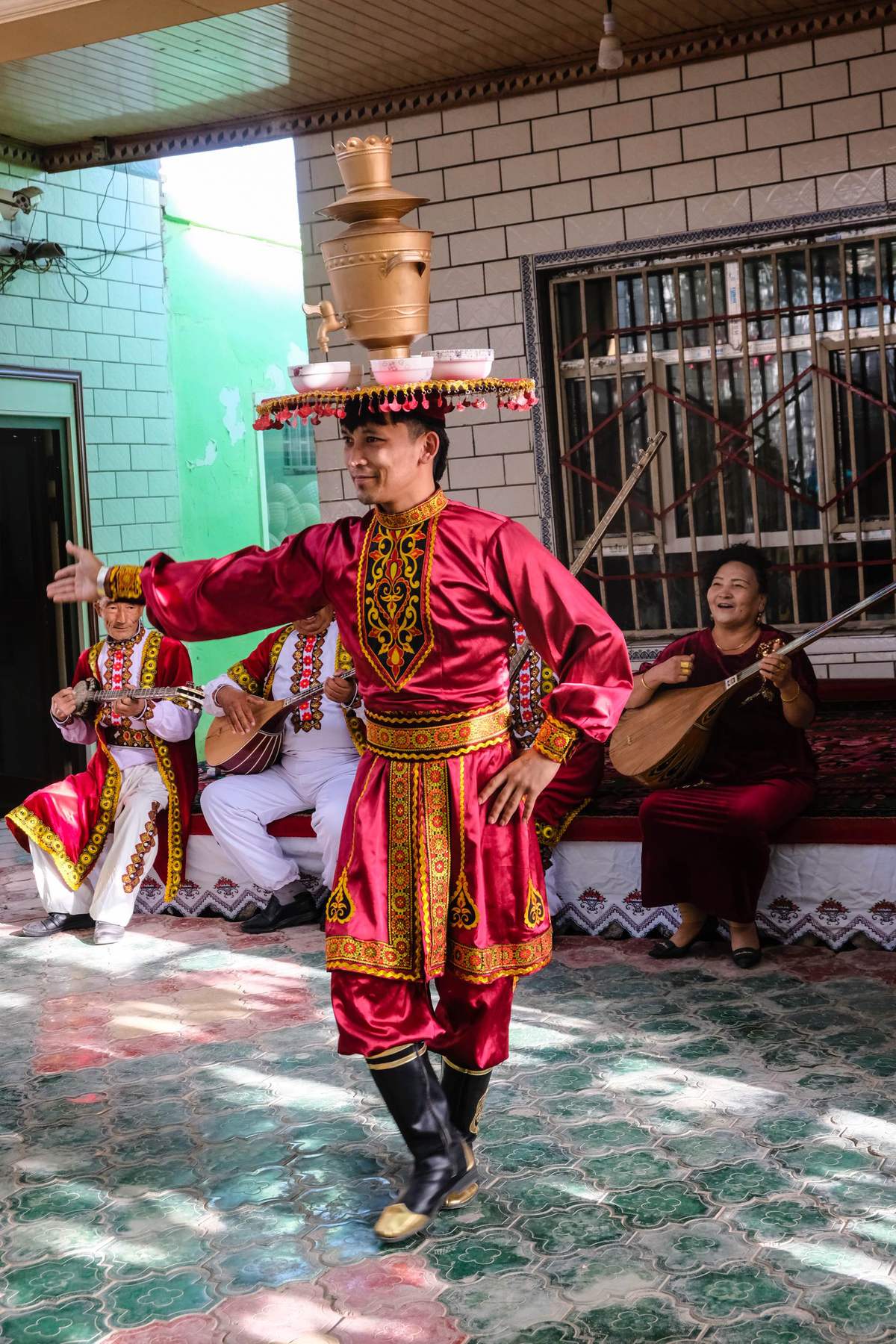
Artists need strength and exceptional dance skills to master traditional Uygur dance. Visitors to Kuqa city's residential historic area can witness the mesmerizing Samawar dance. Other popular tourist locations in Xinjiang, such as Aksu, Kashgar, and Urumqi, also showcase these traditional dances.





