



Manila's move threatens regional peace









Editor's note: The deployment of the US' Typhon missile system in the Philippines has raised widespread concerns, with critics arguing that such a weapon system far exceeds the defense requirements of Manila and, instead, risks escalating tensions in the South China Sea, while serving the US' geopolitical interests at the expense of regional peace. Three experts share their views on the issue with China Daily.
An open attempt to disrupt regional peace
By Yang Xiao and Lin Ziqin
The US' Typhon medium-range missile system, which was transported to the Philippines for a joint military drill earlier this year and should have left the country's shores by September, has remained in northern Philippines since April at the request of the Philippine government. Manila is considering deploying it permanently in order to counter the so-called threat from China.
Neighboring countries have criticized the Philippines for deploying the medium-range missile system in the region, saying its decision is a betrayal of its promise to maintain peace and a threat to the collective security of the region. The US may have cajoled some Philippine politicians into agreeing to permanently deploy the missile system, but the Philippine government's decision does not serve the country's security interests. Instead, it will undermine regional security and deceive the Philippine people into believing their government's move is in their interest.
Medium-range missiles are offensive weapons and have the potential to severely disrupt the strategic stability and security of a region. During the Cold War, the US and the Soviet Union signed the Intermediate-Range Nuclear Forces Treaty, banning the deployment of such weapons. But the US pulled out of the INF Treaty in 2019, and colluded with a few Philippine politicians to deploy the medium-range missiles in the Asia-Pacific region to maintain its global hegemony. This is a coercive act which will disrupt the regional strategic balance, posing a serious threat to regional countries and exacerbating geopolitical tensions.
The deployment of medium-range missiles doesn't serve the Philippines' security needs. The destructive and deterrent capabilities of such offensive weapon systems far exceed the defense requirements of the Philippines. Manila has cited the US-Philippines Mutual Defense Treaty to justify the deployment of the missiles. But the missiles will not bolster its security; rather they will put it at greater risk, because offensive weapons are prime targets when conflicts break out.
Moreover, medium-range missiles are "luxury items" on the US government's arms export list. The Philippines faces some serious economic challenges such as inflation. Many Philippine people are worried about their incomes and employment. So it would cause grave harm to Philippine taxpayers and ordinary citizens if some politicians resort to populism and seek foreign military help to divert people's attention from the burning domestic economic issues.
The deployment of medium-range missiles in the Philippines has not upset China as a few US military conspirators think nor does it increase the Philippines' military power as some Philippine politicians believe. Instead, the missile system poses a threat to the security and development of all the countries in the region, and endangers the safety and interests of the Philippine people.
Yang Xiao and Lin Ziqin are experts in maritime studies at the China Institutes of Contemporary International Relations. The views don't necessarily represent those of China Daily.
Missiles threaten China's security
By Du Jifeng
The Philippine defense minister, according to foreign media reports, has said that Manila is considering purchasing the Typhon medium-range missile system from the US. This is Manila's latest move to undermine Sino-Philippine relations and regional stability.
Since April, Manila had been saying the medium-range missile system was deployed in the country for the US-Philippines joint military exercise and will be shipped back to the US. But Manila, going back on its word, now intends to permanently deploy it.
The Philippines' move poses a direct threat to China's national security. The Typhon medium-range missile system is an offensive weapon which can launch Tomahawk cruise missiles that can hit southern China. Therefore, the missile system's deployment will exacerbate tensions in the South China Sea and the region beyond.
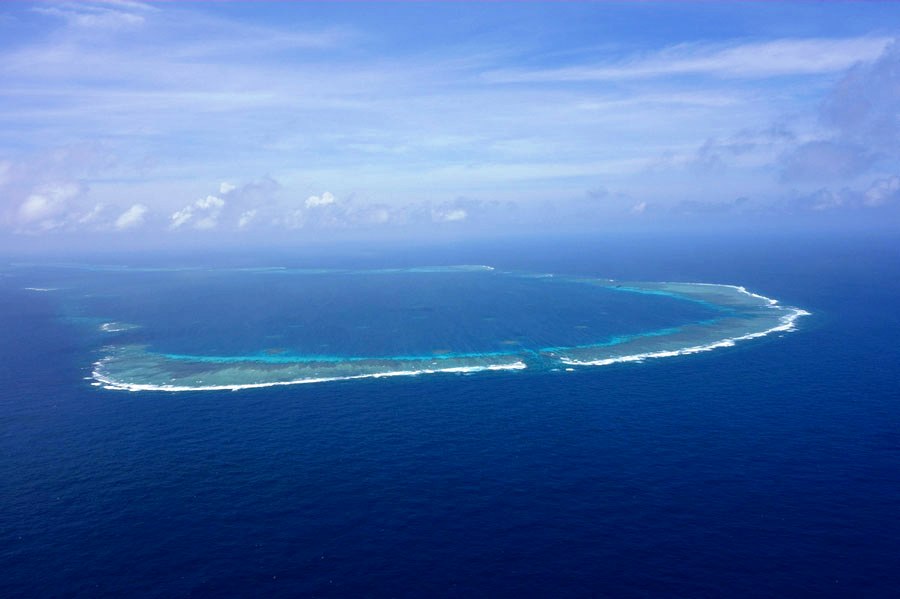
Although the Philippine government claims it has been trying to ease tensions in the region and rebuild mutual trust with China, it has repeatedly violated the Declaration on the Conduct of Parties in the South China Sea and provoked incidents around China's islands and reefs, including Huangyan Island, in the South China Sea.
Manila's possible purchase and deployment of the missile system will further threaten regional peace and stability, while serving the security interests of the US and encouraging it to interfere in the South China Sea issue. With a new US administration about to take office, Manila's high-profile announcement of its intention to purchase the Typhon medium-range missile system exposes its intention to curry favor with US president-elect Donald Trump to seek his government's military protection.
Du Jifeng is an associate researcher at the National Institute of International Strategy, Chinese Academy of Social Sciences. The views don't necessarily represent those of China Daily.
If you have a specific expertise, or would like to share your thought about our stories, then send us your writings at opinion@chinadaily.com.cn, and comment@chinadaily.com.cn.





