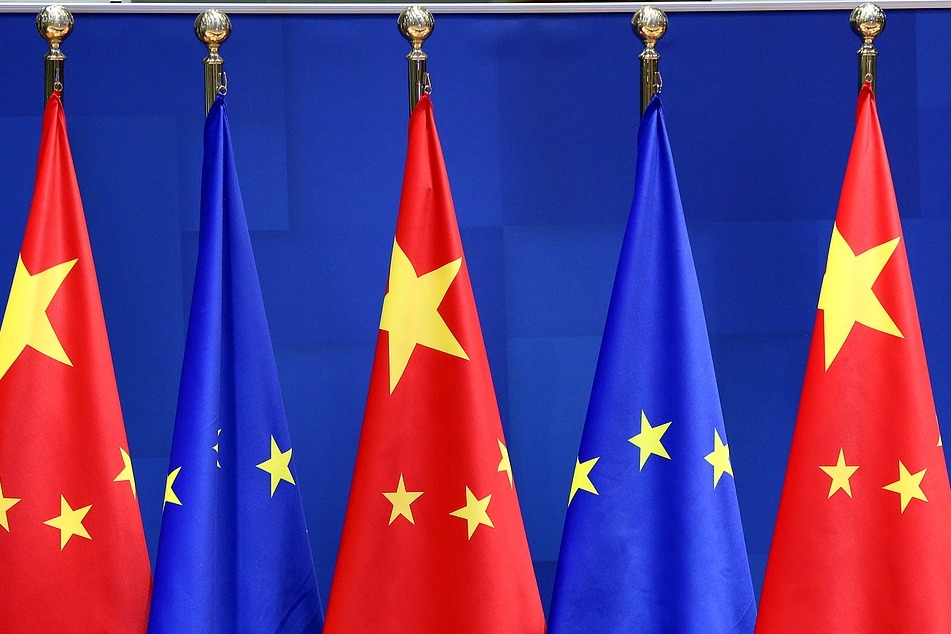
Shaping a new era of Sino-European cooperation









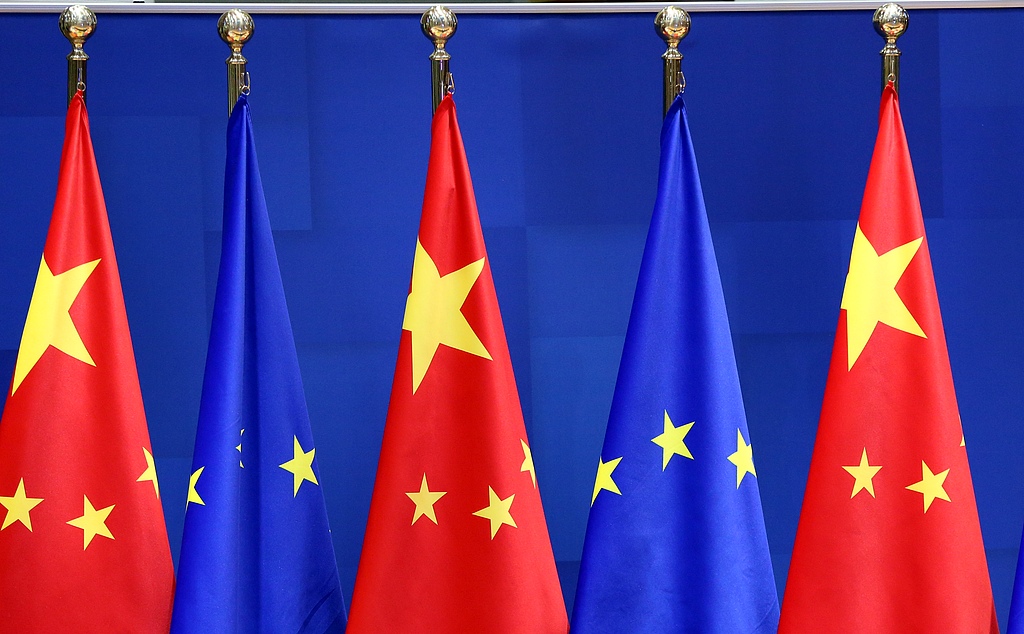
In recent years, the shift from globalization to localization has marked a profound transformation in the dynamics of China-Europe business collaboration. This transition, driven by the imperative to bring producers closer to consumers, is reshaping how both regions address local demands while fostering greater economic inclusivity.
It is crucial to recognize that localization does not contradict globalization; rather, it represents a reimagined framework for globalization — one enabled by new technology, which facilitates a more distributed and adaptive global network.
By prioritizing localization, businesses are adapting to modern supply chain challenges and meeting the evolving preferences of consumers. This approach is not only deepening the ties between Europe and China, it is also laying the groundwork for more resilient and sustainable partnerships.
However, building these partnerships requires more than strategic alignment — it hinges on mutual trust and transparency.
During Tuesday's phone conversation with European Council President Antonio Costa, Chinese President Xi Jinping rightly called on both sides to strengthen strategic communication, enhance strategic mutual trust, and uphold their partnership.
Overcoming cultural and operational differences remains a critical challenge, but enhanced communication and the establishment of shared governance frameworks can pave the way for more integrated and enduring collaborations.
Trust, after all, is the bedrock of any successful relationship, and in this context, it will determine the future trajectory of Sino-European cooperation.
The shared pursuit of digital transformation and sustainability provides a powerful platform for mutual growth and the cultivation of trust. Both Europe and China recognize the immense opportunities that arise when technology and environmental objectives are aligned.
This dual focus offers the chance to create a greener and more inclusive global economy, where collaborative initiatives can drive meaningful progress for both local and global communities.
A notable example is the partnership between China's CATL and Germany's BMW, which focuses on developing sustainable battery technologies to support the transition to electric vehicles in Europe. Such collaborations not only advance technological innovation but also underscore the importance of aligning environmental goals across regions.
Hungary's plan of undertaking a $2 billion infrastructure project in Debrecen to transform the country's second-largest city into one of Europe's biggest battery production hubs highlights how the European-Chinese business collaboration in localization can benefit the local economy.
Similarly, European chipmaker STMicroelectronics announced its collaboration with Hua Hong Semi-conductor, China's second-largest bespoke chipmaker, to manufacture microcontroller chips in Shenzhen, Guangdong province, by the end of 2025.
These joint projects showcase the potential of innovation-driven partnerships to transcend borders and foster a sense of global responsibility.
Central to this vision of collaboration is a commitment to human capital. Investing in workforce development is critical for both regions to keep pace with rapid technological advancements. Educational programs designed to build digital and transformative skills can prepare employees for the demands of the future.
Partnerships with universities play a pivotal role in cultivating a new generation of talent, one that is not only skilled but also ready to drive innovation in emerging industries. Recent initiatives between Chinese and European universities, particularly those in Italy and France, underscore the importance of placing people at the heart of economic progress.
Last year, the China-France University Presidents' Forum hosted at Tongji University in Shanghai explored ways to develop engineering talent through sustainable higher education.
Similarly, the China-Italy University Rectors Dialogue Meeting held at Peking University in Beijing in November, which was attended by Italian President Sergio Mattarella, resulted in new academic agreements and the launch of an initiative to expand European youth exchanges in China.
Another pillar of successful cooperation lies in enhancing the resilience of supply chains. Emerging technologies provide unprecedented opportunities to strengthen these operations, ensuring that businesses can adapt to disruptions with agility. Digital tools offer greater transparency and efficiency, which are key to creating supply chains that are not only robust but also competitive in the global market.
Business relations
For example, JD Logistics' partnerships with European firms to optimize cross-border e-commerce supply chains illustrate the potential of technology-driven supply chain resilience. By embracing new technologies, companies can navigate uncertainties and build the flexibility needed to thrive in a rapidly changing world.
For Chinese businesses seeking to expand their presence in Europe, a strategic and collaborative approach is essential to build trust. Success requires more than market entry; it demands a deep understanding of local dynamics and a commitment to aligning with European regulations and business practices. Chinese companies must clearly define their objectives and seek partnerships with European firms to achieve them.
Engaging in open dialogue with local governments and industry bodies is an important first step in identifying opportunities and navigating regulatory frameworks. Hosting collaborative events, such as workshops and forums, can also foster stronger connections and a clearer understanding of project feasibility.
Compliance with European regulations is essential for ensuring smooth market entry.
Beyond compliance, leveraging local expertise through partnerships with established European firms can help Chinese companies overcome market entry challenges. These collaborations provide valuable insights into the nuances of local markets, which are often shaped by language, culture and tradition.
Establishing joint ventures with trusted European counterparts can further strengthen these relationships by sharing investment risks and resources. In addition, collaboration with academic institutions and research centers can offer access to local expertise while enhancing innovation potential. Such partnerships not only foster goodwill with public authorities but also signal a commitment to contributing positively to the local economy.
Europe and China stand on the threshold of a new era in their relationship, one defined by shared aspirations for a sustainable and digitally empowered future. As 2025 marks the 50th anniversary of EU-China diplomatic relations, this milestone serves as a crucial moment to reflect on the progress made and to envision a deeper, more dynamic partnership for the decades ahead.
Policymakers, businesses and academic institutions shall prioritize joint initiatives that capitalize on their shared strengths, ensuring long-term progress and mutual benefit. By embracing collaboration, innovation and people-centered initiatives, both regions can position themselves as leaders in global progress.
This is not merely a partnership of convenience; it presents a bold vision of what is possible when two economic powerhouses join forces to address the challenges and opportunities of our time. Together, we can drive meaningful change and inspire a model of cooperation that benefits the entire world.
The author is president of ChinaEU, a Brussels-based association promoting China-Europe business cooperation in the digital area.