Traditional dresses become new fashion









It took me quite a while to search my cupboard and shoe racks to find the right suit and shoes to wear to the wedding of a friend's daughter. The invitation made it clear that guests should be dressed in formal attire, which I understood to be a dark-colored suit, a tie and black leather shoes.
Not having attended a formal gathering since I retired a few years ago, I realized I had no idea what kind of dress and shoes were in vogue after having spread out my suits on the bed and laying my shoes on the floor. Should the suit have two buttons, or three or four buttons? Are shoes with a pointed toe, or semi-pointed toe or round toe in fashion?
After arriving at the wedding venue in my formal attire, I was surprised to find that I was one of the few wearing a Western suit and leather shoes. Many of the guests were wearing jeans, jackets and sneakers. Even my friend and his wife were clad in traditional Chinese dresses called tangzhuang.
I realized that fashion in China had changed, yet again. Five decades ago, when we were young, people throughout the country wore the same type of dress — the suits that were gray, blue or military green in color. Leather shoes were then a luxury for most people who were struggling to make ends meet.
It was only after the launch of reform and opening-up that Western fashion was introduced to China. Soon Western suits, ties and leather shoes became popular.
Western fashion dominated China for decades, with people wearing Western suits and leather shoes, which were seen as symbols of social status. It's another matter that many felt uncomfortable wearing them. Even some shopkeepers and vendors wore Western suits, ties and leather shoes to attract customers.
Things began to change about a decade ago. Of late, in shopping malls shops selling Western suits and leather shoes have been making way for outlets selling jackets, sportswear and sneakers. Plus, people no longer send each other ties as gifts.
From TV programs, we can see that only when the National People's Congress and the Chinese People's Political Consultative Conference National Committee meet for their annual session or when State leaders meet foreign guests that the leaders are dressed in Western suits, ties and leather shoes. On almost all other occasions, they wear shirts and trousers, and, if need be, jackets.
According to available data, after reaching its peak of producing about 4.62 billion pairs of leather shoes in 2016, China's leather shoe production dropped to 3.59 billion pairs last year, with only 2.9 billion pairs being consumed in China and the rest either exported or stockpiled in warehouses.
Observers cite two reasons for the decline in the sales of Western suits and leather shoes in China: people's need for comfort and their rising awareness about and confidence in traditional Chinese culture.
While Western suits and leather shoes, including high-heel shoes, help make people look elegant, the trouble they cause is lost on nobody. At a time when many people take walking at least 10,000 steps a day as a necessary health requirement, wearing sneakers makes much more sense. That's why while the production of leather shoes has been going down and that of sneakers is going up by 15 percent a year over the past four years. In fact, attending important events in jackets and sneakers is regarded by many nowadays as formal.
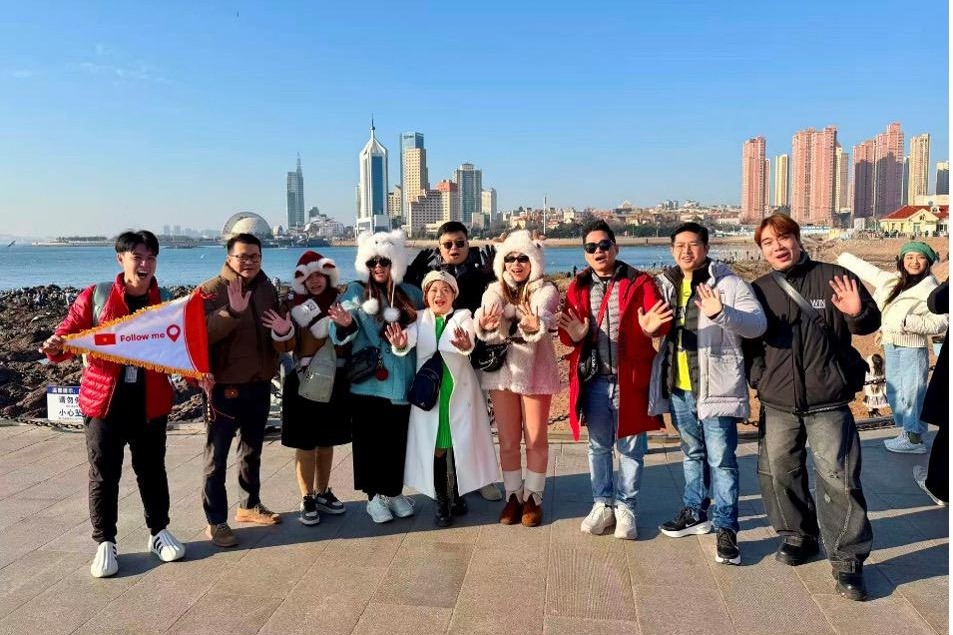
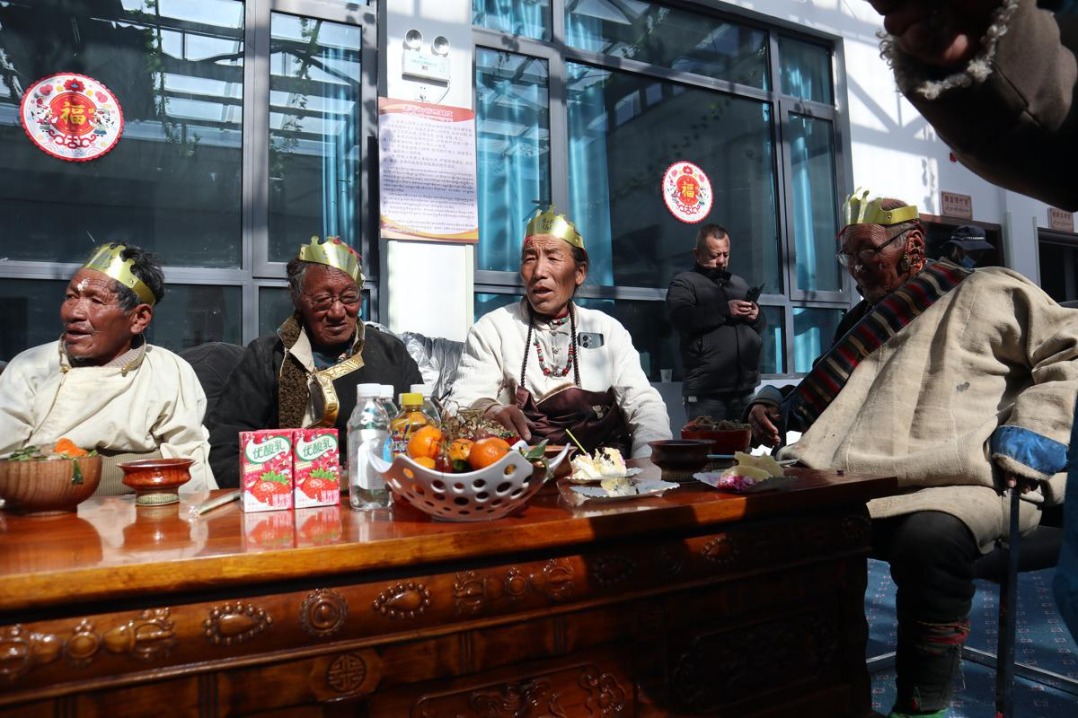
On many important occasions, especially while visiting some tourist destinations, we see more and more people, especially women, wearing traditional dresses called hanfu or tangzhuang — Han refers to the Han Dynasty (206 BC-AD 220) and Tang refers to the Tang Dynasty (618-907), meaning they were popular during the two periods, respectively. The two dynasties are considered the golden periods in Chinese history.
In many cities, shops selling or renting out such dresses have been doing brisk business. Made of silk and being colorful, traditional dresses are becoming increasingly popular among young women, who are showing that traditional dresses can be fashionable, too.
The author is former deputy editor-in-chief of China Daily.
?