



China's Spring Festival goes global









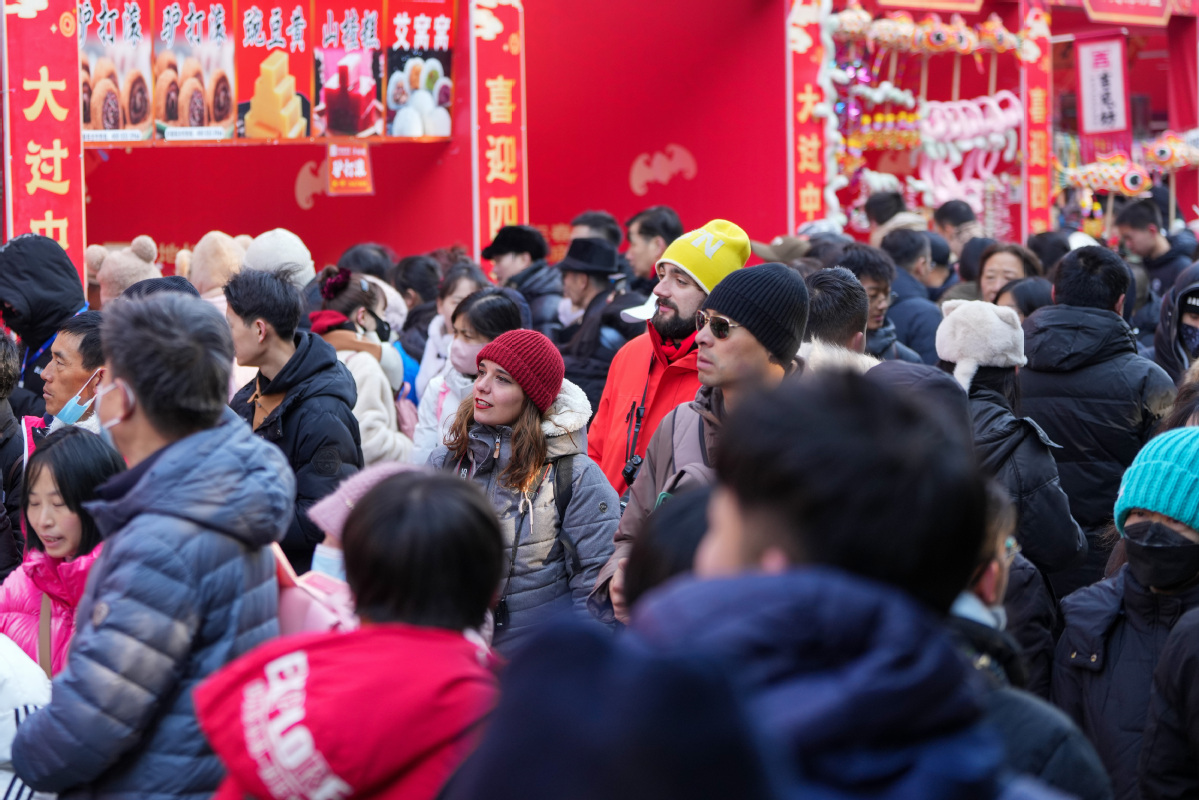
The Chinese Spring Festival, also known as the Spring Festival, has a remarkable history spanning over 4,000 years. Originally an agrarian tradition marking the end of winter and the beginning of spring, it has evolved into one of the most widely celebrated cultural events worldwide. Today, nearly one-fifth of the world's population celebrates the festival in different forms, with approximately 20 countries designating it as a legal holiday. Its global significance reflects its universal themes, cultural richness and adaptability to modern times.
Ancient texts such as Matteo Ricci's Notes on China vividly describe the Spring Festival's early practices. These included rituals to honor ancestors, ward off the mythical Nian beast and welcome a prosperous year. Traditional customs such as offering sacrifices, lighting lanterns and preparing feasts were deeply rooted in the rhythms of rural life and community. Over centuries, these customs have been preserved, modified and reimagined to suit the changing lifestyles of those who celebrate.
Modern technology and innovation have transformed the way the Spring Festival is celebrated, both in China and abroad. Fireworks, once the dominant spectacle, have been enhanced by dazzling drone light shows, while digital advancements have made traditional practices like giving red envelopes more accessible. Popular platforms such as WeChat now enable people to send virtual "hongbao" globally, fostering participation even in distant regions.
Globally, the Spring Festival has transcended its origins to become a multicultural phenomenon. Cities like Sydney and New York City host elaborate parades and fireworks displays, while countries like Canada and Indonesia integrate local traditions into the celebrations. In the Philippines, for example, the festival is celebrated alongside indigenous rituals, reflecting a blending of cultures that enhances its global appeal. Such adaptations ensure the festival is not just an imported event but a meaningful part of diverse cultural landscapes.
The festival's popularity outside China can be attributed to several factors. Its universal themes of family, renewal and hope resonate across cultures, making it accessible and relatable. Additionally, the Chinese diaspora has played a crucial role in sharing and sustaining these traditions in new environments. With about 60 million Chinese living overseas, communities worldwide have embraced the festival as a vibrant way to connect with their heritage and share it with others.
China's growing global influence has also been instrumental in spreading the Spring Festival. Initiatives like the "Happy Chinese New Year" campaign and the Belt and Road Initiative (BRI) have introduced millions to Chinese traditions through cultural exchanges, performances and exhibitions. The Global Civilization Initiative (GCI) further amplifies these efforts, promoting the value of cultural diversity and mutual respect. For instance, Chinese embassies and cultural centers regularly organize events showcasing the festival's traditions, from zodiac animal symbolism to the art of paper-cutting and dumpling-making.
The adaptability of the Spring Festival has been key to its longevity and global relevance. While the core values of family, gratitude and renewal remain intact, the festival has embraced change, making it appealing to new generations. This balance between preservation and innovation highlights the importance of community involvement, education and formal documentation in safeguarding cultural heritage. China's approach, such as including traditional festivals in UNESCO's Representative List of the Intangible Cultural Heritage of Humanity, serves as a model for protecting and promoting traditions globally.
Moreover, the Spring Festival's evolution offers valuable lessons for other nations. Its ability to unite people across borders demonstrates the power of shared celebrations in fostering mutual understanding. By blending traditional narratives with contemporary forms of media, such as film, music and digital platforms, China has made the festival accessible to a global audience. The diaspora and international partnerships have further amplified its reach, creating opportunities for cultural exchange and collaboration.
The festival's global resonance also underscores the importance of cultural diplomacy in today's interconnected world. Through initiatives like the GCI, China emphasizes the significance of cultural heritage as a unifying force, celebrating diversity while promoting shared human values. This approach not only enriches the global cultural landscape but also strengthens relationships between nations, contributing to a more inclusive and harmonious world.
As the Spring Festival continues to grow in relevance, it serves as a shining example of how traditions can thrive in a modern context. Its enduring appeal lies in its ability to adapt without losing its essence, offering a sense of continuity and connection in an ever-changing world. By embracing innovation and fostering inclusivity, the festival inspires people across cultures to celebrate their own heritage while appreciating the beauty of others.
Ultimately, the Spring Festival is more than just a Chinese tradition. It is a global celebration that bridges cultures, fosters unity, and enriches the shared human experience. As more countries integrate the festival into their cultural calendars, it stands as a testament to the enduring power of tradition, resilience and the universal values that bind us all.
The author is the executive director of South-South Dialogues, a Nairobi-based communications development think tank.





