



The rise of dazi culture: The lightness and boundaries of modern social interaction









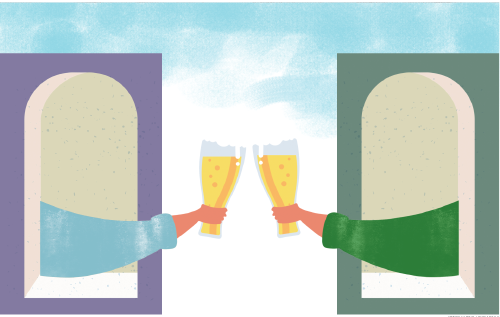
In recent years, the term "dazi" (often translated as "partner" or "buddy") has taken the internet by storm, becoming a buzzword among young people across social media platforms. From "meal dazi" to "travel dazi," and even "study dazi," this phenomenon has woven itself into the fabric of modern youth culture. At its heart, dazi culture represents a new form of social interaction—one that is lightweight, flexible and tailored to the fast-paced, fragmented lives of today's young adults. But while it offers a refreshing alternative to traditional social structures, it also raises questions about the depth and sustainability of these connections.
The essence of dazi culture: Precise companionship
Dazi culture thrives on the idea of "precise companionship." Unlike the deep, long-term bonds of traditional friendships, dazi relationships are often short-term and purpose-driven. They are formed around specific activities or interests, whether it's grabbing a meal, hitting the gym, or cramming for an exam. The beauty of this model lies in its simplicity, where young people can connect with others who share their immediate needs or interests, without the pressure of cultivating a lifelong friendship. Social media platforms have made it easier than ever to find these "partners-in-crime," creating a sense of community that is both accessible and low-commitment.
This shift towards task-oriented relationships reflects a broader trend in modern society. As our lives become increasingly busy and fragmented, the traditional model of friendship — which often requires significant time and emotional investment — can feel overwhelming. Dazi culture offers a solution; it allows young people to maintain social connections without the burden of long-term commitments. This is particularly appealing to a generation that values efficiency and flexibility.
The social and economic roots of dazi culture
The rise of dazi culture is deeply rooted in the social and economic realities of modern life. As society becomes more fast-paced and competitive, traditional social structures are eroding. The close-knit communities of the past have given way to a more fragmented, individualistic lifestyle. Young people, in particular, are under immense pressure to succeed in all aspects of life —academically, professionally and socially. In this context, dazi culture offers a way to maintain social connections without the time and emotional investment required by traditional relationships. It's a pragmatic solution for a generation that values efficiency and independence.
Moreover, the rise of the gig economy and remote work has further fueled the popularity of dazi culture. As more people work freelance or remotely, the traditional workplace — once a key site for social interaction — has become less central to our lives. Dazi culture fills this gap by providing a flexible, low-pressure way to connect with others. Whether it's finding a workout buddy or a study partner, dazi relationships offer a sense of community without the constraints of traditional social structures.
The challenges of dazi culture
But as with any social trend, dazi culture comes with its own set of challenges. For one, the process of finding a dazi can feel like opening a blind box — you never quite know what you're going to get. While many dazi relationships are positive and mutually beneficial, there are risks involved. Some individuals may exploit the anonymity of online platforms to engage in fraudulent or harmful behavior. For example, there have been reports of people using online platforms to scam others out of money or to engage in inappropriate behavior. This highlights the importance of caution when forming dazi relationships, especially when meeting someone for the first time.
Moreover, the transient nature of these relationships can make it difficult to build trust or establish deeper connections. Dazi relationships are often based on specific activities or interests, and once that activity is over, the relationship may fizzle out. Over time, relying too heavily on dazi interactions may lead to a sense of social isolation, as young people become accustomed to superficial, task-oriented relationships. This can be particularly problematic for those who struggle with loneliness or who lack deeper social connections.
Navigating the risks: Safety and self-awareness
To navigate these challenges, young people need to approach dazi culture with a healthy dose of caution and self-awareness. When forming dazi relationships, it's important to take steps to ensure safety and compatibility. This might include meeting in public spaces, verifying identities through mutual connections, or setting clear boundaries from the outset. For example, some dazi platforms now offer verification features, allowing users to confirm their identity before meeting in person. These measures can help reduce the risks associated with dazi culture and create a safer environment for social interaction.
At the same time, dazi culture can be more than just a way to pass time — it can also be a platform for collaboration and growth. By sharing resources, knowledge and experiences, dazi partners can create opportunities for personal and professional development. For example, a "study dazi" might help you stay motivated and focused during exam season, while a "travel dazi" could introduce you to new cultures and perspectives. In this way, dazi culture can be a valuable tool for personal growth and self-improvement.
The importance of balance
Ultimately, the key to making dazi culture work lies in balance. While these relationships can provide valuable companionship and support, they shouldn't replace deeper, more meaningful connections. Young people should strive to maintain their independence and avoid becoming overly reliant on dazi interactions. By setting clear boundaries and prioritizing self-respect, they can enjoy the benefits of dazi culture without losing sight of their own needs and values.
This balance is particularly important in a world where social interactions are increasingly mediated by technology. While dazi culture offers a convenient way to connect with others, it's important to remember that real, meaningful relationships require time, effort and emotional investment. Dazi relationships can be a great supplement to our social lives, but they shouldn't be the only form of social interaction we engage in.
The future of dazi culture
In conclusion, dazi culture is a fascinating reflection of the changing social landscape. It speaks to the adaptability and resourcefulness of young people in the face of modern challenges. And it also serves as a reminder of the importance of balance and self-awareness in our social lives. As dazi culture continues to evolve, it will be interesting to see how it shapes the way we connect, collaborate and grow in the years to come.
For now, dazi culture offers a compelling glimpse into the future of social interaction — one that is light, flexible and full of potential. But as we embrace this new way of connecting, it's important to remember that the most meaningful relationships are those that go beyond the surface. Whether it's a dazi or a lifelong friend, the key to a fulfilling social life lies in finding the right balance between convenience and depth, independence and connection. As we navigate the complexities of modern life, dazi culture can be a valuable tool —but it's up to us to use it wisely.
The author is an MA student of English linguistics at Shandong University (Weihai). The views don't necessarily reflect those of China Daily.
If you have a specific expertise, or would like to share your thought about our stories, then send us your writings at opinion@chinadaily.com.cn, and comment@chinadaily.com.cn.





