Experts predict limited AI impact on Sub-Saharan African workforce









While artificial intelligence is expected to disrupt the workforce globally by automating tasks, reshaping job responsibilities and creating new job opportunities, experts suggest that Sub-Saharan African workers may remain largely unaffected.
Speaking at a webinar on Wednesday organized by the BMI, a British multinational research firm and subsidiary of Fitch Solutions, Sayen Gohil, the firm's analyst for Sub-Saharan Africa Country Risk, said that the region's low incomes and limited access to AI technologies will make large-scale adoption difficult.
He added that most of Sub-Saharan Africa's workforce is in the informal sector, which limits the ability of AI to be widely implemented.
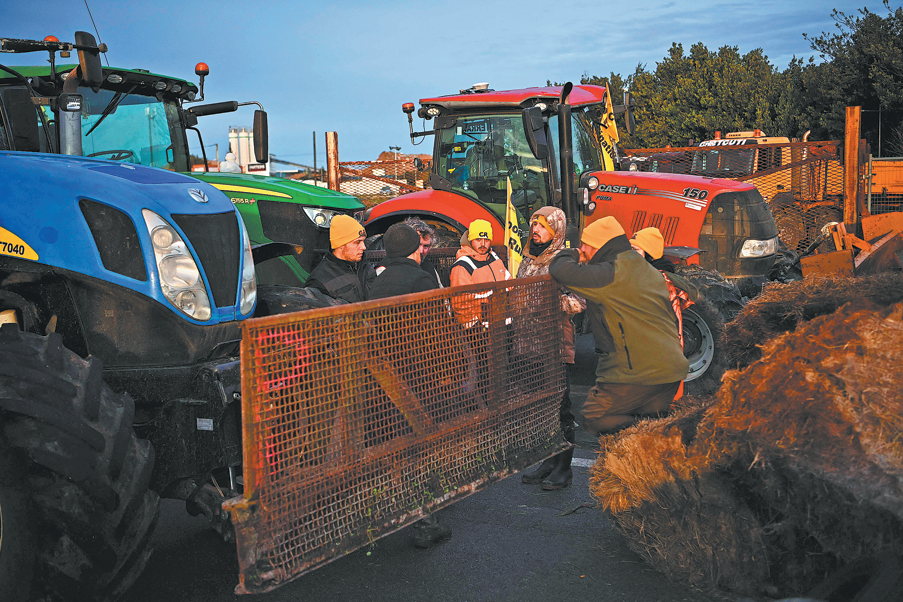
He said over half of all workers in the region are employed in agriculture, a sector with limited exposure to the benefits and risks of AI.
"There is a chance that AI enabled agricultural tools could boost agricultural productivity and yields, especially in the medium to long term. New technology and knowledge transfer could help these farmers boost their output significantly," Gohil said.
For AI to provide tangible benefits for agricultural workers especially in poorer countries in Sub-Saharan Africa, he cautioned that AI adoption must be carried out in tandem with broader agricultural development initiatives.
For instance, a farmer can access information about the right yields and fertilizer to use. However, this should be done in tandem with government initiatives to increase the availability of these crucial inputs and more basic agricultural tech alongside enabling access to AI tools.
South Africa which is more developed and industrialized in Sub-Saharan Africa and has a higher proportion of workforce in the formal economy is likely to be affected by AI adoption.
"Only 40 percent of the exposed labor markets stand to benefit from the adoption of AI with 60 percent of that workforce likely to be at risk of replacement. That means over a third of South African workers are at risk of significant disruption as a result of AI adoption," Gohil said.
Despite the perception that low developed countries may not adopt AI, Gohil said just like the innovation of mobile money transfer in Kenya that revolutionized the financial sector, such countries could catch up quicker to more developed middle-income countries using AI technology.
Darren Tay, head of Asia Country Risk at BMI, said globally, low level clerical workers and sales workers will likely be replaced by AI. On the other hand, high skilled professions like surgeons, judges and the managerial class in general will be enhanced by AI adoption without replacing the workers.
He said developed markets like Europe and Asia have the highest degrees of exposure — they are at the highest risk of disruptions to labor force but are also better placed to benefit from AI productivity gains. Tay added that AI could increase income inequality in Asia.
Julia Sinitsky, BMI analyst for Latin America Country Risk, pointed out that wealthier countries like Chile, Suriname and Uruguay are better positioned to benefit from AI due to their existing resources and developed infrastructure.
Conversely, poorer countries, particularly those with significant agricultural and fishing industries like Peru, may face challenges as they have fewer jobs that can leverage AI for productivity gains.
Mariette Kas-Hanna, BMI senior analyst for MENA Country Risk, said in the Middle East and North Africa, wealthier and more developed economies with large service sectors such as Israel and the United Arab Emirates, have exposure to AI similar to developed markets in Europe and Asia.