



Global implications for the shifting landscape of US foreign policy









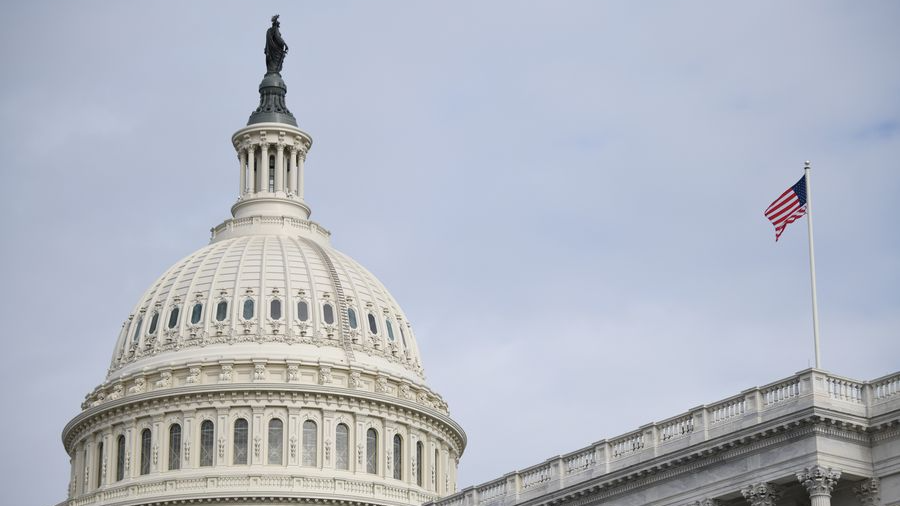
The current shift in US foreign policy, marked by a demand for greater "regional responsibility" from its allies, represents a significant recalibration of America's role in the world. This transformation, which began under the Trump administration's "America First" doctrine and continues to evolve dramatically, has profound implications for international geopolitics, alliance structures and global stability. As the United States redefines its strategic priorities, other nations, including China, are compelled to reassess their own foreign policies and global positioning.
In the Trump era, key decisions underscored a transactional approach that prioritized US interests over multilateral cooperation. These actions reflected a broader skepticism of global institutions and a belief that traditional alliances had become burdensome rather than beneficial.
The Biden administration, while toning down some of Trump's rhetoric, has largely continued this trend of redistributing responsibilities to allies. This shift is driven by a recognition of the limits of American power. However, it also signals a retreat from the US' traditional role as the guarantor of the Western dominant global system, raising questions about the future of international order.
History demonstrates that transitions in global power dynamics often lead to instability. For instance, in Europe, the US' insistence on greater burden-sharing within NATO has strained transatlantic relations, with European allies questioning America's reliability as a security guarantor.
China's approach to this shifting landscape is shaped by a combination of strategic pragmatism and philosophical principles rooted in its ancient traditions. The concept of tianxia (all under heaven) envisions a harmonious world order where states coexist under a shared moral framework. This worldview emphasizes stability and mutual respect, contrasting sharply with the US' transactional and often confrontational approach.
Confucian values further inform China's diplomacy, emphasizing moral leadership, benevolence and the cultivation of virtuous relationships between states. In practice, this has translated into a preference for dialogue and cooperation over coercion. For example, in the Ukraine conflict, China has maintained a unique stance, advocating for peaceful negotiations and opposing external interference—a stark contrast to the US' more interventionist posture.
Economically, China has responded to US protectionism and strategic containment by deepening its global engagement. Initiatives like the Belt and Road Initiative (BRI) and the Asian Infrastructure Investment Bank (AIIB) aim to diversify China's trade relationships and reduce its reliance on Western markets. These efforts not only bolster China's economic resilience but also position it as a key player in shaping a more equitable global economic order. At the same time, China is maintaining its strategic autonomy and pursuing a diversified foreign policy. This approach reflects China's long-term vision of a multipolar world where it can assert its influence without becoming entangled in great power rivalries.
Europe and Japan, as traditional US allies, find themselves navigating a complex and uncertain landscape. The US demand for greater burden-sharing has created anxiety among European nations, who are grappling with internal divisions and economic challenges. The recent remarks by US Vice President Vance at the Munich Security Conference, which criticized European governance and questioned the value of US protection, have further strained transatlantic relations.
Japan, meanwhile, faces the delicate task of balancing its alliance with the US against its economic ties with China. The US' push for economic decoupling from China poses significant challenges for Japan, which relies heavily on Chinese markets and supply chains. As a result, Japan is increasingly seeking to diversify its partnerships and play a more active role in regional diplomacy.
In conclusion, the transformation of US foreign policy represents a pivotal moment in global geopolitics. While it reflects an adaptation to the realities of a multipolar world, it also carries significant risks, from regional instability to the erosion of multilateral institutions. For China, this shift presents both challenges and opportunities. By drawing on its philosophical traditions and strategic pragmatism, China is positioning itself as a stabilizing force and a champion of a more equitable global order.
As the US redefines its role, the future of international relations will depend on the ability of major powers to navigate this complex landscape with foresight and wisdom. The principles of dialogue, cooperation and mutual respect will be essential in ensuring a stable and harmonious global order. In this era of uncertainty, the choices made by key players will shape the trajectory of international relations for decades to come. The world is entering a new chapter in its geopolitical narrative, one that demands careful navigation and a commitment to shared prosperity and peace.
The author is a Beijing-based commentator. The views don't necessarily reflect those of China Daily.
If you have a specific expertise, or would like to share your thought about our stories, then send us your writings at opinion@chinadaily.com.cn, and comment@chinadaily.com.cn.





