



Patrollers protect precious green peafowls









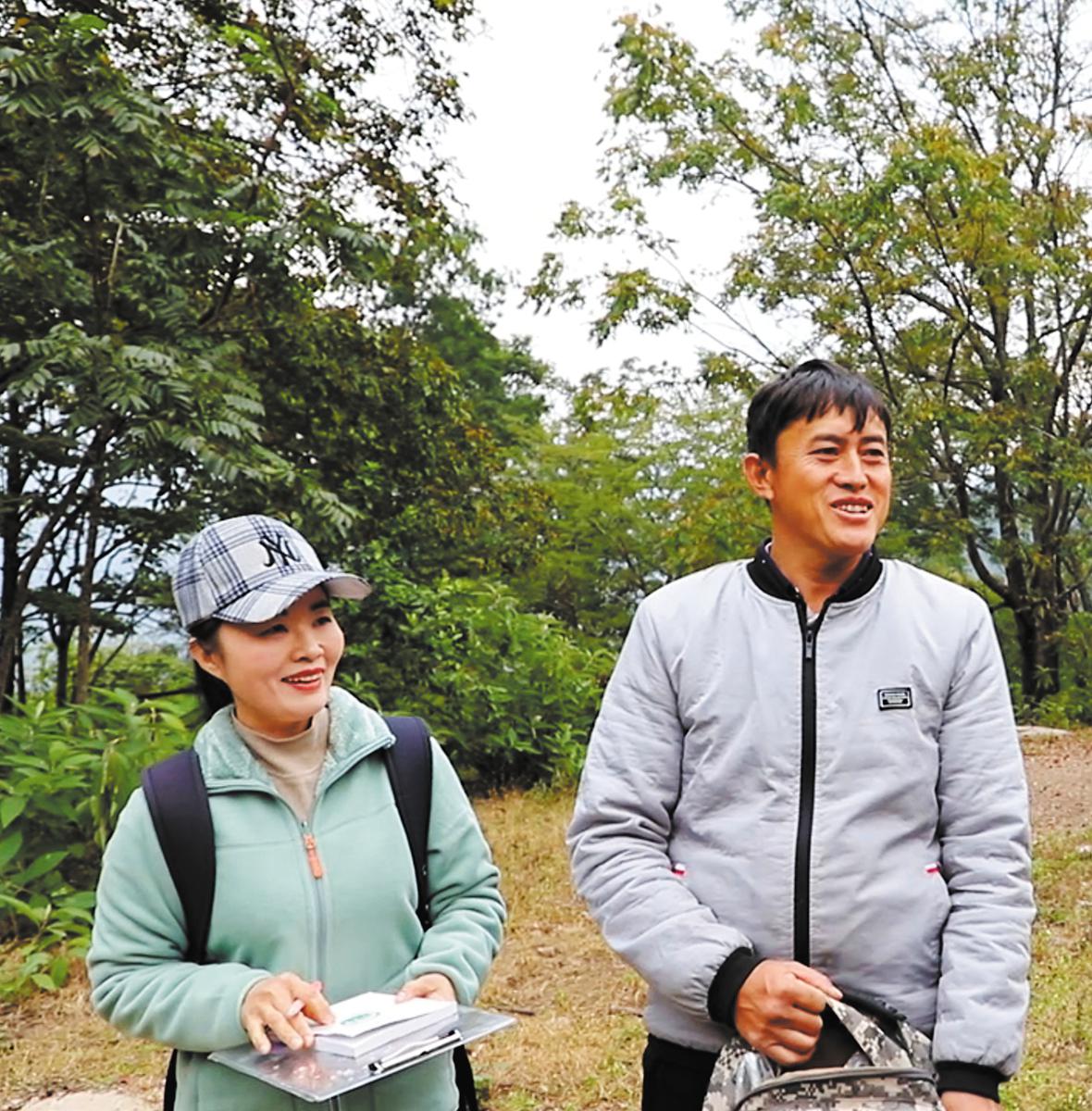
Deep in the Dinosaur River Natural Reserve in Southwest China's Yunnan province, Wang Xiaoyan and her husband Zeng Guofu wait patiently, silently in their hide for a glimpse of the elusive green peafowl.
"Let's be quiet... Listen, this is the sound of the green peafowl," Wang whispers.
A few moments later, Zeng gestures to a clearing in the shrubbery where a male green peafowl emerges displaying its crown feathers and splendid plumage as it pecks at the ground.
The green peafowl, an inspiration for the phoenix in traditional Chinese culture, has been recorded in history for thousands of years as a symbol of auspiciousness, cherished and respected by people.
However, due to increased human activities and changes in the ecosystem, by the end of the last century, the number of green peafowls in China was estimated to be only a few hundred, distributed in Yunnan province.
Thanks to conservation efforts over the past decades, the population of green peafowls has now recovered to over 800.
Wang and her husband work as guardians of the green peafowls in the reserve in Shuangbai county of Chuxiong Yi autonomous prefecture, and are known locally as the "green peafowl couple".
Every day, they shuttle back and forth on mountain roads for tens of kilometers between the reserve office in Shuangbai and the green peafowl activity areas deep in the mountain, tracking the movements of the birds.
"They are very shy. We have to arrive at the mountain before sunrise, hide ourselves in the shed, and wait quietly until they come out for food after spending the night in the forest," Wang said.
The couple provide food to the birds during the winter months, as the food supply can be short. Preventing poaching and assisting in habitat restoration are also part of their work. Wang has been protecting what he calls these "mountain spirits" for more than seven years.
"The green peafowl is our auspicious bird, the elders say it brings us good luck," Wang said.
"When I was young, around two or three years old, I could only hear their calls. As I grew older, I occasionally caught some glimpses in the fields. I remember how they walked with their long tail feathers shimmering, and they captured my heart instantly," she said. "Later, it seemed like the number of peafowls decreased significantly, and they were not seen as often."
Researcher Yang Xiaojun from the Kunming Institute of Zoology of the Chinese Academy of Sciences said that in the late 1980s and early 1990s, economic activities such as hunting, mining and agriculture led to the destruction of green peafowl habitats. At that time, people lacked awareness of the importance of protecting the species, resulting in a sharp decline in the green peafowl population.
In 2018, the nature reserve began to recruit patrollers, and Wang volunteered.
Over the years, she has promoted ecological conservation among locals and encouraged them to participate in the protection of green peafowls and other wildlife.
"Patrolling isn't easy. There are pythons, wild boars and other big animals in the mountain, and even macaques throwing stones sometimes. It's still dark when we enter the mountains in the early morning," she said.
"At first, my family and villagers thought I wouldn't last long in the job, but here I am, seven to eight years later. Initially, I was afraid of walking the dark mountain roads, but hearing the bird calls and knowing that the green peafowls were there with other creatures settled my heart. Over time, I got used to it," Wang said.
Her husband Zeng, a former miner, joined the team in 2021 as infrared cameras were being installed to expand the monitoring of green peafowls.
Shuangbai county used to have many silver and mineral mines, but most have since shut down.
"We record what we see on our patrols, and also the data collected from the infrared cameras, which both help researchers and experts better understand this precious creature. It's important to understand the survival status of green peafowls and to protect their habitats," Zeng said.
"In recent years, during our regular patrols and monitoring, the sightings of green peafowls have increased. Last year, I saw 18 green peafowls in a single outing," he said.
Over the years, Wang and her husband have become experts on green peafowls. She said that green peafowls typically inhabit areas at elevations of 800 to 1,200 meters. They usually mate in February, lay eggs in mid-March, and by late April, the baby peafowls hatch.
"The chicks resemble adult peafowls in six to seven months, and by two to three years old, they are fully grown, displaying beautiful tail feathers," Zeng said.
According to statistics from the reserve, there are currently 30 green peafowl patrol officers and over 400 infrared monitors. They have built dozens of wildlife drinking spots and feeding stations in areas where the green peafowls are frequently seen, and even do sand baths.
"Green peafowls have long feathers, so they don't bathe in water but in sand. That's why sand baths are important for their feather health," Wang said.
"They enjoy eating sorghum, wheat, corn and peas, and the food we provide undergoes strict safety checks. We have also planted sorghum and similar foods around specifically for them, without pesticides or fertilizers, ensuring their food safety," she added.
The reserve has allocated a piece of farmland specifically for green peafowls. Farmers take care of the fields but don't harvest them, welcoming the peafowls to feast.
"We hope they never go hungry and can grow strong," said Wang.
The reserve's director, Wang Sineng, said that the variety of wildlife seen in the reserve is becoming increasingly diverse, with infrared cameras frequently capturing images of green peafowls with rare companions in the same frame.
"Our monitoring results show that as of last year, we had approximately 430 green peafowls here in Shuangbai, compared to only 56 in 2015," said Wang Sineng.
Shi Yudie contributed to this story.
Contact the writers at yandongjie@chinadaily.com.cn


- Macao establishes 4 state key laboratories: national political adviser
- Metronome and navigator: How China's five-year plans steer unprecedented modernization
- China's new five-year plan charts world's largest modernization by population
- China's top political adviser visits press representatives
- China Coast Guard vessel Sandu conducts patrols in South China Sea
- Tree planting activities held across China





