National adviser calls for enhanced air quality, carbon reduction monitoring









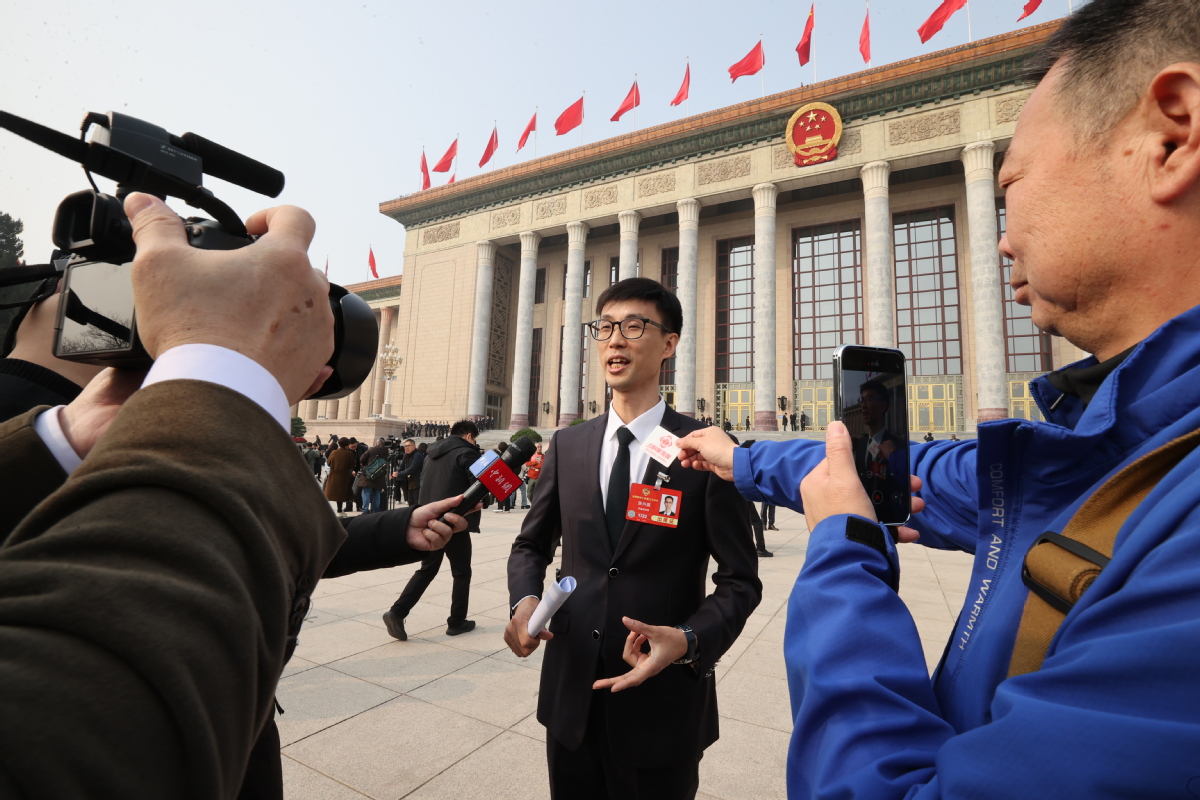
To further enhance monitoring capabilities, Zhang proposed an integrated approach to expanding monitoring infrastructure, including upgrading existing networks with high-precision greenhouse gas monitoring functions, strengthening satellite observations and implementing localized ground validation systems.
He also called for the improvement of monitoring and evaluation capacities in key regions, ecological barriers, heavily polluted areas and coastal zones. Furthermore, he added that pilot programs for enterprise-level carbon emissions monitoring should be expanded using fixed-source online monitoring and low-altitude verification technologies.
Scientific, multi-dimensional assessments involving fields such as natural resources and energy are needed to improve efficiency and accuracy, Zhang said.
In addition, comprehensive assessments should be conducted to analyze the interplay between air pollution and climate change, industrial transformation and emission reduction pathways.
Legislative support is also essential, Zhang emphasized, advocating for the integration of monitoring and evaluation into legal frameworks.
Strengthening interdisciplinary research and cultivating a specialized workforce in pollution and carbon reduction monitoring would further reinforce governance capabilities, he added.






- 10 dead and 84 injured in explosion at steel plant
- China unveils flexible urban planning rules to improve lives, foster new industries
- Ex–China Construction Bank executive gets 18 years for bribery, loan violations
- First batch of eco-friendly pioneer zones for construction of beautiful countryside unveiled
- Woodpeckers, finches captured in Jilin winter scenes
- Mainland reiterates 1992 Consensus as foundation for resuming cross-Strait dialogue