



Turning flower-viewing into a growth driver









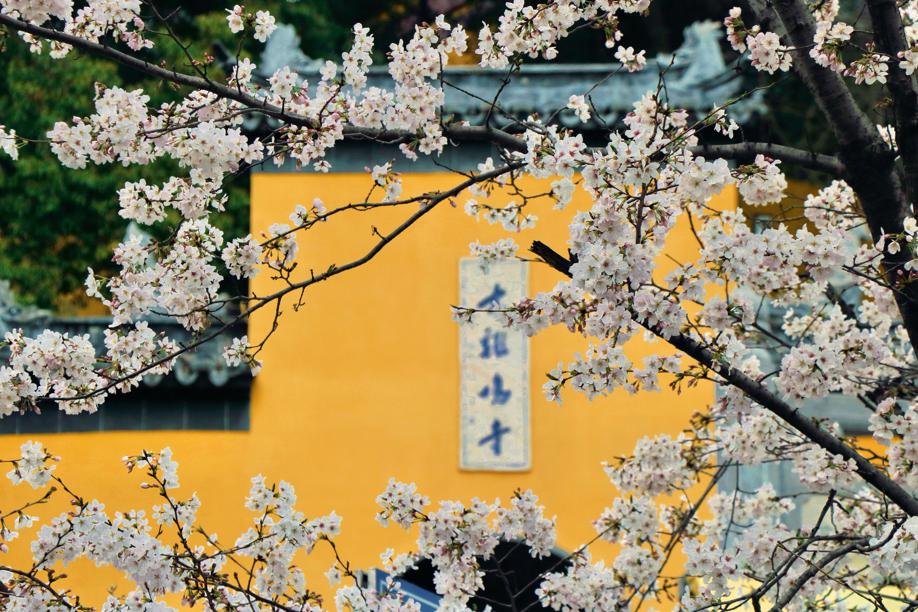
Spring is the season when nature celebrates itself, and so do businesses. Millions of people travel across the country to partake of the gifts of spring, from cherry blossom to rapeseed blossom, and from apricot blossom to peach blossom. Recent years have seen the emergence of some new business models such as drone photography, hanfu rentals and flower field camping.
Government directives are encouraging a move away from isolated events toward a model where the simple act of flower-viewing evolves into an immersive experience. This new approach invites cities to reimagine traditional seasonal celebrations as dynamic, interconnected platforms for urban-rural development. Through policies aimed at merging cultural tourism with different industries, the authorities are not only celebrating nature's beauty but also developing innovative, sustainable economic ecosystems.
Across China, a vivid reimagining of urban space is underway. In Wuhan, Hubei province, for instance, the cherry blossom season has become a metaphor for transformation. At Wuhan's Qingchuan Pavilion, cherry blossoms and red brick walls create a stunning landscape, while in Optics Valley, 3D projections bring cherry blossoms to life amid skyscrapers. The city uses flowers to attract investments of more than 100 billion yuan ($14 billion) during the cherry blossom season. Wuhan has integrated cutting-edge technology into traditional cherry blossom-viewing, creating the first "perceptible tech-cherry blossom narrative chain" in China.
In another striking example, rural communities in Xiangxi, Hunan province, have embraced the "one city, one flower" model. In the province's Chenjiapo nature village, which has fewer than 100 residents, spring flowers attract more than 3,000 tourists a day. Local residents have developed an augmented reality flower-viewing app, generating over 1 million yuan in online pre-sales. And the Pear Blossom Valley in Huayuan county of Hunan has fostered a year-round industry, generating nearly 10 million yuan a year, while Longshan's lily industry, which offers products such as face masks and flower tea, contributes about 3 billion yuan a year to the agriculture sector.
Besides, former industrial zones are experiencing their own revitalization. Once a barren mining area, Wuning in Jiangxi province is now home to cherry trees across 600 acres which blossom in spring and provide employment for 50 farmers. Thanks to the "flower industry", Wuning's eco-tourism revenue surpassed 10 billion yuan in 2023.
Global examples offer compelling insights into how nature's beauty can be turned into cultural assets. Japan's iconic "Somei Yoshino" cherry blossoms, with their unique "flowers-without-leaves" beauty, embody the nation's mono no aware (the pathos of things) aesthetics. The Japanese government has factored in the cherry blossom season into its economy policy, not least because cherry blossom is Japan's national flower. With precise flowering forecasts and themed activities, cherry blossom-viewing in Japan has become an international event. In 2024, Japan attracted 3.73 million foreign visitors during the cherry blossom season, generating 1.14 trillion yen ($8 billion) in revenue. Japan's success in transforming cultural tourism into a global phenomenon offers valuable lessons for other countries.
The Netherlands presents another fascinating example. Tulips, a symbol of the Netherlands since the 17th century "Tulip Mania", remain a major cultural and economic force, with the country controlling over 90 percent of the global tulip bulb trade. Keukenhof Park, the heart of this industry, offers a stunning view of about 7 million flowers and generates huge revenue. By integrating agriculture, tourism and finance, the park offers a unique "spring experience" that has become a model for economic success.
A simple field of flowers becomes far more compelling when infused with history, folklore and local traditions. Imagine a cherry blossom park where visitors can listen to ancient love stories, or a tulip festival where digital installations narrate the flower's journey from a 17th century craze to a global symbol of beauty. By bringing together historians, artists and cultural activists, cities can turn their flower landscapes into living stories that captivate visitors.
Technology has the potential to extend the blossom season. For example, livestreaming can let people across the world see Japan's cherry blossoms or the Netherlands' tulip fields in real time.
Flowers aren't just for admiring; they're also commercial products. Smart farming and the internet of things-powered irrigation can boost per-acre flower yield, while flower-based products — perfumes, cosmetics, teas — can create new revenue streams, and themed offerings, such as flower-infused dining and wellness retreats, can elevate tourists' experiences.
A strong brand can potentially transform the local flower industry into a global phenomenon, and signature mascots, immersive festivals and even a catchy song can make a destination globally recognizable, while international certification, strategic partnerships, and marketing campaigns can ensure the brand remains relevant in the long run.
When culture breathes life into landscapes, technology breaks seasonal boundaries, industries work in harmony, and branding brings global recognition, flowers become more than a passing delight; they become a driver of development. In this new era, every city can take measures to ensure nature's beauty doesn't bloom to fade in a short while but to become a permanent part of our lives.
The author is the dean of the College of Tourism and Service Management at Nankai University. The views don't necessarily reflect those of China Daily.
If you have a specific expertise, or would like to share your thought about our stories, then send us your writings at opinion@chinadaily.com.cn, and comment@chinadaily.com.cn.





