Experts: Tariffs threaten US, Canadian farmers










Canadian and American agricultural experts say US tariffs could drive up food prices, disrupt cross-border supply chains and inflict lasting damage on both countries' farming sectors.
"The damage US tariffs will do in both economies is significant," said Ellen Goddard, professor emerita of agricultural economics at the University of Alberta.
Goddard, who previously served as president of the Canadian Agricultural Economics Society, said the agricultural supply chains between the two countries are highly integrated through a system built under free trade agreements dating back to 1988.
"These tariffs will interfere with that," she told China Daily.
Goddard said that one immediate concern is rising costs on both sides of the border.
"In Canada, the cost of farm machinery we import from the US will increase when reciprocal tariffs are imposed," she said. "This will reduce revenue on farms."
She said that US farmers will face higher input costs. "Farmers will pay higher prices for fertilizers — particularly potash. Canada is the biggest exporter of potash in the world."
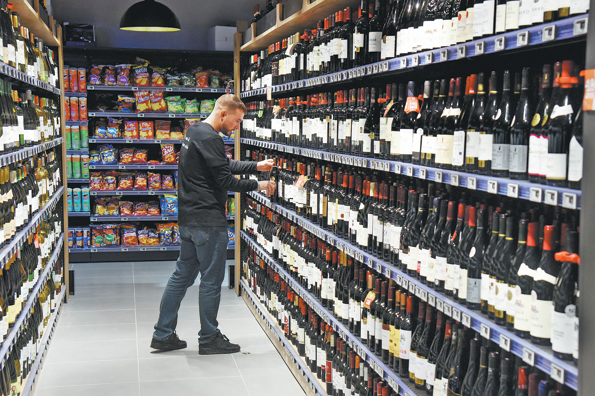
Goddard said that if Canada imposes reciprocal tariffs, food prices in both countries are likely to increase, with consumers seeing the effect by the fall.
The broader concern, she said, is the disruption of deeply intertwined supply chains. "Canada exports feeder cattle and feeder pigs to the US, and sometimes those animals are finished there, and the meat is exported back to Canada," she said.
With tariffs in place, this two-way movement of goods could be jeopardized.
"Yes, in both directions," she replied when asked whether access to American seeds, fertilizers or machinery could be disrupted.
She said the uncertainty has already prompted farmers to make adjustments. "Farmers already this year are responding by changing what they produce — less canola, more wheat for example.
Goddard said it could be an opportunity for Canadian agriculture to innovate.
"For example, developing approaches to farming that use fewer inputs from the US, and it will require the government to make strategic longer-term investments in Canadian agriculture," she said.
But she said there is no easy fix.
"The government has already proposed some additional support through business risk-management programs," she said, adding that Canada's focus should be on diversifying trade.
"Canada has many trade agreements with other countries that will need to be the focus for finding more export markets and diversifying exports away from the US," she said.
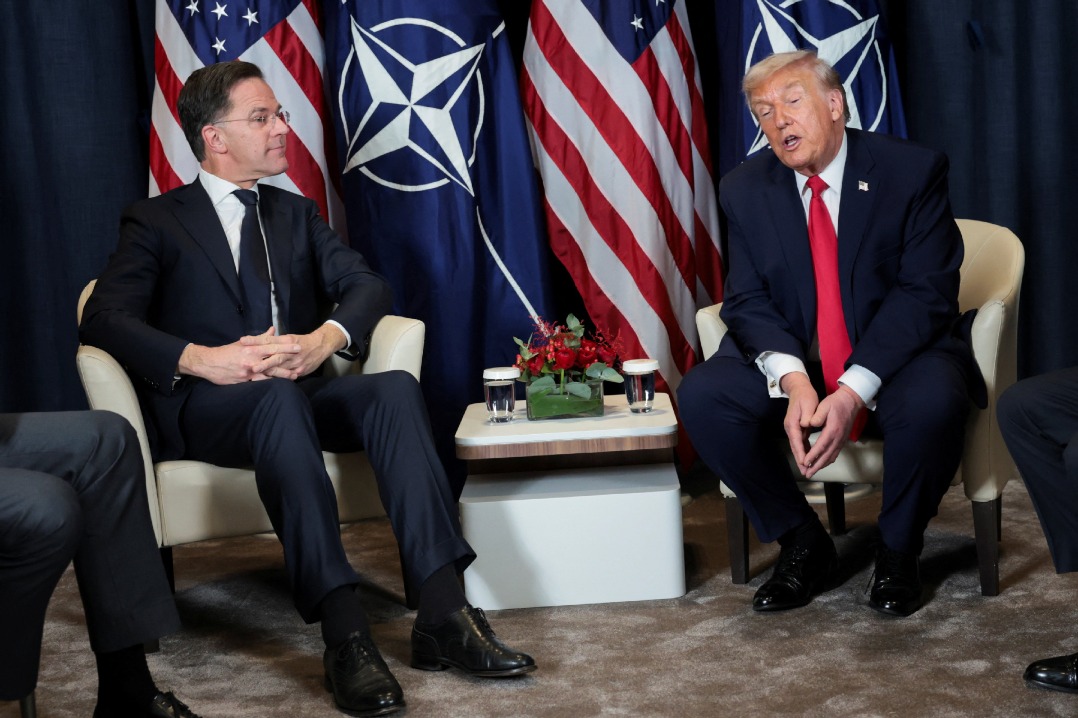
Erick Duchesne, a political science professor at Université Laval, said, "The US tariff measures, often deployed unilaterally and with minimal WTO coordination, undermine legal predictability and commercial planning."
He said that using trade for political purposes "poses serious risks to the future of trade governance", adding that "if left unchecked, this trend could hasten a breakdown of the international trading system".
The broader tariff risk, he said, is the erosion of confidence in Canadian agriculture.
"Farms delay upgrading machinery, agritechs put off research and development, and financial institutions become more cautious about lending to the sector," Duchesne said.
"Farmers in the US are being squeezed by markets, politics and their own government's domestic decisions," he said, citing US President Donald Trump's water-diversion policies in California and labor shortages in agriculture.
"We need trade solutions that reinforce — not fracture — the foundations of food accessibility and affordability in North America," he said. "Otherwise, the real cost will be borne not in negotiating rooms, but at the dinner tables of ordinary Canadians and Americans alike."
A US agricultural economist said tariffs would hurt American farmers, undercut long-standing export relationships and stifle innovation in the country's agricultural sector.
"Overall, US farmers will lose from tariffs because exports are important to US agriculture, and trading partners will retaliate to these nonsensical tariffs," Colin Carter, a professor of agricultural and resource economics at the University of California, Davis, told China Daily.
Carter pointed to the Trump administration's 2018-2019 trade war as a cautionary tale. "US farmers lost an estimated $26 billion," he said, adding that some sectors like beef might benefit from protectionism.
He said that higher tariffs would have consequences. In the short term, consumers would face higher prices; in the long term, "trade destruction and trade diversion" could permanently alter global supply chains.
"Some established trade relationships are being irreparably harmed," he said.
"In the case of tree nuts such as almonds, pistachios and walnuts, the US also lost market share in China, which they have not gained back."
He said China has turned to Brazil and Argentina for soybean imports.
Domestically, Carter said that the impact on US food prices will hit vulnerable populations the hardest.
"Food prices are already moving higher, and the higher prices will have a disproportionate negative impact on low-income households.
gaoyang@chinadailyusa.com