Small cities in focus for fresh fruit giants
Global brands bet on rising health awareness, growing disposable incomes, and evolving retail ecosystems to drive growth










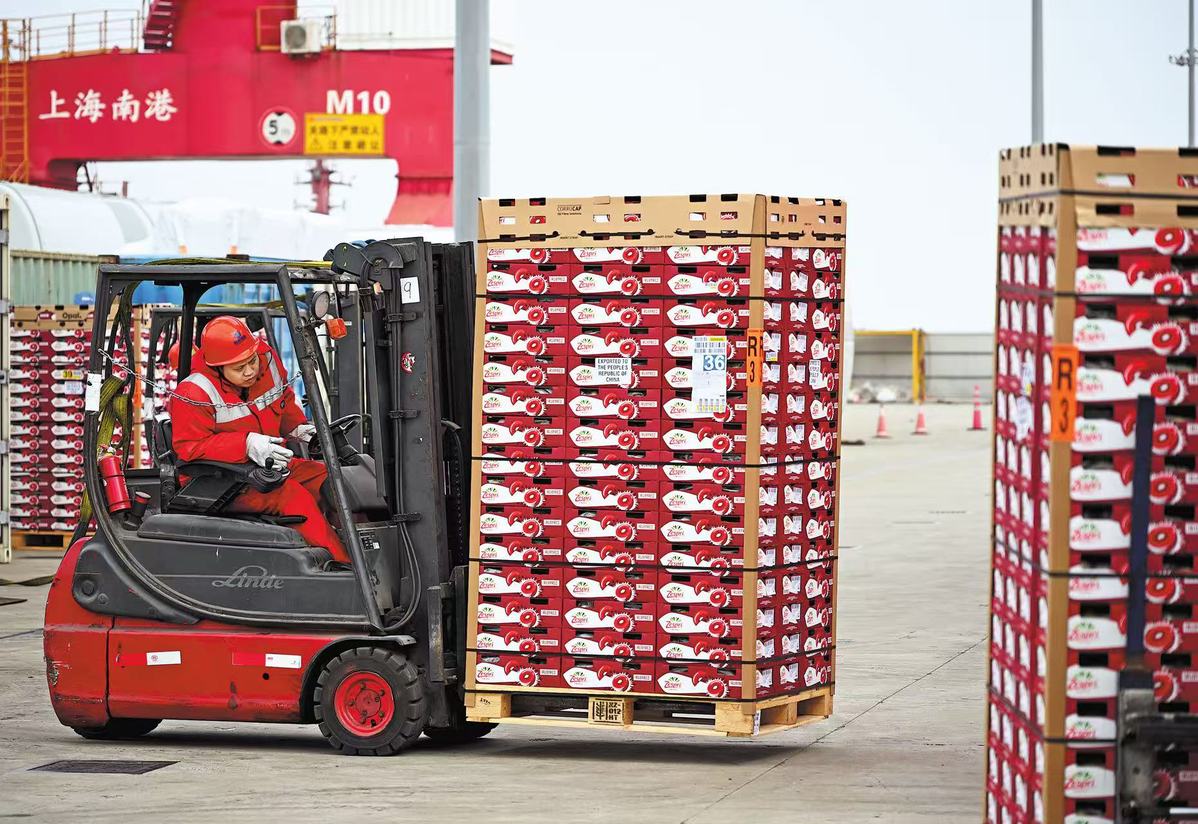
As international fresh fruit giants Zespri and Driscoll's deepen their roots in China, both companies are shifting their growth strategies toward lower-tier cities, betting on rising health awareness, growing disposable incomes and evolving retail ecosystems to drive growth.
To strengthen its presence, Driscoll's is partnering with popular streaming shows. The company has collaborated with the iQiyi reality series Let's Farm, which follows 10 young participants each season as they operate a real farm, sell products via livestreaming and interact with consumers.
"The show's audience is mainly young people aged 18 to 25 in smaller cities, making it a perfect platform for us to build brand familiarity and trial," said Henry Yoon, marketing director of Driscoll's China.
Driscoll's has seen even more pronounced growth in these markets. "In the past two years, our sales growth rate in lower-tier cities has outpaced that of first-tier cities," said Yoon.
"People in top cities like Shanghai or Beijing face more pressure and are more price-sensitive. But in second and third-tier cities, malls and premium retailers like Hema are bustling. That's where we're placing our strategic bets."
"Cities below the second-tier level, starting from third-tier cities, represent a vital frontier for our mid to high-end positioning," said Leo Li, e-commerce manager of Zespri, a New Zealand-based kiwi fruit brand.
"The rise of livestreaming and the relatively untapped purchasing power in these cities are driving our decision to go deeper."
Zespri's approach to market expansion is captured in its internal "widen and deepen" strategy, which focuses on increasing outlet numbers within existing cities while entering new urban centers.
"If a city used to have 100 retail points for our kiwi fruit, we aim to increase that to 150 or more," Li said. "Though we imported 1.4 billion kiwi fruits into China last year — one for every citizen — the actual household penetration rate is still far lower. That's why penetration market remains a key growth driver for us."
To ensure consistent quality and availability, Zespri has built a robust distribution and e-commerce ecosystem. It operates across 72 cities and 55,000 stores in China and plans to expand its supply to over 60 million standard boxes by 2028.
The company is also collaborating with platforms like Tmall, JD, Douyin, Meituan and more to reach consumers through both traditional and interest-based e-commerce channels.
"China's breadth and depth are extremely attractive. Even in mature markets like Shanghai, where our household penetration is about 45 percent, there's still room to grow," Li said. Other cities like Beijing, Guangzhou and Shenzhen of Guangdong province, hover around 30 percent, while Chengdu of Sichuan province and Chongqing stand at roughly 15 percent.
Product innovation
In the post-pandemic era, both brands are refining their health and nutrition messaging to reflect evolving consumer priorities.
Zespri is emphasizing its fruit's high nutrient density, rich vitamin C, and low glycemic index. The brand is also doubling down on newer offerings like red kiwi fruit, rich in anthocyanins and folic acid, and designed to appeal to female consumers with specific nutritional needs.
"Consumers are looking for more than just freshness — they want products that improve their overall diet," said Li. "We want Zespri to be seen not just as a fruit brand, but as a nutritional solution."
Similarly, Driscoll's is focused on expanding the market for raspberries, blackberries and strawberries, in addition to its well-established blueberries.
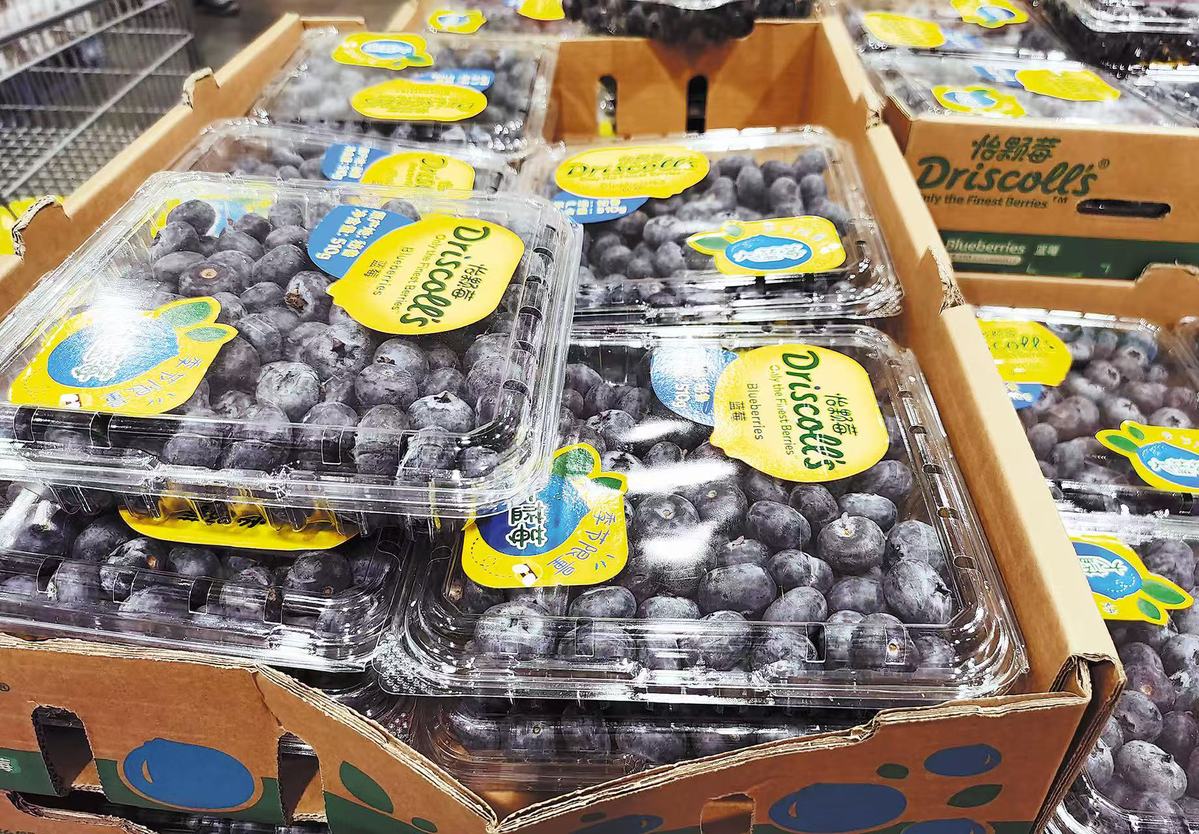
"Many Chinese consumers still associate Driscoll's solely with blueberries, but we are a multicategory brand," said Yoon. "For example, there's a 90 percent chance that if you've eaten a raspberry or blackberry in China, it was from us."
The brand is addressing two barriers in smaller cities: unfamiliarity with certain berry types and lack of retail availability.
"In many places, people either haven't tried these fruits or don't know where to buy them," Yoon said. "We aim to change that through targeted education and activation."
To break into new markets and increase product adoption, Driscoll's is leveraging co-branding and lifestyle-driven marketing strategies.
"In supermarkets, consumers may not proactively buy unfamiliar fruits," Yoon said. "That's why we've partnered with lifestyle brands like Blueglass to create new consumption contexts and recipes for products like raspberries and blackberries."
These collaborations are designed to introduce fruit consumption in everyday settings — from breakfast bowls and yogurt parfaits to smoothie blends — especially in regions where fruit consumption tends to be more traditional or seasonal, said the company.
Both brands highlight the role of China's improving agricultural logistics and supply chain infrastructure in enabling access to the broader market.
"Blueberries, for instance, are a delicate fruit with short shelf life and strict cold chain requirements," said Yoon. "A decade ago, these were only available in first-tier cities. Now, thanks to better logistics and consumer education, even smaller towns have access to fresh blueberries."
Driscoll's also found that the role it has played is helping domestic blueberry growers develop and expand the market.
"We've not only educated consumers, but also supported supply chain development and varietal cultivation," said Yoon.
The total blueberry output in China — the world's largest blueberry producer — reached about 780,000 metric tons in 2024, a 197 percent increase from 2020, driven by improved planting technology and rising market demand from Chinese consumers, said Wu Lin, chairman of the small fruit branch of the Chinese Society for Horticultural Science. Wu said that in 2024, China's blueberry cultivation area expanded to 1.44 million mu (95,381 hectares), up 44.38 percent from 2020.
Zespri echoed the importance of partnerships in scaling. "Our eight-year collaboration with Benlai has allowed us to serve an increasing number of corporate clients," said Li. "These partnerships are key to our strategy of turning premium fresh produce into standardized offerings fit for modern retail."
Local models
Benlai Group, one of Zespri's key channel partners, underscores the strategic alignment between global brands and China's evolving fresh produce market.
"Chinese consumers now assess value based on whether a product supports health and offers enhanced nutritional value," said Zhang Yujing, general manager of Benlai's marketing center. "That's a fundamental shift from just looking at price or freshness."
Since its founding in 2012, Benlai has prioritized direct sourcing and origin-based supply, working closely with brand owners to bring transparency and quality assurance to consumers. Zhang believes global fresh food brands can serve as role models for China's still-developing agricultural branding landscape.
"There's still a long journey ahead for branding in China's agricultural sector," Zhang said. "The focus now is on improving standardization, leveraging smart agriculture and better understanding consumer needs across the value chain."
Both Driscoll's and Zespri are confident of their long-term prospects in China.
Zespri aims to double its standard box sales volume in China by 2029, compared to 2024 levels. Meanwhile, Driscoll's plans to continue expanding berry category awareness and introducing improved fruit varieties tailored to Chinese tastes.
"China remains one of our most important growth markets," said Yoon. "The speed of change here is unlike anywhere else. From infrastructure to digital platforms, everything is evolving — and we're evolving with it."
The road to growth in China's fresh fruit market lies not only in offering premium products, but also in building cultural resonance, local partnerships and trust with health-conscious consumers at every level of the market, said Zhang of Benlai.
wangzhuoqiong@chinadaily.com.cn