



SE Asian exporters eye other markets









Indonesian coffee trader Angga Teniro does not worry too much about the steep tariffs imposed by the United States. He said traders and planters in the coffee-growing province of Aceh remain confident that business will remain brisk thanks to importers in Singapore, the Republic of Korea, and the Middle East.
Although Indonesia is one of the world's biggest coffee exporters and the US is among its top markets, "we have other markets," Teniro said from his farm in Aceh. Located at the northernmost tip of the island of Sumatra, Aceh's volcanic soil and high-altitude climate are ideal for coffee cultivation, producing the renowned Gayo Arabica beans used by the specialty coffee industry.
Indonesia is facing a 32 percent tariff after the US imposed "reciprocal tariffs" against all its trading partners on April 2. One week later, Washington announced a 90-day pause on the tariff hikes, prompting several countries, including Indonesia, to hold bilateral negotiations with the US.
Despite the uncertainty, Ichwan Nursidik, executive secretary of the East Java branch of the Indonesia Coffee Exporters Association, or GAEKI, said its members are not losing hope, adding that if the US continues to raise tariffs, "then we will try to find new markets".
Nursidik cited Egypt, which is importing small volumes of Indonesian coffee, and the North African country can be a new target market for Indonesian coffee producers. Apart from a more diverse export market, Nursidik said the coffee industry can also rely on domestic consumption.
The Indonesian coffee industry's response reflects how Southeast Asia agriculture exporters are facing tariff hikes. While members of the Association of Southeast Asian Nations continue to negotiate with the US, they also protect their respective industries through market diversification and improving their export competitiveness.
Malaysian Prime Minister Anwar Ibrahim has pledged a 1 billion ringgit ($235 million) financial lifeline to the small and medium-sized enterprises that may be hurt by the US tariffs.
Vietnam's Institute of Strategy and Policy on Natural Resources and Environment has recommended several measures, such as reducing import taxes on essential input materials and deferring payments of value-added tax for households involved in agricultural, forestry, and fishery industries to support sectors that may be most affected by the high tariffs.
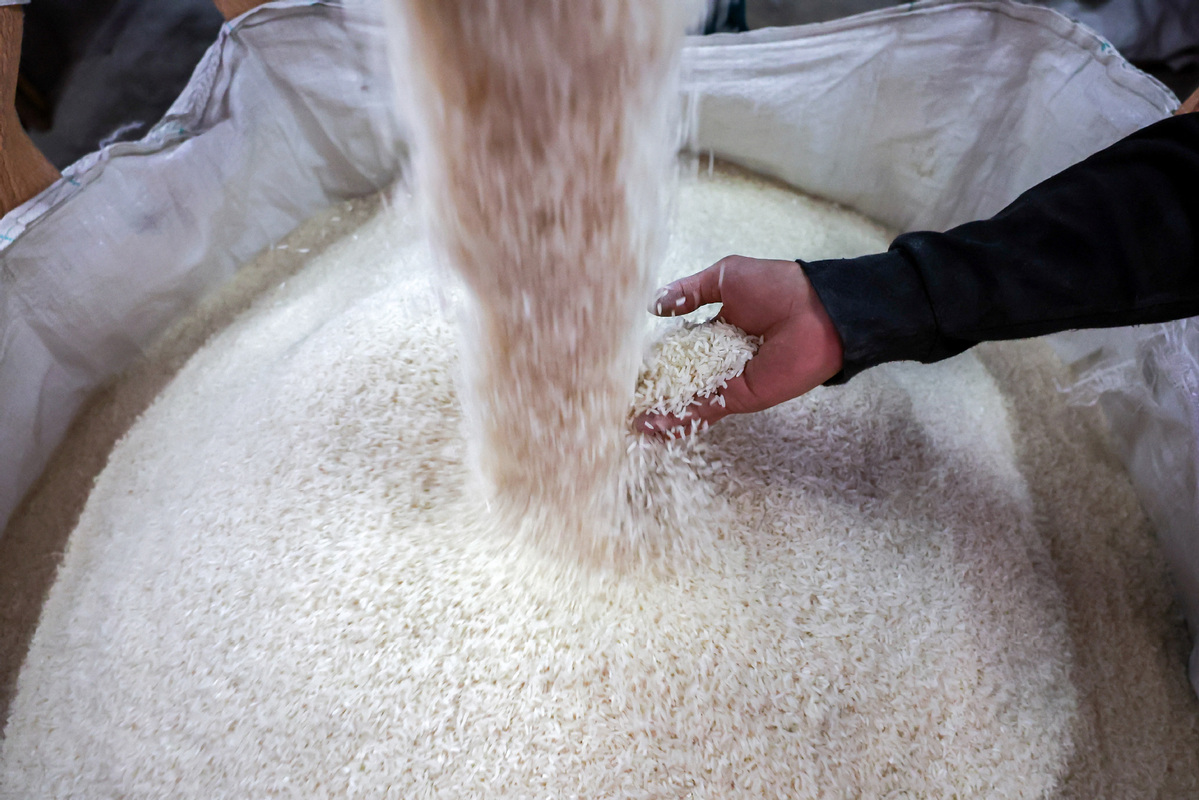
The Thai Commerce Ministry is hosting a global rice summit from May 25 to 27 that will promote Thai rice exports and aims to secure over 2 billion baht ($61 million) in purchase orders.
Nouri Chatillon and Bernard Aw, economists at France-based credit insurer Coface, told China Daily that the announced US tariffs have the potential to disrupt food trade and domestic production in the region.
But Chatillon and Aw said some countries are more resilient than others. Vietnam, which was slapped with a 46 percent tariff, is considered the "most vulnerable" given the relatively high scale of future tariff increases and its dependence on the US market. Malaysia, meanwhile, is seen to be less likely to be affected, due to its lower tariff increase and a more diversified export market.
Khor Yu Leng, director of Singapore-based consultancy Segi Enam Advisors, wrote in PalmTrack, a subscriber-only palm products trade publication, that the US tariffs are of great concern in ASEAN countries as exporters have a similar range of agricultural products, including rice, palm oil, and fruits. She said Vietnam and Thailand seem more vulnerable, with relatively higher US tariffs and heavier dependence on niche markets and products, including jasmine rice.
Ellis Ng in Singapore contributed to this story. Leonardus Jegho is a freelance journalist for China Daily.










