China, EU and ASEAN should 'deepen' trade ties









In the face of persistent trade tensions with the United States, China and other economies should deepen regional economic cooperation and defend the multilateral trade system, said a senior trade expert.
Zhao Zhongxiu, president of the University of International Business and Economics in Beijing, said in an exclusive interview with China Daily that Washington's current economic policies, featuring sweeping tariff hikes, represent a unilateral attempt to rewrite global trade rules to its own advantage.
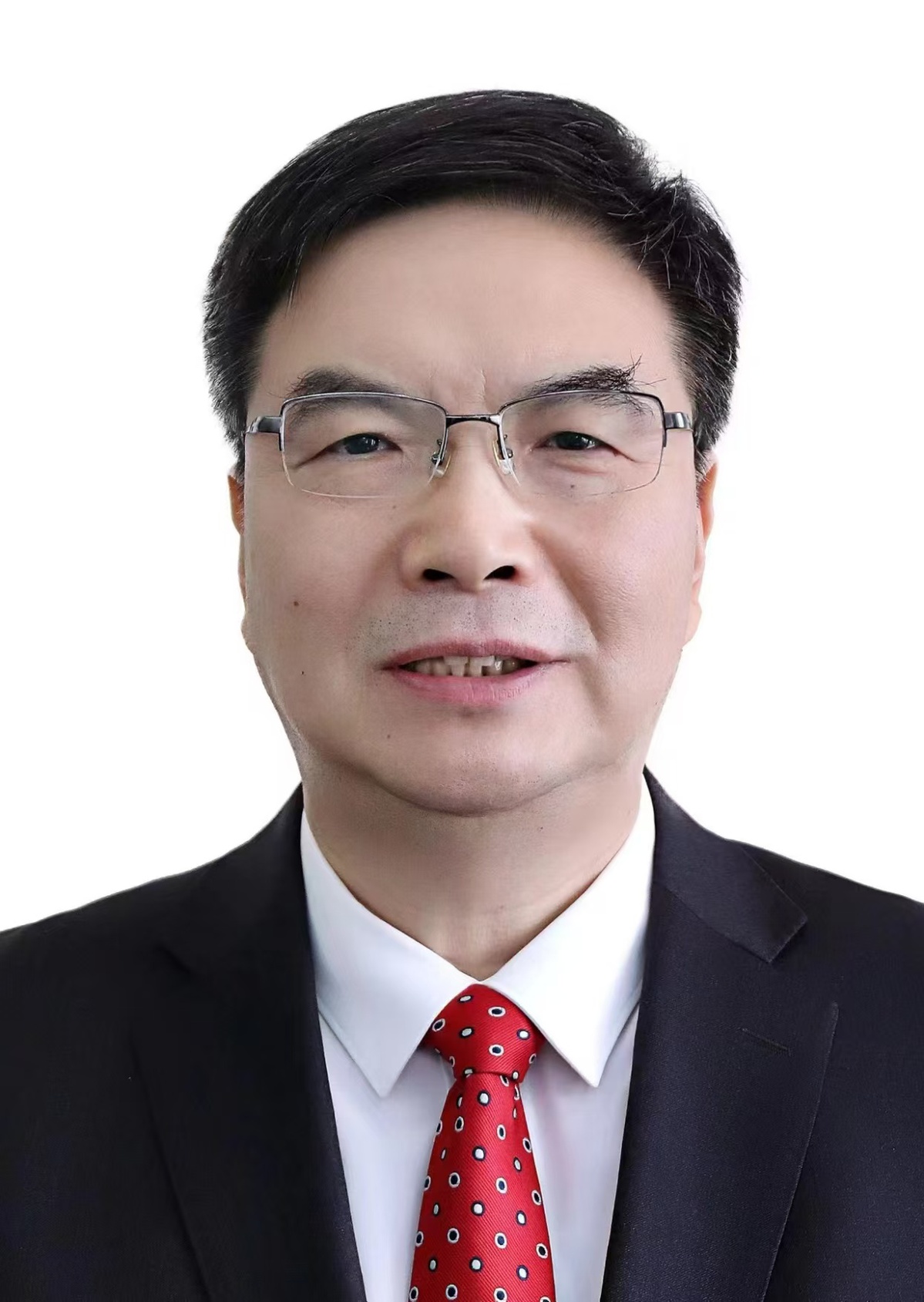
"These developments have made it more urgent for major economies — such as the European Union, the Association of Southeast Asian Nations and China — to strengthen consensus and deepen cooperation, thereby jointly improving agility and resilience of regional and international supply chains," he said.
"These so-called reciprocal tariffs, even though temporarily paused, have raised the average US tariff rate to nearly 30 percent. That marks a historic regression, undermining the WTO framework that took decades to build," Zhao said.
Citing statistics from international organizations, Zhao showed that global tariff negotiations since 1947 have lowered duties in developed economies to 3 to 5 percent. If unchecked, the US policy reversal may trigger retaliatory cycles, pushing the world into a "jungle economy", jeopardizing 86 percent of global trade that relies on free trade rules.
Since the US announced the so-called liberation-day tariffs package, China's firm stance and calibrated countermeasures have helped bring Washington back to the negotiation table. On May 12, the two countries announced a series of tariff adjustments aimed at easing trade tensions. Still, effective US tariffs on Chinese products remain around 50 percent, far higher than pre-2018 levels, according to Zhao.
"Shared pressure from US tariff measures is pushing China and the EU closer," he emphasized. "Coordination between the two is no longer optional — it's imperative.
"This is a critical window of opportunity for the two sides to deepen cooperation and strengthen economic ties," Zhao said. "By leveraging shared interests, the two sides can push back protectionist disruptions and reinforce the multilateral trade system."
The UIBE president suggested that China-EU collaboration could start with "small yet practical initiatives", and gradually elevate strategic dialogue to higher levels to advance broader partnership.
For instance, China's commitment to green development resonates with the EU's decarbonization efforts, creating opportunity to jointly transform the EU's Carbon Border Adjustment Mechanism (CBAM) — currently a unilateral carbon pricing instrument — into a multilateral framework consistent with WTO rules and global climate responses.
As for digital economy, China and the EU share common priorities — including digital trade facilitation, standards development and consumer protections. Deeper collaboration on emerging issues such as aligning standards in 6G networks could position China and the EU as key pillars stabilizing the multilateral digital trade system in the future, in contrast to the US' "lackluster engagement" in multilateral e-commerce initiatives.
"Consensus on rules regarding green or digital economy isn't just about economic gains — it's about defending a fair and rules-based multilateral system," he said, adding that resolving lingering disputes, such as the EU's tariffs on Chinese electric vehicles, is also essential for building mutual trust.
The expert also emphasized that China and ASEAN are strengthening industrial chain integration under the Regional Comprehensive Economic Partnership, particularly by leveraging rules of origin to reshape regional supply chains.
"ASEAN can serve as a 'stabilizer' for China's economic growth amid US tariff pressures," he said. "By relocating production to ASEAN-based industrial parks, Chinese companies can supply to both local and international markets, with or without access to the US market.
"For ASEAN, investments from Chinese companies support local industrialization, job creation, and tax revenues," he said. "It's win-win — as long as China is avoiding domestic industrial hollowing-out."
Zhao also noted that China's ability to respond to US unilateralism and hegemony stems from its supply chain resilience, and its capacity to withstand inventory adjustment cycles. He added that China seeks a full removal of unjustified US tariffs linked to the so-called fentanyl issue.
Meanwhile, domestic pressures in the US — ranging from public discontent over supply shortages, rising costs, to broader supply chain disruptions — have pushed US negotiators to adopt a more pragmatic stance, he said.
"Despite the current tariff truce, the US could reinstate suspended tariffs or attach new conditions. Moreover, Washington's habitual use of the so-called 'art of the deal' risks derailing progress with unreasonable and excessive demands," he said, adding that the future of China-US tariff disputes remains highly uncertain.
"Ultimately, it is a matter of endurance," he said. "China has prioritized self-reliance in sci-tech innovation and domestic market expansion, and its new growth drivers have begun to yield results. We are making steady progress despite ongoing challenges."
According to the National Bureau of Statistics, China's value-added industrial output grew by 6.1 percent on a yearly basis in April.
The manufacturing sector's value-added output increased by 6.6 percent year-on-year, with that of equipment manufacturing and high-tech manufacturing up by 9.8 percent and 10 percent, respectively.
Zhang Rulin contributed to this story.
liuzhihua@chinadaily.com.cn