EU at crossroads: Pawn of US or China partner?









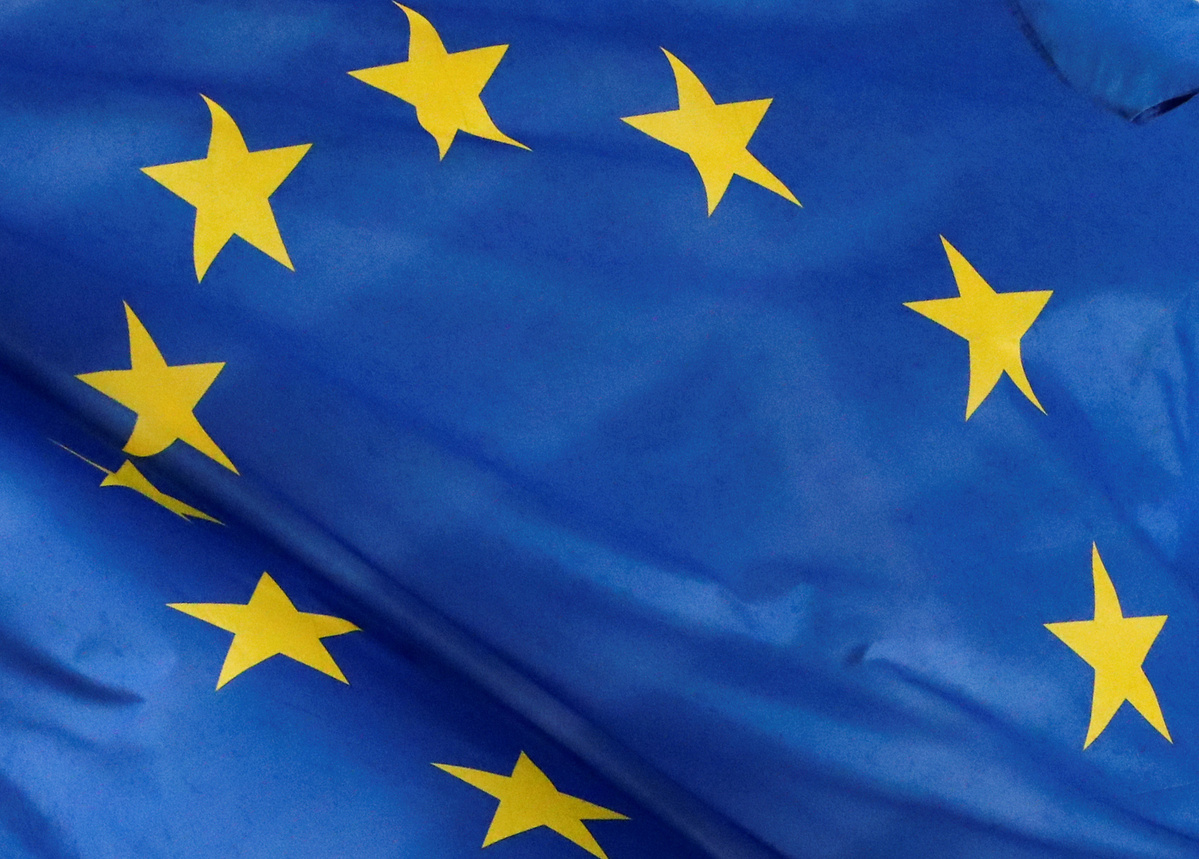
As a multipolar world order continues to solidify, the European Union must realistically assess its current long-standing strategic alliances. It must consider a more pragmatic path if it is to survive as a grouping and emerge as an independent pole that will be able to act in its own interests instead of being shackled to foreign influences that have proven detrimental to its economic, political and cultural sustainability.
While the EU's long-standing transatlantic alliance with the United States has historically provided security and ideological cohesion, the evolving global landscape demands a recalibration as new groupings such as BRICS gain traction and other legacy groupings such as the Association of Southeast Asian Nations and the Gulf Cooperation Council become increasingly influential and move out of the US orbit.
The EU has the potential to be a viable pole in a multipolar world, but this viability depends on several key decisions that the grouping must make to truly unleash its potential.
First, the increasingly fraught transatlantic alliance.
The US-EU relationship, while historically strong, has been showing increasing signs of strain. Whether it's trade disputes, differing approaches to climate policy or conflicting strategies on global diplomacy, Europe often finds itself compelled to align with US interests even when they run counter to its own.
The Ukraine conflict has most starkly highlighted this divergence.
Europe's economic interests — especially energy security and its historically nuanced relationship with Russia — have been sacrificed at the altar of US geopolitical objectives and profiteering.
Sanctions, intended to punish Russia, have boomeranged, leading to inflation, supply shocks and industrial disruption across Europe. Meanwhile, US energy exporters and defense contractors have profited, revealing an asymmetry in how the costs and benefits of this alliance are distributed.
On top of the economic and political shocks in the wake of the Ukraine conflict, attempts by the White House to grab Greenland bring the risks of continued strategic dependency on the US. Such moves are perceived in Europe as unilateral and dismissive of allied consultation, fueling concerns over US disregard for European interests in the Arctic region.
This not only exacerbates existing tensions within the NATO but also contributes to growing European unease about US strategic overreach, potentially accelerating the EU's pursuit of greater geopolitical autonomy. How can the EU sustain a critical position against Russia's actions in Ukraine while bowing to US demands over the sovereign territory of an EU member state?
Second, strategic diversification and alternative alliances.
China, as a rising major power and the EU's key economic partner, offers opportunities for trade diversification, technological collaboration and a more balanced global order — one less constrained by US unilateralism and its often confrontational foreign policy. By engaging more deeply with China, the EU can assert its strategic independence, preserve multilateralism and shape a more equitable international system in which European interests are not subordinated to US priorities.
China offers the EU an opportunity to rebalance its foreign policy and diversify its economic partnerships. As the world's second-largest economy, China is a crucial market for European goods, services and investment. Strengthening economic ties with China can help the EU cushion itself from overdependence on the US and build a more multipolar approach to international relations.
Furthermore, a constructive relationship with China can serve as a gateway to the broader BRICS coalition, allowing the EU to engage with alternative financial institutions like the New Development Bank and explore new trade routes and supply chains. It would also position Europe as a mediator and bridge between Western powers and the Global South, enhancing its diplomatic capital.
Third, keeping principles while seeking common ground.
Seeking closer relations with China does not imply blind alignment or abandonment of core values. At the same time, many in the EU would have noted how the US leans on the grouping and exerts de facto control over its foreign and trade policies — US enemies must be EU enemies as well. We have not seen any such coercion from China against the EU. Instead, the EU must approach its relationship with China with realism and strategic clarity.
The EU and China differ regarding human rights, intellectual property protection and fair trade, and their differences should remain on the table. However, these concerns should be addressed through engagement and consultation, not isolation, and trade and economic interconnectivity must take precedence over "social justice" causes.
The EU can take inspiration from countries that have maintained productive ties with both the West and China such as the ASEAN grouping, leveraging partnerships where interests align while safeguarding national and regional priorities. Strategic autonomy means the ability to make independent decisions, not substituting one dependency for another. Drawing lines over cultural differences, including those of political culture, must not end in drawing an iron curtain between the EU and China or for other poles for that matter.
A golden future or bleak isolation awaits the Europeans.
The EU has a unique opportunity to redefine its global role. By building economic sovereignty, reinvesting in industrial capabilities and recalibrating its foreign partnerships — particularly through deeper engagement with China — the EU can secure a more balanced and resilient future.
Moving beyond the constraints of its current relationship with the US is not a retreat but a strategic evolution toward greater independence, influence and stability on the world stage. Ultimately, aligning more closely with China while reinforcing internal strength will allow the EU to emerge as a true sovereign actor in the 21st century's complex geopolitical landscape.
The author is a senior lecturer at the School of Law and Governance at Taylor's University, Malaysia.