Restrictive policies damage scientific ecosystem









Once a much sought-after destination for the world's brightest minds, the United States is now undergoing an unexpected and unsettling transformation. The lab coats are still white, the campuses still sprawling, but the atmosphere is becoming increasingly frigid. For many scientists, the US is no longer the land of opportunity. It is becoming a land they want to shun.
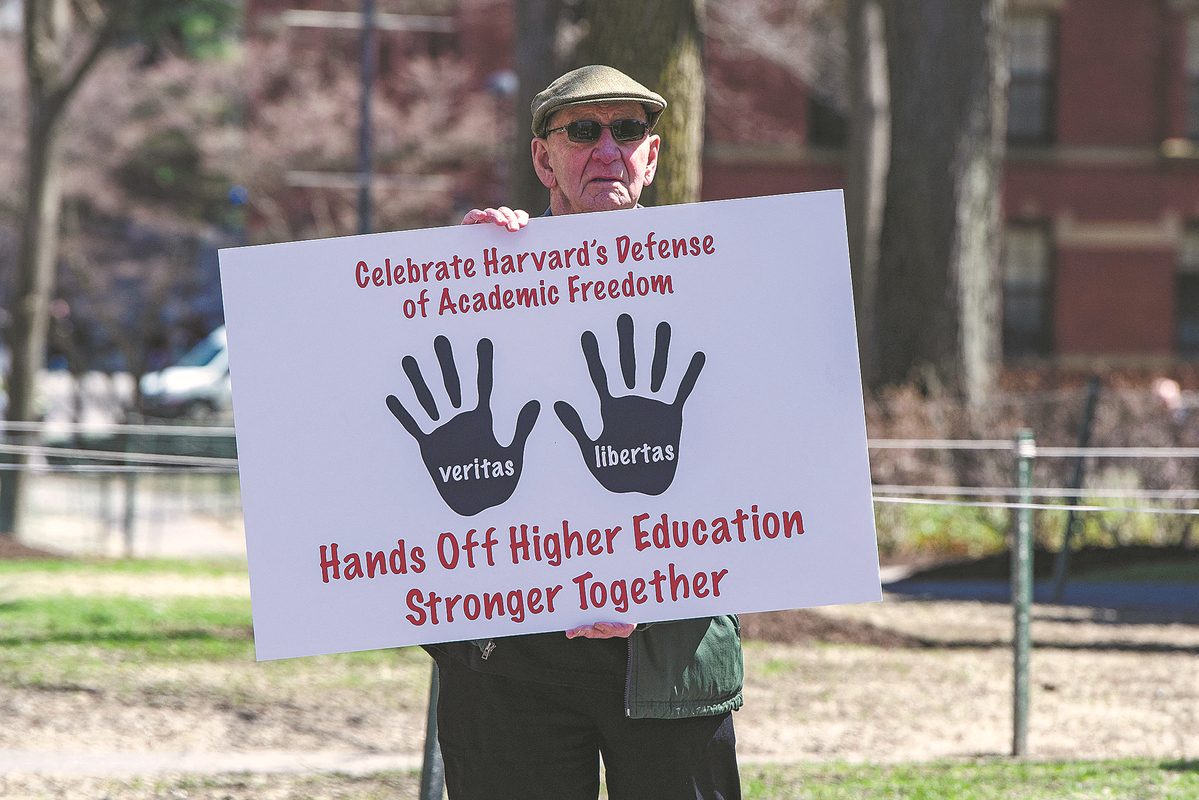
Beginning as mild tremors, the shift has accelerated to shake up the global scientific community. Sweeping changes have struck at the very heart of the US research ecosystem in recent months. Budget cuts slashed funding for federal research agencies, visa restrictions tightened the flow of foreign talents, while government moves to curb academic freedom cast a shadow over scholarly independence. These policies send a message, loud and clear, that science is no longer insulated from politics.
The impact is visible and worrying. Foreign scholars, once eager to set up labs and build careers in the US, are reconsidering. Researchers are choosing institutions in Europe, Canada, and parts of Asia, regions that offer not only generous funding but also an atmosphere of stability and openness. The dream of studying science and carrying out scientific research in the US is losing its luster.
Scientists in the US are feeling targeted. According to the results of a poll by Nature published in March, 75.3 percent of 1,600 respondents, at least 1,200 of them scientists, said they were considering leaving the country following the disruptions to scientific research prompted by the current administration.
This exodus comes at a time when the global race for scientific and technological leadership has intensified. Nations are investing heavily in artificial intelligence, quantum computing, green technologies and biomedical research. The US, once at the forefront, now risks falling behind not because of a lack of brilliance, but because of an eroding environment. Excellence in science demands more than individual genius. It demands open collaboration, consistent support and freedom from political interference.
As research institutions in the US brace for another round of budget cuts and political scrutiny, their counterparts in other countries are rolling out red carpets for academics.
Data from the Nature Careers global science jobs platform show that US scientists submitted 32 percent more applications for jobs abroad between January and March than during the same period in 2024. At the same time, the number of US-based users searching for jobs and government funding abroad increased by 35 percent. Among them, candidates in the US viewing Chinese job ads posted on Nature Careers and applying for them have increased by 30 percent and 20 percent respectively, compared with the same period last year. Clearly, reverse brain drain is already here.
Between 2020 and 2024, the number of high-level science and technology talents in the US fell from 36,599 to 31,781. Over the same period, the number of such talents in China rose from 18,805 to 32,511 individuals.
Between 2010 and 2021, nearly 12,500 scientists of Chinese origin left the US for China. Since last year, nearly 20 leading scientists, most of them based in the US, have come to work in China.
If the McCarthy era set physics in the US back by 10 years, today's policies threaten greater damage. Going by experience, rebuilding a shattered scientific ecosystem takes decades, as it doesn't depend merely on funding, but also on regaining the international community's faith in the US' academic freedom.
Till the time the atmosphere in the US remains frigid, the world's brightest minds will warm up to other shores.