Global 'defender of privacy' can't treat foreign students like suspects









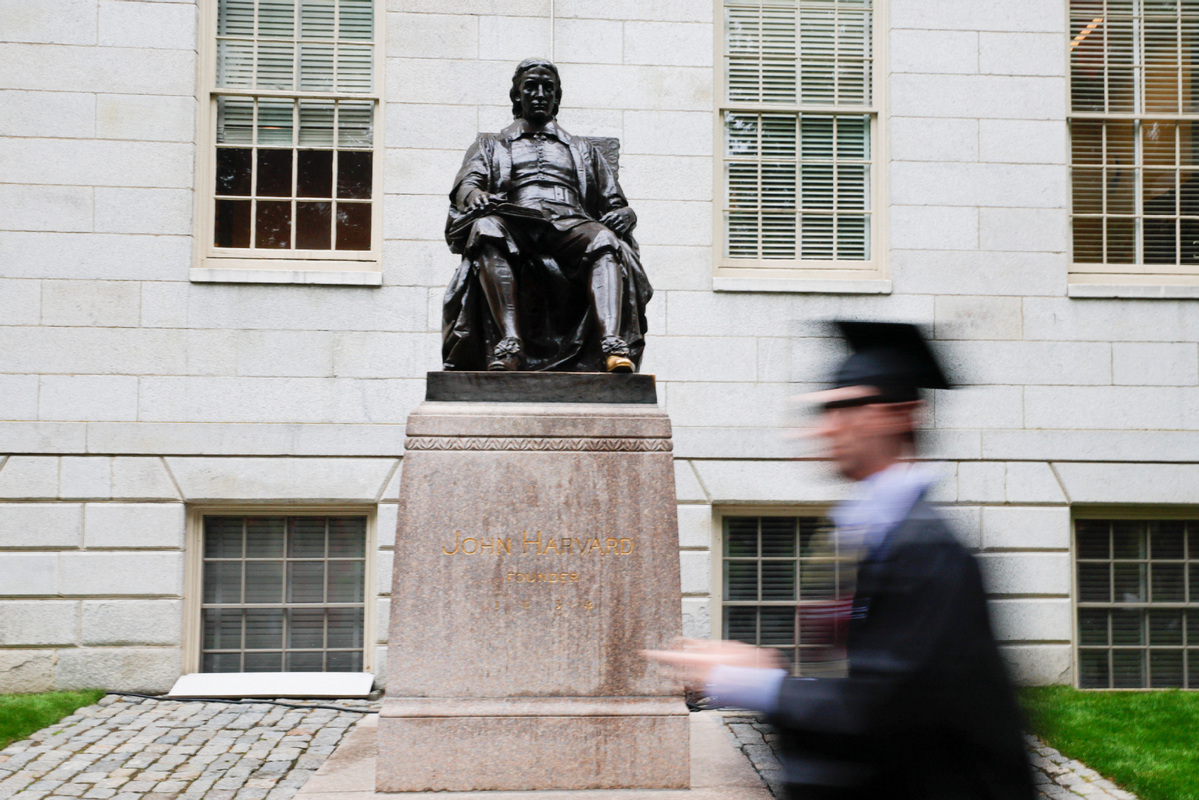
Be careful what you post on social networking sites — it could cost you a student visa to the United States.
It was good news for thousands of young people eager to study in the US when the US State Department announced on June 18 that it would resume processing student visa applications. But it came with a new requirement: applicants would have to unlock their social media accounts for review.
The announcement claimed to "use all available information in our visa screening and vetting to identify visa applicants who are inadmissible to the United States, including those who pose a threat to US national security".
For students who grew up sharing memes, venting their ire and documenting their daily lives online, the idea that a casual post could suddenly upset their career feels unsettling. A harmless joke made at 17, a sarcastic comment about politics or even a misinterpreted photo could potentially be scrutinized by visa officers. The border, it seems, starts on one's phone now.
To facilitate this vetting, "all applicants for F, M, and J nonimmigrant visas will be instructed to adjust the privacy settings on all of their social media profiles to 'public'", according to the announcement.
The move also raises serious questions about privacy and fairness. Of course, every country has the right to vet visa applicants for legitimate security concerns. But casting such a wide net into people's personal digital lives is overreach. The US has long presented itself as a defender of privacy, freedom of speech and human rights. Intense scrutiny of candidates' social media posts risks undermining those very values. How can a country that prides itself in openness justify asking teenagers to explain old tweets before granting them a student visa?
The timing is particularly unfortunate. China-US relations remain complex and people-to-people exchanges, particularly in education, have long served as one of the few consistently positive aspects of bilateral ties.
About 1.1 million international students in US universities contributed $43.8 billion to the US economy during the academic year 2023-24 and supported more than 378,000 jobs. Among them, about 277,000 are from China, making up roughly one-fourth of all foreign students in the US.
International students bring new perspectives to US classrooms and often return home with a deep understanding of US society. They are not just students, they are future bridges between cultures. Introducing invasive social media checks could discourage many of these young talents from applying in the first place.
The policy sets a troubling precedent. Social media content is notoriously easy to misinterpret. A meme that seems harmless at home might raise eyebrows abroad. Can visa officers accurately evaluate years of online behavior, understand cultural nuances and fairly judge intent? The risk of misunderstanding is huge and the consequences, for applicants, could be life-changing.
Moreover, this policy might encourage applicants to delete their online profiles out of fear of disqualification. That is not healthy for open societies.
So reopening of the student visa process comes with digital strings attached. Washington is sending a mixed signal: "We welcome you — but we do not really trust you."
If the US truly wishes to maintain its leadership in global education and foster healthier international ties, it would do well to remember that trust is a better bridge than surveillance. Let students be students — not suspects.