



China's green energy solution powers sustainability while combating desertification









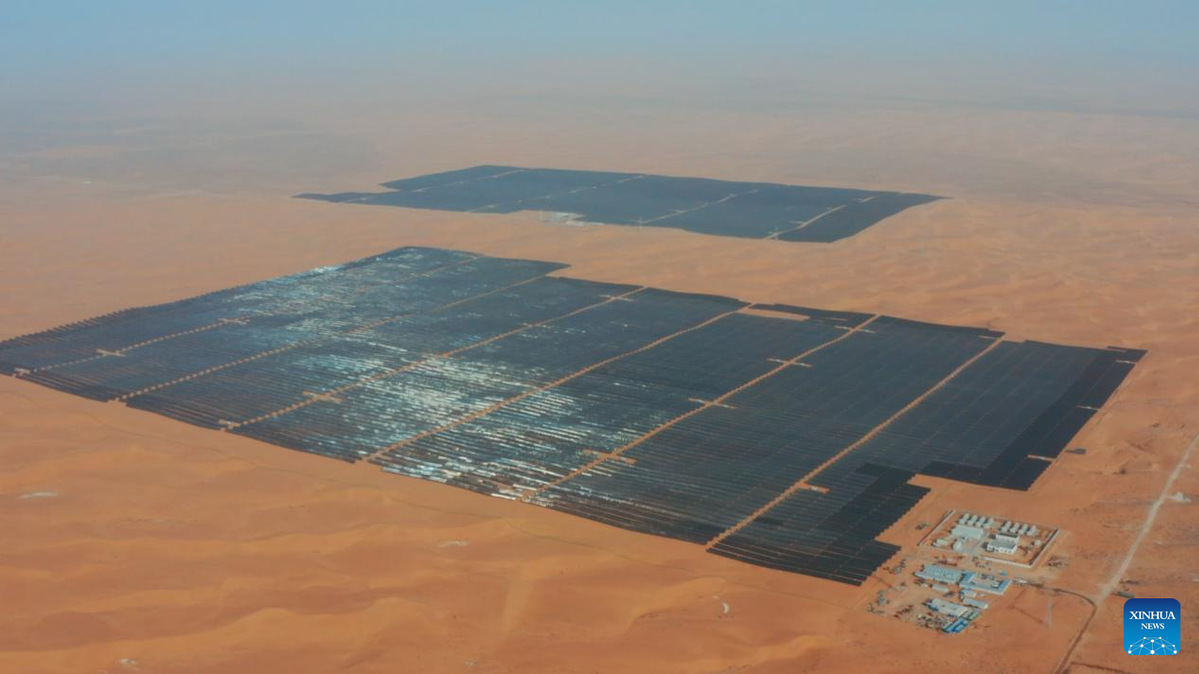
TIANJIN -- China is leveraging its vast desert regions to develop large-scale solar and wind power bases that not only generate clean energy but also play a vital role in reversing desertification, offering a replicable model for global sustainable development.
At the 2025 Summer Davos Forum held in Tianjin, Qian Jing, global vice-president of JinkoSolar, a global leading PV supplier, shared insights into how China's photovoltaic (PV) projects are transforming arid zones into renewable energy hubs. The presentation drew strong interest from international delegates.
Known collectively as "Shagehuang," a Chinese term referring to deserts, gobi, and barren lands, these regions feature abundant sunlight and minimal rainfall -- conditions ideal for solar power. However, they are also among the most severely desertified regions in the world.
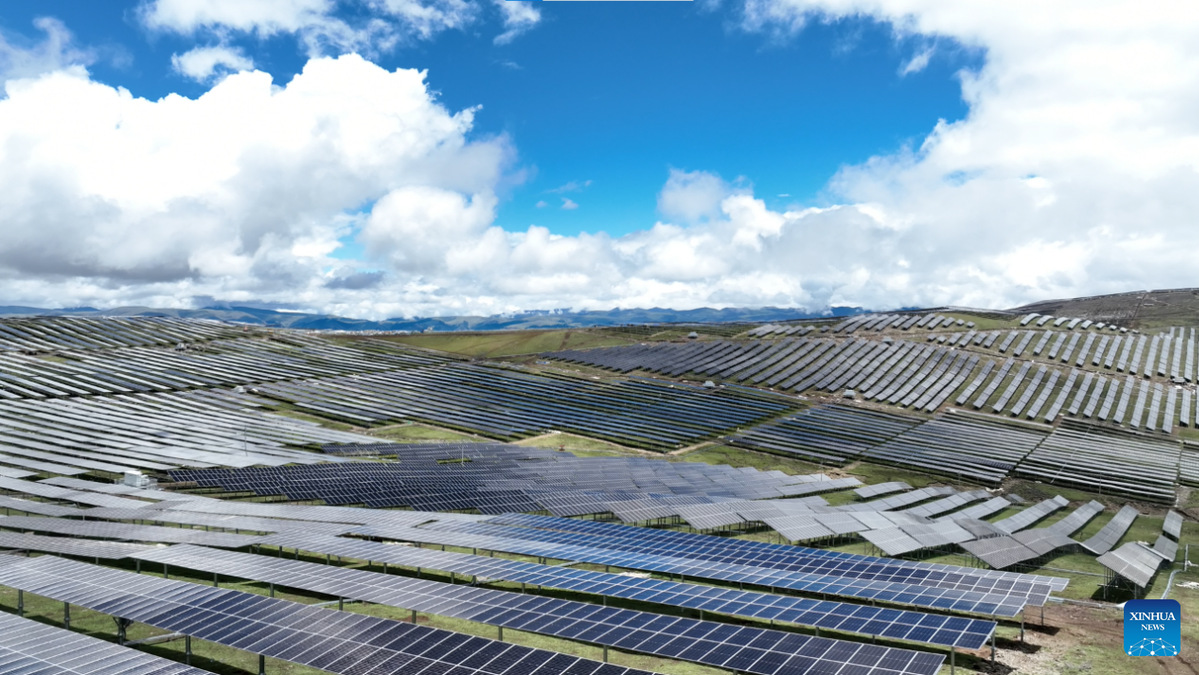
China has undertaken extensive ecological restoration projects in these areas. Over 53 percent of treatable desertified land is now under effective control, thanks to integrated efforts such as afforestation, rotational grazing, and PV-driven land rehabilitation.
By 2030, the total installed capacity of these projects is expected to reach 455 GW -- equivalent to the output of 20 Three Gorges Hydropower Station.
Integrating massive renewables into the grid will transmit clean energy from Gobi Desert bases to remote consumption centers 2,000-3,000 km away, said Pang Xiaogang, general manager of State Grid Corporation of China at the Summer Davos.
"In these regions, solar plants are being integrated with water-saving solutions like PV-powered pumps and desalination systems," said Qian. "This helps tackle both energy and water shortages in harsh desert environments."
"Mongolia, with its vast underutilized solar potential, could benefit greatly from China's experience," said Battushig Myanganbayar, founder and CEO of Implicit AI Inc., after attending the forum. "Partnering with China could help transform the desert into a clean energy hub and support data center development across Asia."
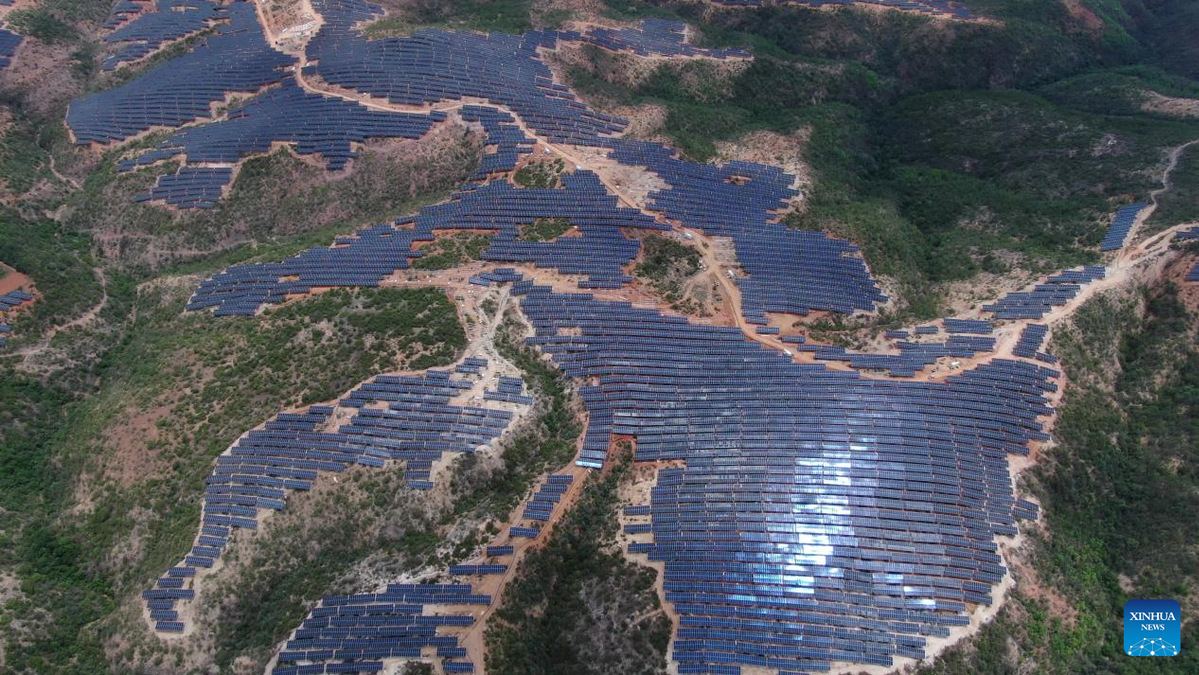
Hu Min, executive director of the Institute for Global Decarbonization Progress, noted that China's systemic model -- combining PV deployment with infrastructure, land use, and energy storage -- offers valuable insights for other countries pursuing green development.
Professor Xue Yongji of Beijing Forestry University added that building large-scale renewable energy projects in desert areas promotes synergy among green power generation, ecological restoration, and sustainable agriculture.
"These efforts support China's carbon goals while creating new green growth engines in arid regions," Xue said. "It is a practical and scalable model for countries seeking both environmental resilience and sustainable economic development."


- China to strengthen legal framework in economic, anti-corruption, and emerging sectors
- Shanghai hospital unveils AI model for women's health
- China aims to boost seed industry for self-reliance and food security, says minister
- NPC deputy calls draft ethnic unity law a 'foundational guide' for Xinjiang's cultural workers
- China's public security continues to improve in 2025
- World's oldest articulated bony fish fossil unearthed in Chongqing





