



Action taken to cut ozone-harming substances
Nation goes further to implement Montreal Protocol, restrict production of gases damaging to the environment









Editor's note: China Daily is publishing a series illustrating the country's efforts to achieve its carbon peak and carbon neutrality goals.
China has launched a five-year national action plan to implement the Montreal Protocol on Substances that Deplete the Ozone Layer, outlining specific timelines for the gradual elimination of all ozone-depleting substances used in production and consumption.
The plan will also address the use of hydrofluorocarbons, once developed as an alternative to ozone-depleting substances, but which have been discovered to have their own potent greenhouse gas effects.
The plan was released in April by the Ministry of Ecology and Environment, together with the National Development and Reform Commission, the ministries of industry and information technology, commerce, and the General Administration of Customs.
It defines nine categories of substances for control, with eight of them, including chlorofluorocarbon and carbon tetrachloride, being ozone-depleting substances and one a hydrofluorocarbon.
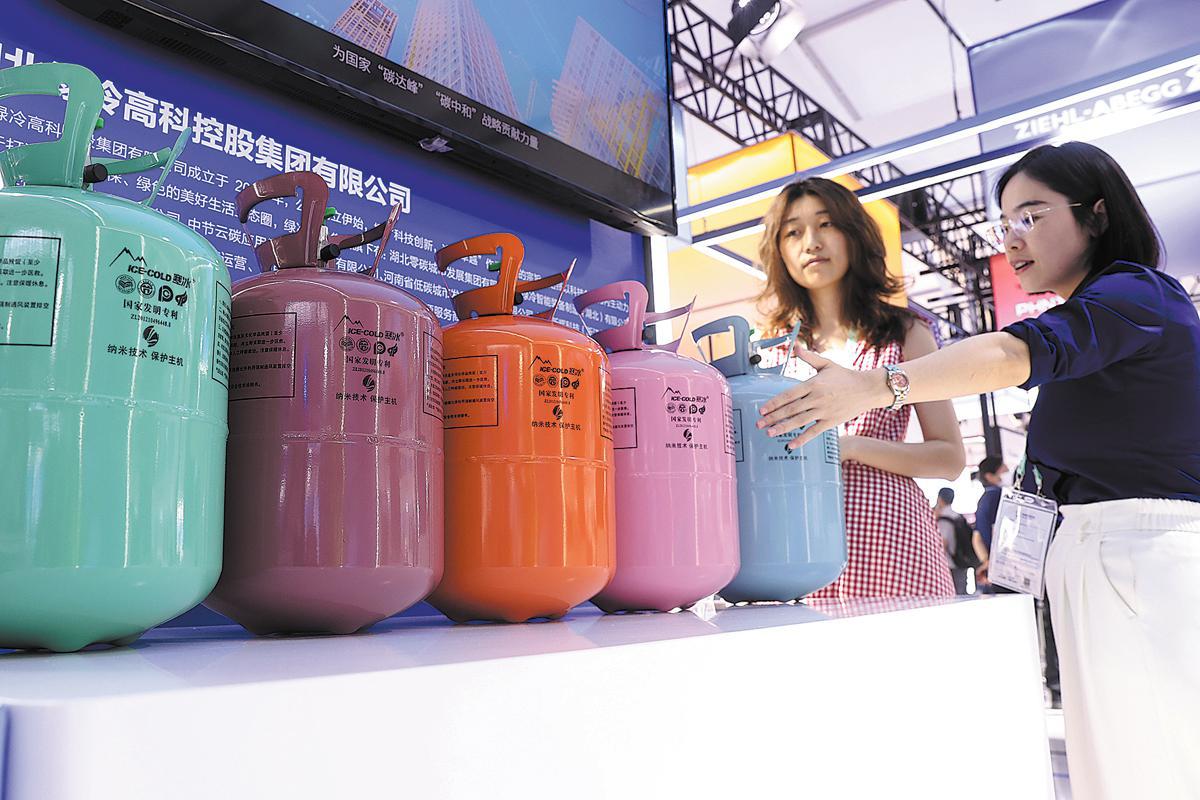
Ozone-depleting substances are widely used in foam-blowing agents and refrigerants. While hydrofluorocarbons, used to replace these substances to avoid damaging the ozone layer, are themselves powerful heat-trapping gases.
Finalized in 1987, the Montreal Protocol came into effect in 1989. Parties then agreed on the Kigali Amendment to the protocol in 2016, which aimed to gradually reduce the consumption and production of hydrofluorocarbons based on the consensus on their significant global warming impacts.
"HFCs don't deplete the ozone layer but are synthetic greenhouse gases with a global warming potential tens to thousands of times that of carbon dioxide," said Pei Xiaofei, a spokesman for China's Ministry of Ecology and Environment, in a news conference.
China has managed to phase out eight categories of ozone-depleting substances outlined in the plan except hydrochlorofluorocarbon, he said. Since joining the Montreal Protocol in 1991, the country has eradicated over 628,000 metric tons of ozone-depleting substances, accounting for half of the total eliminated by developing nations.
Starting from Jan 1 next year, hydrochlorofluorocarbons will be prohibited from being consumed for producing refrigerators and freezers. Additionally, apart from exempted controlled uses and special purposes such as raw materials, hydrochlorofluorocarbons will also be banned from being imported, according to the plan.
This year, the production and consumption of hydrochlorofluorocarbons for controlled uses will be reduced by 67.5 percent and 73.2 percent, respectively. As of 2030, both production and consumption of the substances will be reduced by 97.5 percent.
By 2029, the production and consumption of hydrofluorocarbons for controlled uses will be cut by 10 percent from baseline levels.
The five-year plan closely revolves around compliance objectives and the current state of domestic industry development, according to a statement from the Ministry of Ecology and Environment.
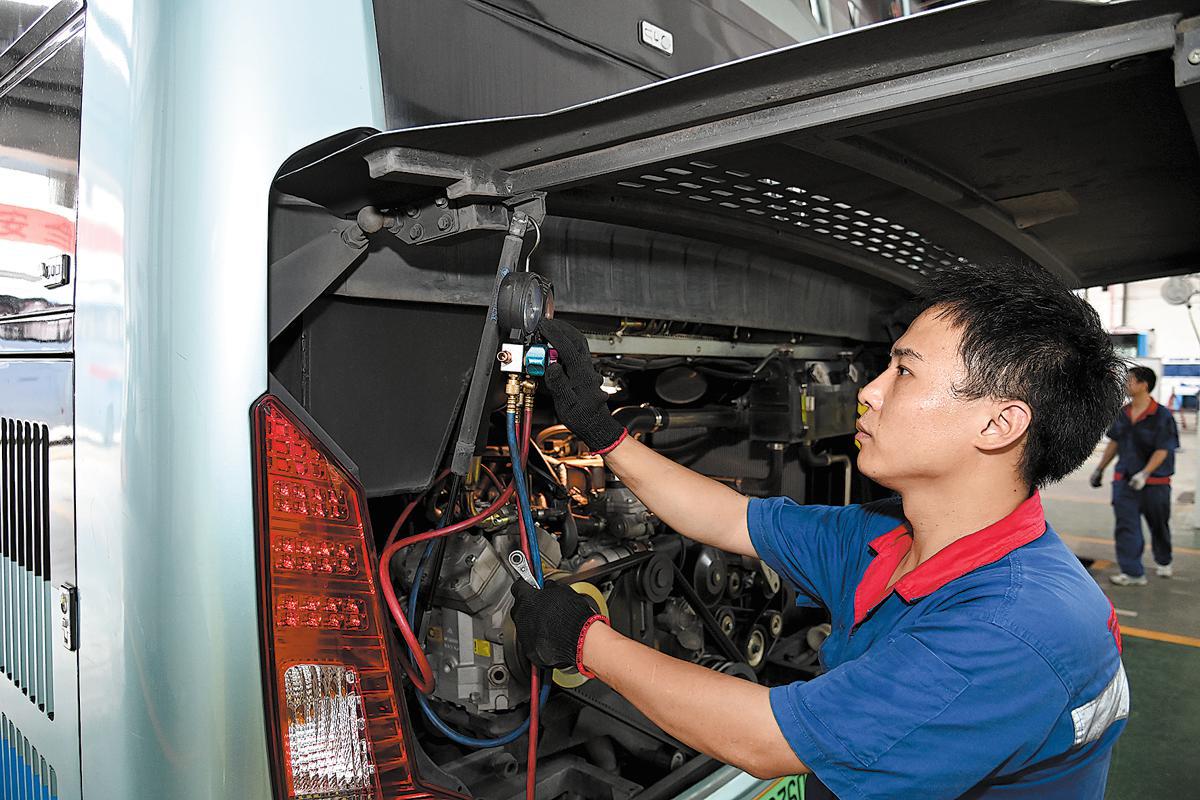
By integrating efforts to safeguard the ozone layer and combat climate change, the plan promotes gradual measures within various sectors to eliminate ozone-depleting substances and lower the emissions of hydrofluorocarbons, the statement said. It aims to implement a holistic life cycle management framework that encompasses production, sales, usage, maintenance, recycling, reutilization, disposal, as well as import and export procedures.
Zhuang Xiangning, deputy director of the quality, safety and environmental protection department at the China Petroleum and Chemical Industry Federation, said China produces and supplies over 80 percent of hydrochlorofluorocarbons and hydrofluorocarbons around the globe, making the country an "undisputed leading player" in implementing the Montreal Protocol.
China's fluorine chemical industry, as a producer of the two types of substances, bears significant responsibilities, he stressed.
He said the national plan has introduced a series of tailored measures to enhance the management and sales of controlled substances under the Montreal Protocol and its Kigali Amendment.
The production of these controlled substances in the industry will be governed by a production quota licensing management system. Annual production quotas will be issued in alignment with the country's compliance targets and will be progressively reduced, he said.
The plan also calls for improved monitoring, metering and data reporting for the by-products of producing these substances, he added.
Historical practices in China have proved the production quota licensing system as an effective measure to implement the Montreal Protocol and tackle climate change, exerting a positive and far-reaching impact on the development of the fluorine chemical industry and related sectors in the country, Zhuang said.
The plan, developed drawing upon over 30 years of compliance experience with the Montreal Protocol and taking into account the actual conditions of China's fluorine chemical industry, will play a pivotal role in guaranteeing China's adherence to the protocol and fostering the healthy and sustainable development of related sectors.
With the continuous improvement of relevant management systems under the plan, "China's fluorine chemical industry and related sectors will undoubtedly progress toward a greener, low-carbon and sustainable direction, making greater contributions to the high-quality development of the country's economy and society," he said.
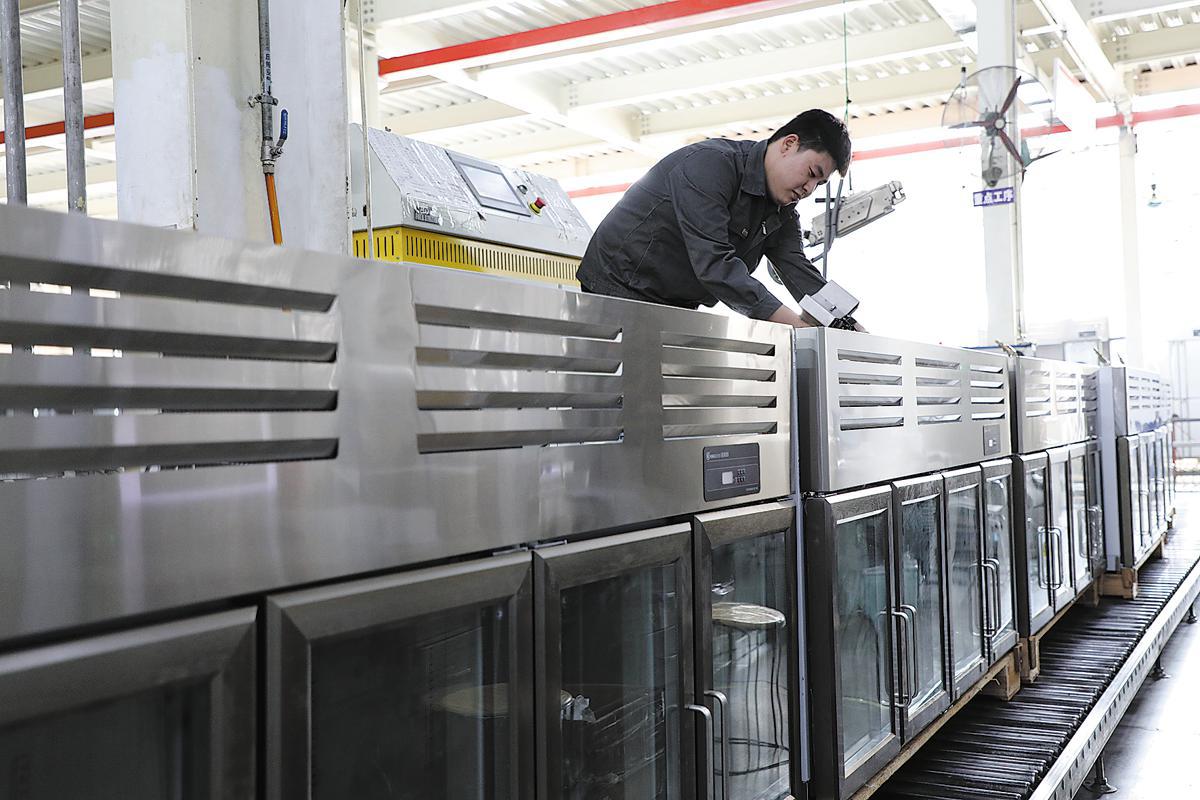
The plan also mandates that the household appliance industry should reduce hydrochlorofluorocarbon usage by at least 70 percent from its baseline level by the end of this year. Starting from Jan 1, 2030, the production of household appliances using hydrochlorofluorocarbons as refrigerants will be prohibited. The production of refrigerators and freezers using hydrofluorocarbons as refrigerants will be banned as of Jan 1 next year.
Recalling the remarkable achievement the household appliance industry has made in phasing out ozone-depleting substances with the help of ozone- and climate-friendly technologies, Wang Lei, secretary-general of the China Household Electrical Appliances Association, expressed her confidence that the industry will make the plan's goals a reality.
Following the implementation of the Montreal Protocol, China's household refrigerator and freezer industry swiftly transitioned to utilizing environmentally friendly and low-carbon alternatives such as isobutane and cyclopentane to replace chlorofluorocarbons, she said.
The sector managed to eradicate chlorofluorocarbons completely by July 2007, surpassing the commitment timeline China made to the international community by two and a half years, Wang added.
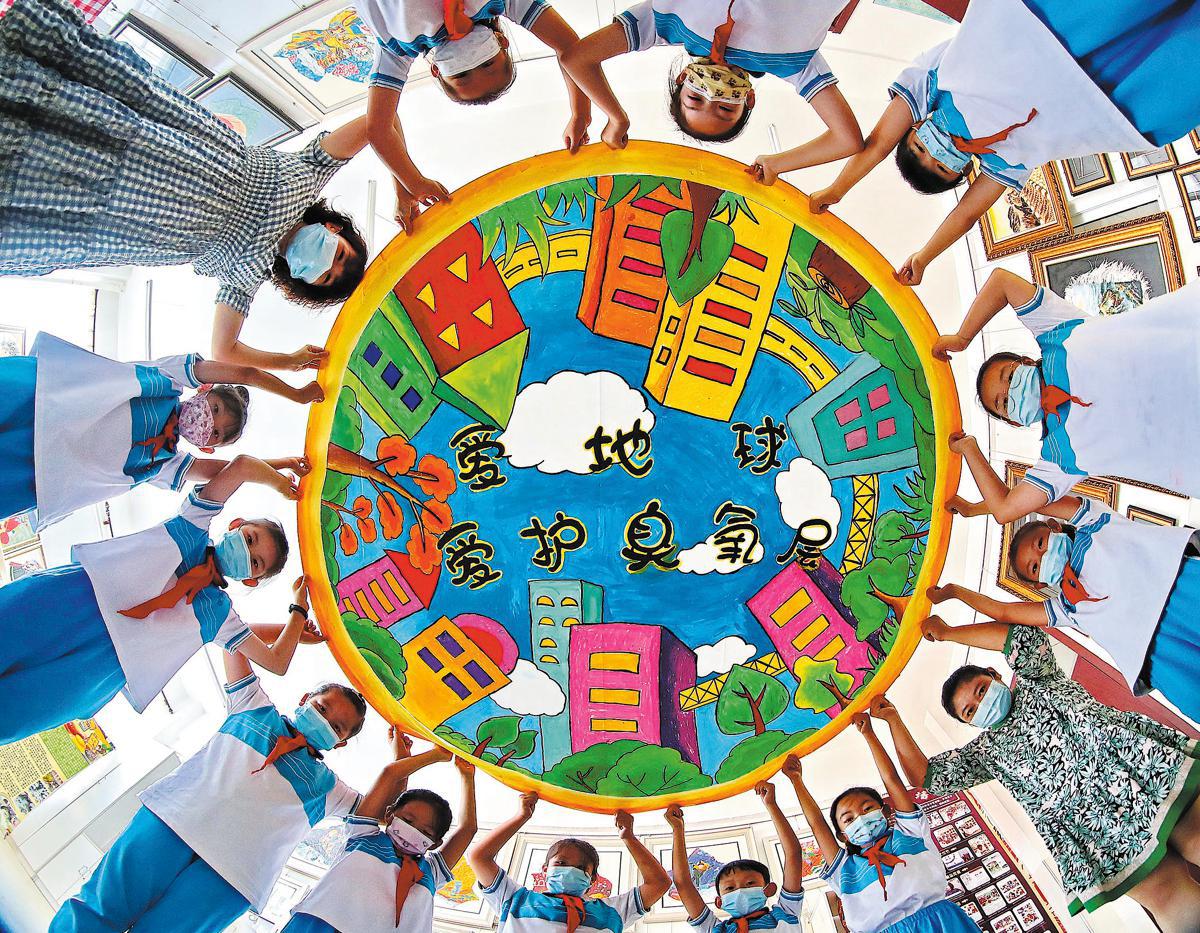
Shortly after China started to commence the phase-out of hydrochlorofluorocarbons in 2011, she said China's household appliance industry took a pioneering global stance by turning to the ozone- and climate-friendly hydrocarbon natural refrigerant propane as an alternative technology.
China has so far made commendable strides in advancing the research and commercialization of propane technology with independent intellectual property rights within the air conditioner sector, she said. As of last year, the sector had successfully manufactured and sold more than 10 million propane air conditioners.
She emphasized that the Chinese air conditioner sector is at the forefront globally in both researching and implementing environmentally sustainable and low-carbon propane technologies.
"Looking back on its over 30-year compliance with the Montreal Protocol, the Chinese household appliance industry has significantly enhanced its technological prowess, industrial scale and global competitiveness," she said.
Starting from almost scratch with a weak industrial foundation, the industry has transitioned to become a powerhouse in the global household appliance market, she added.
In 2023, the total revenue of China's household appliance industry reached 1.84 trillion yuan ($255.9 billion), with a total profit of 156.5 billion yuan, Wang said. The proportion of the country's major household appliance products in global output exceeded 50 percent, with air conditioner products exceeding 80 percent.
"China's household appliance industry has achieved a win-win situation by fulfilling international environmental agreements and promoting sustainable industry development," she said.
Taking the implementation of the national plan as an opportunity, Wang said the industry will continue to promote green, low-carbon transformation and sustainable development, so as to make a greater contribution to protecting the ozone layer and addressing climate change.
houliqiang@chinadaily.com.cn


- Beijing-Pyongyang passenger rail service to resume Thursday
- Shanghai and Jiangsu integration boosts sports-tourism development
- China Eastern Airlines restores direct flights between Shanghai and Stockholm
- RedNote targets AI-run accounts with new governance rules
- China's draft law on ethnic unity aims to serve as global model, political adviser
- Spring blossoms complement the Honghe Hani Rice Terraces in Yunnan





