Food security more than just grain self-sufficiency









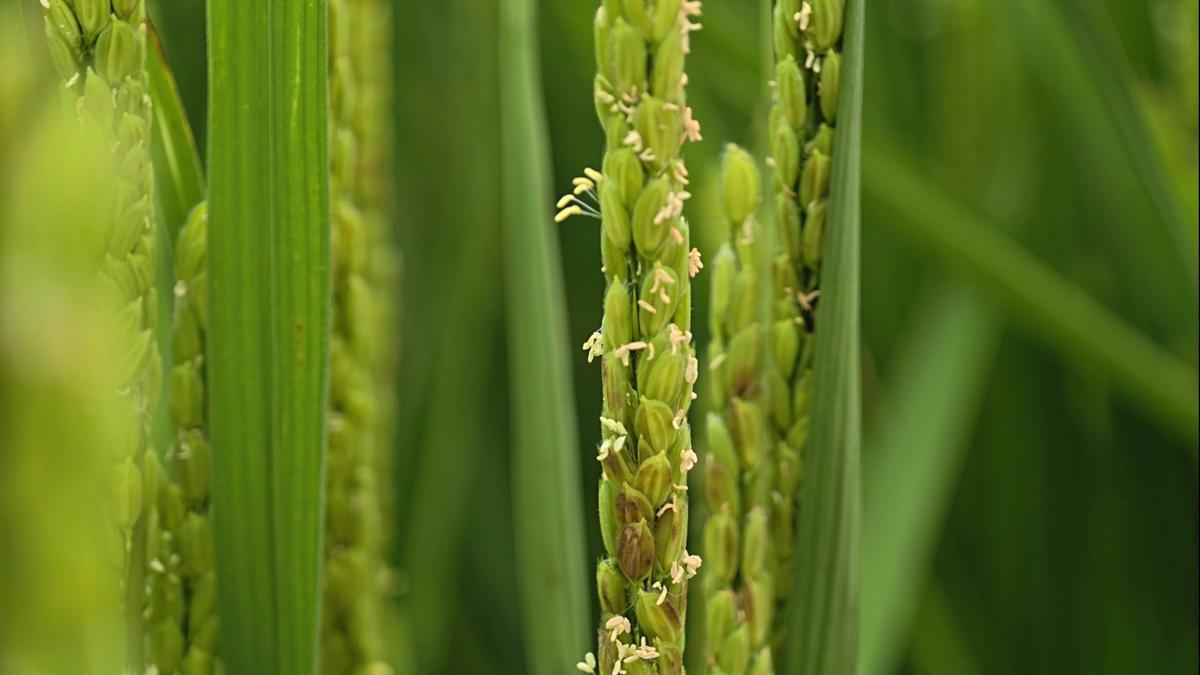
The added value of China’s primary industry hit 3.12 trillion yuan ($435.27 billion) in the first half of this year, a year-on-year increase of 3.7 percent. Currently, the government’s purchase of summer grain is at its peak, according to the National Food and Strategic Reserves Administration.
China’s grain output reached 706.5 million tons last year, a historical high. Despite this, the long-term tight balance between the country’s grain supply and demand has not changed. Affected by factors such as extreme weather, natural disasters and fluctuations in the chemical fertilizer prices and grain prices, China’s food security still faces tough challenges.
To keep the national grain output at a high level, the authorities need to continue to increase their input to modernize agricultural infrastructure, raise high-standard farmland’s share in the overall farmland portfolio, and improve the disaster prevention and mitigation capabilities of agriculture.
Apart from protecting arable land from pollution and degradation amid industrialization and urbanization, the country needs to increase the grain yield by applying more agricultural technology, improving seeds and promoting the application of agricultural machinery and equipment to further enhance the productivity of agriculture.
To provide farmers with more incentives to plant grain crops, policymakers should strengthen the resilience of grain price stability and supply mechanisms by ensuring the government’s subsidies to farmers, especially those of the major grain production regions.
The interprovincial interest compensation mechanism for grain production areas should be strictly implemented, so that the main producing areas can benefit more from the grain production funding provided by the better-off regions where agriculture has been replaced by industries.
Another practical challenge stems from the country’s increasing demand for nongrain foods such as vegetables, fruits, aquatic products and other animal proteins.
More policies should therefore be rolled out to increase the country’s self-sufficiency in edible protein products. Since it became a net importer of food in 2004, China’s agricultural trade deficit has expanded, with animal protein products being the main cause of the deficit.
In the first five months of this year, China’s deficit in its agricultural products trade stood at $38.79 billion, a year-on-year fall of 24.9 percent, according to data of the Ministry of Agriculture and Rural Affairs. The marked decrease in the figure demonstrates the effectiveness of the country’s ongoing efforts to reduce its reliance on imported food.
So although the bottom line of China’s food security remains self-sufficiency in grain, the higher requirement should be to maintain the supply security of residents’ overall nutritional structure. More systemic thinking should be applied in the making of agricultural policies.
For instance, even though soybean output accounts for less than 3 percent of the total output of the four major grains in China — along with rice, wheat and corn — it is an important source of protein feed for China’s livestock and poultry farming industry, and the development of aquaculture also relies on soybean-sourced feed. Therefore, soybean is of strategic importance to China’s food security.
So promoting the transformation of the national agricultural system to make it more balanced and diversified is crucial to guaranteeing the country’s food security.
Additionally, China should continue to expand the number of source countries for its imports of agricultural products and form a more diversified and resilient food import system to improve the stability and reliability of the supply chain of key agricultural products.
The government should pay more attention to increasing its agriculture-related foreign investment and trade in other countries and regions.
For example, China’s investments in agricultural infrastructure in Africa, Latin America, South Asia and other places will have a positive influence on the well-being of local people and its own food security.
Improved road transportation means that more food can be transported from local areas to international markets at lower costs. Applications of more agricultural technologies from China in these developing countries can also help local farmers increase their income, and enhance the capacity to deal with natural disasters and extreme weather conditions.
These meaningful inputs also represent China’s contributions to the common development of the world, particularly the Global South countries.