Platforms aid fairer digital economy









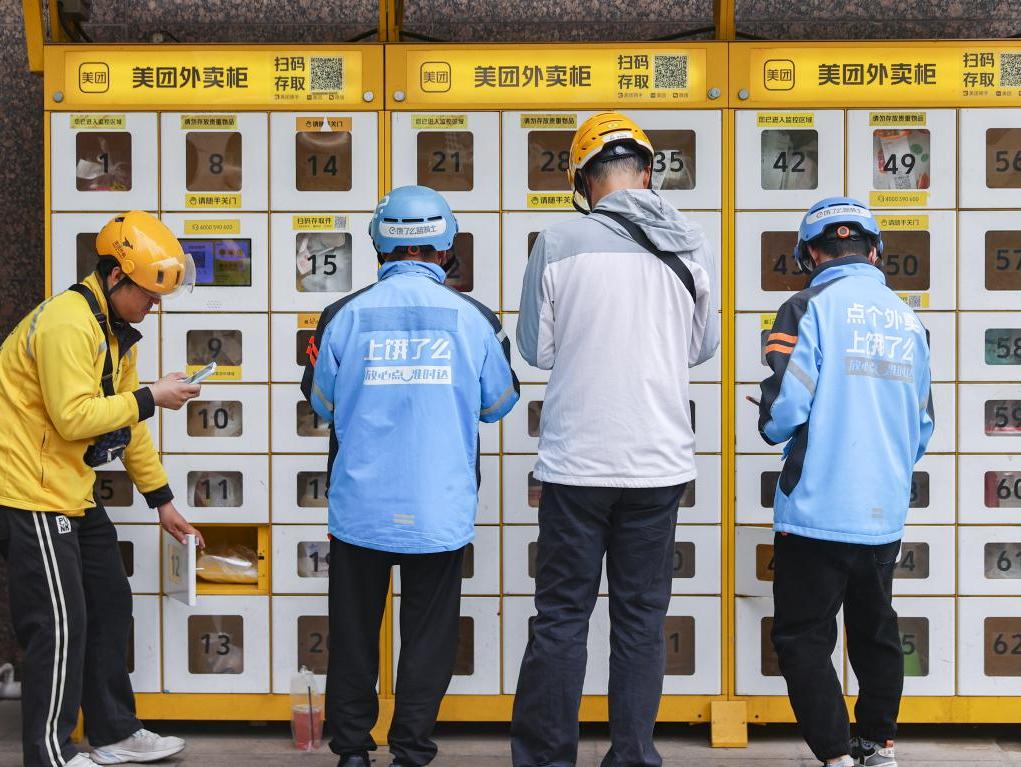
Leading Chinese e-commerce and food delivery players are taking a step back from discount wars, as Meituan, Taobao, Ele.me and JD all pledged in August to rein in aggressive price-cutting, promising to shift the focus from burning cash to building a fairer, more sustainable digital economy.
The coordinated move follows mounting pressure from regulators. Just weeks earlier, China's top market watchdog, along with four other government agencies, summoned the country's leading platforms to a closed-door meeting.
The message was blunt: stop the race to the bottom, clean up unfair practices and protect the rights of consumers, merchants and delivery workers.
In response, these major platforms rolled out a flurry of promises. They pledged to plan subsidies more carefully, avoid irrational promotions and stop selling goods and services far below cost. They were also told to strengthen internal compliance, shoulder more social responsibility and engage in open, orderly competition.
Meituan was the first to go public, releasing an open letter titled Prospering the Industry Ecosystem, Resisting Disorderly Competition via its WeChat account.
"We will firmly regulate promotional activities and eliminate unfair competition," it said. Subsidies, the company emphasized, must follow antitrust rules, be disclosed transparently and never distort the market by driving prices far below cost.
The company also said it would safeguard the interests of small and medium-sized merchants, ensure equal access to subsidies and uphold vendors' right to set their own prices. Its stated goal: to build a multi-stakeholder ecosystem that benefits consumers, vendors, delivery workers and the platform alike.
JD echoed the sentiment in an internal bulletin, saying it would "resist vicious competition" and instead compete on service and innovation. "Subsidies should not be a race to the bottom. We believe in winning users through quality, price and service — not by burning cash," it said. JD promised to lean on technology and supply chain upgrades to secure long-term growth and consumer trust.
Alibaba-owned Taobao and Ele.me issued a joint statement, pledging to "resolutely oppose malicious competition and jointly foster a win-win ecosystem". They promised to make subsidies more targeted, to avoid wasteful campaigns, and to respect merchants' rights to be informed, to choose and to set prices independently.
Li Mingtao, chief e-commerce analyst at the China International Electronic Commerce Center, called the move "proactive", saying it addressed early signs of risk in the food delivery sector.
"All these efforts sent a clear signal on regulating market behavior and set an example for fostering a healthier, more orderly platform economy," Li said.
The wave of commitments comes as Beijing sharpens its oversight of the platform economy. These efforts tie into broader policy priorities.
At last December's Central Economic Work Conference, leaders called for tighter supervision of monopolistic practices and disorderly competition. The 2025 Government Work Report also reinforced those goals, pushing for a unified national market and the removal of entry and exit barriers.
Pan Helin, an economist and a member of the Ministry of Industry and Information Technology's expert committee, said that the daily order volume of these platforms surged from around 100 million orders at the start of May to roughly 250 million by the month's end.
"This expansion wave is reshaping the industry's competitive logic, but competition itself is not the enemy," he said.
Healthy competition, Pan explained, is about more than coupons or subsidies, and is about adjusting the revenue share among platforms, merchants and delivery riders, all without burdening consumers.