A path to growth










China's modernization journey in the postwar era has provided the foundation for a more just and equitable global order
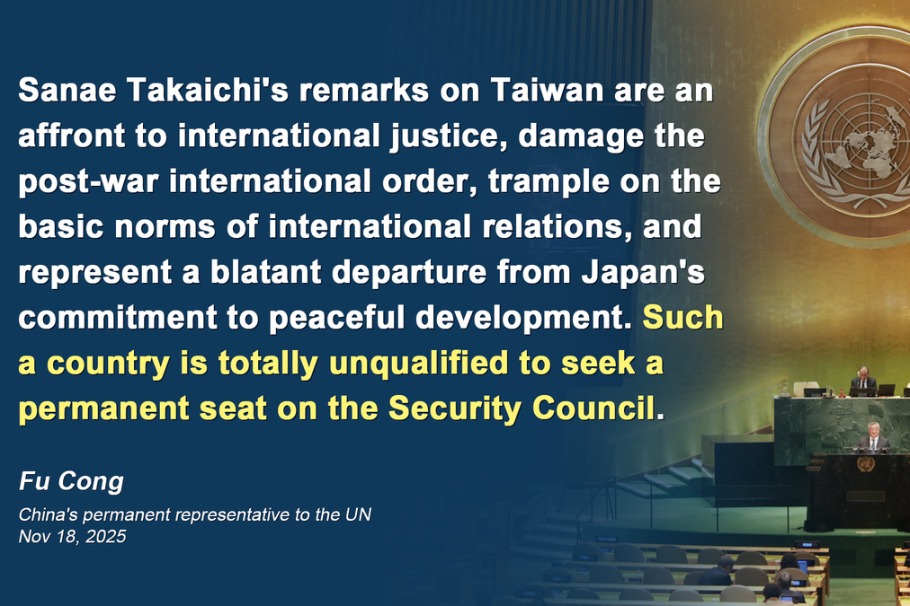
World War II ended 80 years ago, yet its impact reverberates to this day. Over the last few decades, the Western-dominated "center-periphery" global order has been shaken to the core, and the post-World War II international system is being reshaped profoundly.
The victory in the Chinese People's War of Resistance Against Japanese Aggression (1931-45) paved the way for economic growth in non-Western countries across Asia, Africa and Latin America. In the postwar era, China has gradually emerged as a major economic powerhouse in the world, which has elevated the overall status of non-Western countries in the global economic landscape.
Prior to World War II, the global political order was built upon imperialism and colonial rule. The end of the World Anti-Fascist War led to the collapse of Japanese colonial rule in Asia and undermined the foundations of other imperialist powers in the region. Asian nations such as India, Myanmar and Vietnam launched their independence movements one after another.
In the postwar era, China has actively engaged in international affairs, supported the global process of decolonization, and advocated for the United Nations to adopt a series of resolutions promoting decolonization. The decolonization movement worldwide laid the groundwork for the establishment of a relatively more just and equitable global system.
At the same time, China has advocated equality and cooperation within the international community, urging countries to abandon racism and respect the sovereignty and independence of all countries. Through collaboration with other emerging nations, China has pushed for reflection and critique of racism, providing the ideological foundation for a relatively more just and equitable international order.
The victory in the war against Japanese aggression elevated China's status in the international community. As a driver of the transformation of the geopolitical landscape, China emerged as an independent force in the postwar era, serving as a balancer in the bipolar structure of the Cold War era.
In 1971, the restoration of the People's Republic of China's lawful seat at the UN further amplified its voice in global affairs.
China's foreign policy in the Cold War era made it a key variable. Through cooperation with other developing nations, China promoted solidarity within the developing world.
China also reshaped the geopolitical landscape and regional order in Northeast Asia and Southeast Asia. The victory in the war against Japanese aggression transformed the power dynamics in East Asia. In Northeast Asia, China emerged as one of the leading regional powers. After the end of the War to Resist US Aggression and Aid Korea (1950-53), China played a key role in promoting peaceful reconstruction on the peninsula, and actively fostered regional economic cooperation.
In Southeast Asia, China provided substantial support for the anti-colonial struggles of regional nations, including aiding Vietnam in its war against French rule. China's efforts accelerated the collapse of the colonial system in Southeast Asia and contributed to the establishment of nation-states in the region. Through extensive economic cooperation with regional countries, China has also promoted shared economic development in Southeast Asia.
As an innovator in building international norms, China has contributed its wisdom to the restructuring of the postwar international order.
In terms of diplomatic philosophy, China challenged and criticized the Western imperialist logic of "might makes right". Unlike the expansionism, imperialism and colonialism of Western powers, traditional Chinese culture emphasizes values such as "harmony" and "promoting peace among all nations". These philosophies have permeated ancient China's diplomatic practices, forming a tradition of peaceful diplomacy.
After the founding of the PRC, China proposed the Five Principles of Peaceful Coexistence, emphasizing principles such as sovereign equality and non-interference in other countries' internal affairs, which have become important norms in international relations.
China's approach to modernization and its path have provided new intellectual resources for reshaping the international order.
While Western modernization has often been characterized by colonial expansion and hegemonism, China has blazed a distinct path which is centered on peaceful development and mutual benefit.
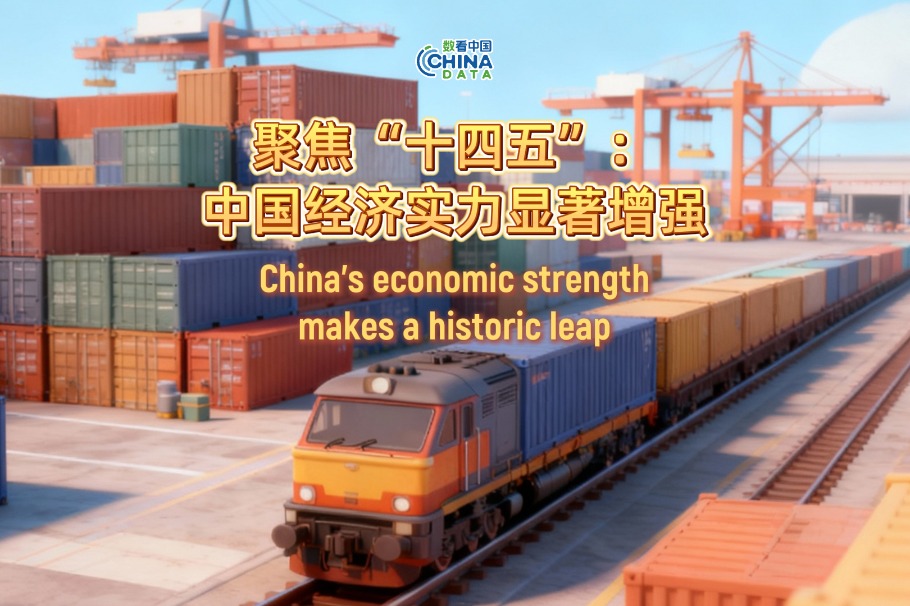
Following its reform and opening-up, China's economy took off through domestic reforms. Through the Belt and Road Initiative, China actively promotes economic cooperation and development in participating countries, advocating the principles of extensive consultation and joint contribution for shared benefits, thereby providing new pathways for global economic progress.
In international organizations such as the UN, China vigorously advances multilateral cooperation and champions the building of a community with a shared future for humanity to ease international tensions and foster economic development.
Furthermore, China disseminates its philosophy of peaceful development through cultural exchanges and educational cooperation, enhancing understanding and friendship with countries around the world.
China's modernization experience demonstrates that the international order should transcend the law of the jungle and be founded on equality, mutual benefit and peace.
The author is a professor at the School of History and Archives at Yunnan University. The author contributed this article to China Watch, a think tank powered by China Daily. The views do not necessarily reflect those of China Daily.
Contact the editor at editor@chinawatch.cn.