EU-China cooperation matters more than ever









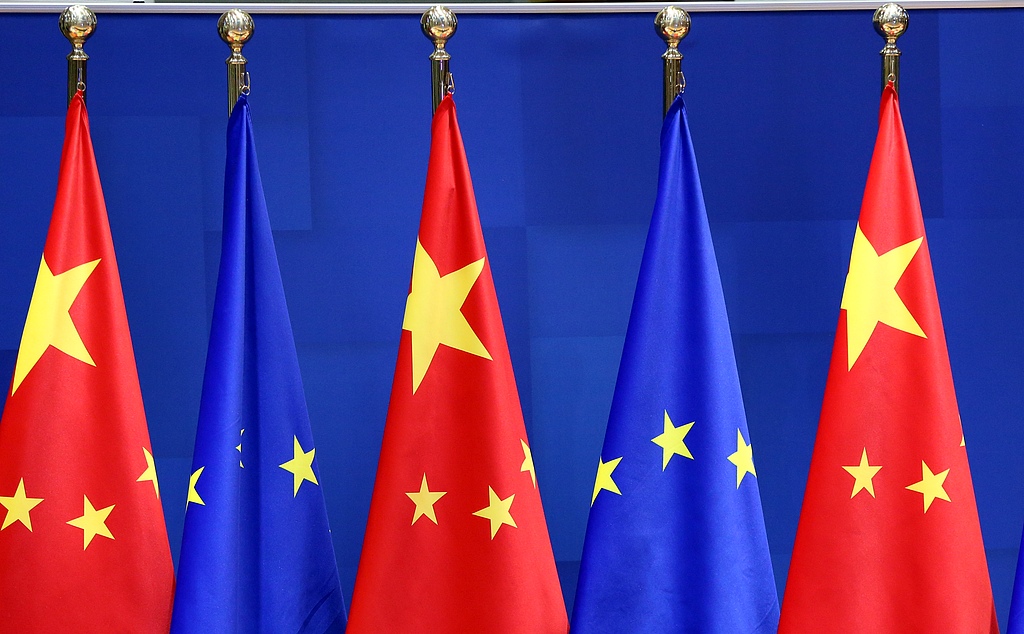
This year marks the 50th anniversary of diplomatic relations between the European Union and the People's Republic of China — a significant milestone commemorated at the China-EU Summit held on July 24 in Beijing.
This historic moment arrives at a time of profound global transition. Geopolitical tensions are rising, international institutions are under strain, and global economic interdependence is being reevaluated.
In such a volatile environment, EU-China relations matter more than ever — not only for the two parties involved, but also for the stability of the global order.
Over the past five decades, EU-China cooperation has contributed significantly to economic growth and global stability. China's reform and opening-up policies lifted millions out of poverty, transformed the global economy, and created a new center of gravity in Asia.
The EU, starting as a peace project to reconcile former war enemies, increased from originally six to eventually 27 member states. It is built on the integration of national economies, open markets, European legislation and supranational institutions.
The EU became one of China's largest trading partners. Together, China and the EU stand as two key pillars of the interconnected global economy.
However, the once-pragmatic and cooperative relationship has, in recent years, become more complex. Economic imbalances, competition concerns and broader political narratives have strained mutual trust. In 2019, the EU's Strategic Outlook labeled China simultaneously as a partner, competitor and systemic rival — a triad that reflected shifting perceptions. Additionally, framing global politics as a conflict between democracies and autocracies has unnecessarily polarized international discourse.
Today, the EU is confronted with the Russia-Ukraine conflict at its borders, which has become a major concern for European stability and security. Moreover, populist movements on both sides of the Atlantic present a threat to the European political system and integration. The MAGA (Make America Great Again) movement, which propelled United States President Donald Trump's political return, is now actively supporting far-right, euroskeptic forces in Europe.
Against this backdrop, the EU-China relationship requires a strategic reset — anchored in clear expectations, mutual respect and shared responsibility for global peace and prosperity.
The return of Trump to the US presidency signals more than a political shift — it marks a turning point in the international system established after World War II. His administration embraces a protectionist, transactional, unilateral worldview — undermining an international system that has contributed to global prosperity for over seven decades.
During his first term, the US' withdrawal from key global institutions, including the WorldHealth Organization and the Paris Agreement on climate change, started. The US also blocked the dispute resolution mechanism of the World Trade Organization, and economic tools like tariffs and sanctions were used as weapons, undermining trust and long-standing partnerships.
The US administration's stance reflects deeper structural issues in the US economy and its political system. The US has failed to distribute the gains of globalization fairly. De-industrialization, stagnant middle-class wages and rising inequality have led large parts of the American electorate toward populism, nationalism and protectionism. Global markets are no longer seen as sources of wealth but as threats to identity and security, directly affecting Europe as well as China. Both have an interest in maintaining open trade, global rules and institutional cooperation. Neither benefits from a world shaped solely by the logic of national power.
China is now widely seen in Washington as the central long-term challenge to US dominance. At the core of this confrontation lies a fear of a multipolar world after China's rise. A successful China — capable of establishing alternative financial, trade and development institutions — could undermine the US dollar's role as the global reserve currency. This, in turn, would weaken America's economic and financial power and global influence.
Europe's strategic dilemma
Europe finds itself caught between an unpredictable US and a rising China. While the EU remains closely aligned with the US on security through NATO, it also seeks to maintain its economic autonomy and global relevance. For Europe, a multipolar world is not a threat but a reality to be shaped through cooperation and rules-based governance. EU member states, relatively small on a global scale, have learned with European integration, the establishment of the European single market, and the creation of the euro as a common currency to adapt their national economic and political structures to international changes.
China is both a vital trading partner and a strategic competitor. China's growing middle-income group and vast consumer market offer major opportunities for European businesses. At the same time, its socialist market economy, which is different from the economic system of European countries, raises concerns in Europe.
Europe cannot afford to follow Washington's confrontational stance. Doing so would risk economic self-harm and further global fragmentation. Nor can it engage with China without addressing what it sees as legitimate structural concerns, such as those regarding market access and trade imbalance.
The EU and China must confront their differences openly and constructively. From the European side, concerns about fair competition and economic reciprocity remain pressing. From China's perspective, EU trade restrictions, investment screening measures and perceived alignment with US military strategy raise questions about Europe's commitment to independent diplomacy.
Nonetheless, both sides have much to gain from sustained cooperation. The recent summit in Beijing was an important step forward. The open exchange between leaders demonstrated a willingness to rebuild trust and find mutually beneficial solutions. President Xi Jinping called on both sides to demonstrate "vision and responsibility" by "making the right strategic choices", while European Council President Antonio Costa reaffirmed the EU's commitment to deepening its relationship with China.
Notably, the joint declaration on climate policy reflects a shared vision: "The two sides agree to demonstrate leadership together to drive a just global transition in the context of sustainable development and poverty eradication." This common vision and the spirit of cooperation must guide future engagements.
Common responsibility
The future of global governance cannot depend on any single power. If the US is unwilling or unable to uphold multilateralism, China and the EU have a responsibility to fill the gap. Both have a shared interest in global stability, sustainable development and an open, rules-based international order.
To achieve this, cooperation must be based on mutual recognition of each other's systems, open dialogue on differences, and a commitment to practical, interest-based win-win collaboration. The 50th anniversary of EU-China diplomatic ties is not just a moment for reflection — it is an opportunity for renewal.
As the world enters a new era of geopolitical realignment, Europe and China must choose partnership over national power politics. Their cooperation can be a stabilizing force in a time of global uncertainty — and a cornerstone for a more balanced and peaceful international order.
The author is former secretary-general of the EU's Committee of the Regions and professor at Peking University HSBC Business School.
The views do not necessarily reflect those of China Daily.