GGI a valuable proposal for world









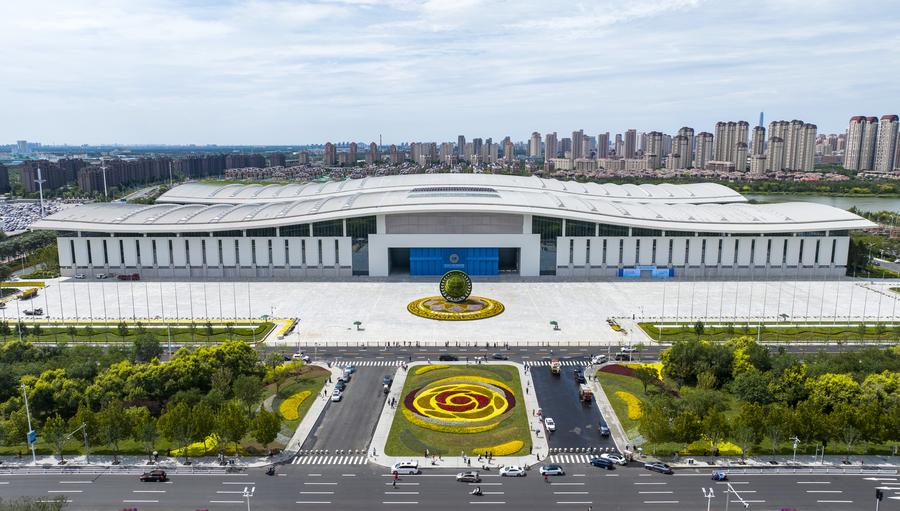
By proposing the Global Governance Initiative at the recent Shanghai Cooperation Organization Summit in Tianjin, President Xi Jinping has made a great contribution to international dialogue which will help the international community address the many challenges facing the world.
The growing global uncertainties are not only impacting economies across the world, but also partly responsible for the widening development gaps among countries. At this critical time, the GGI comes as a ray of hope. It is an example of how China is fulfilling its global responsibilities as a major country, and it reflects the farsightedness of the Chinese central leadership in guiding the world toward peace, fairness and common prosperity.
The five principles — sovereign equality, international rule of law, multilateralism, people-centric approach, and tangible results — on which the GGI is based give it both clarity and depth.
The first principle, sovereign equality, highlights the need for fairness and equal treatment of countries in international relations. The fact that the GGI's goal is to ensure all countries, irrespective of their size, strength and wealth, play an equal role in global decision-making addresses the long-standing concerns of developing countries. Also, sovereign equality is reflected in China's moves, including the establishment of the Asian Infrastructure Investment Bank — which "finances infrastructure projects for tomorrow" in Asia and beyond, especially developing countries — and the implementation of the Belt and Road Initiative that is aimed at improving infrastructure and connectivity in developing and less-developed countries. The two initiatives offer hope for greater inclusivity and democracy in development projects.
The goal of international rule of law, the second principle, is to ensure that rules are applied without resorting to double standards. China's concerted efforts to fulfill the Paris Agreement's conditions and strengthen the authority of the United Nations show how the GGI seeks to strengthen trust in international institutions and rules.
The call to uphold multilateralism, too, is important. Global challenges such as climate change, pandemics and economic instability cannot be addressed by any one country alone. President Xi's insistence on extensive consultation, joint contribution and shared benefit reaffirms the UN's central role and opposes unilateralism and trade protectionism. China's leading role in UN peacekeeping missions, and proposal of initiatives like the Global Development Initiative, Global Security Initiative and Global Civilization Initiative are examples of how a country can uphold multilateralism.
The fourth principle, a people-centric approach, underlines that the main purpose of governance is to improve people's lives. By advocating reforms that directly benefit the people, the GGI will make sure ordinary people remain at the heart of global cooperation. This echoes China's measures to eradicate poverty, improve healthcare and education, and pursue green development both at home and abroad.
And the emphasis on achieving tangible results, the fifth principle, adds weight to the GGI because effective global governance means solving real problems. Western-style global governance is often marked by lofty rhetoric and lack of tangible outcomes. In contrast, by focusing on coordination, proper resource allocation, and achieving tangible results, the GGI intends to bring about real change.
China's record of supplying renewable energy technology to and building transport and digital infrastructure in developing countries, and contributing troops to and funding UN peace missions shows that its initiatives are always aimed at delivering tangible results.
Collectively, the five GGI principles lay a strong foundation for building a fairer, equitable and inclusive global governance system, and address the concerns of the Global South.
The GGI's broader implications go beyond its guiding principles by ensuring developing nations contribute more to the global agenda. For decades, smaller states have dreamed of having a say in global decision-making. And by ensuring their right to equal participation in international affairs, the GGI addresses their demand, making the international order more equitable and truly representational.
The GGI is also an example of responsible leadership. While some major global powers are pursuing exclusive, self-centered development, China is promoting cooperation, justice and shared progress. This shows China's willingness to help find solutions rather than deepening rifts among countries.
The people-centric philosophy of the GGI makes clear that real governance is not about dominance or competition but about improving the lives of people across the world. By underlining the importance of economic development, healthcare, education, poverty alleviation and green growth, the GGI aims to bring global governance closer to ordinary people. This orientation makes the initiative truly meaningful.
In conclusion, the GGI is a forward-looking, visionary and inclusive proposal that balances principles with action. It champions equality, fairness, cooperation and people-centric development while developing concrete projects that will benefit the people. President Xi's call to build a community with a shared future for humanity reflects wisdom, responsibility and compassion. That the GGI recognizes the fate of nations is interconnected, and peace and prosperity can be achieved only through cooperation and mutual respect makes it a highly valuable global public good.
The author is executive director, Pakistan Research Center for a Community with Shared Future, Islamabad.
The views don't necessarily represent those of China Daily.
If you have a specific expertise, or would like to share your thought about our stories, then send us your writings at opinion@chinadaily.com.cn, and comment@chinadaily.com.cn.