Xinjiang's reality rebuts Western lies










The 70th anniversary of the founding of the Xinjiang Uygur autonomous region calls for exposing the lies spread by the West, especially Western politicians and media, about the naturally beautiful, culturally rich, politically stable, ethnically harmonious and economically thriving region.
On my first visit to Xinjiang, I felt a strong connection between local heritage and modern life. To strengthen this link, this bond, China needs to rebut the unjustified and baseless Western criticism by, among other things, highlighting the remarkable economic and social achievements of Xinjiang — in other words, telling the true story of Xinjiang.
Xinjiang has achieved remarkable economic development since the implementation of the Belt and Road Initiative. Here it is important to note that economic development and security are interrelated, and it is the improvement in security that has played a key role in the region's impressive economic growth.
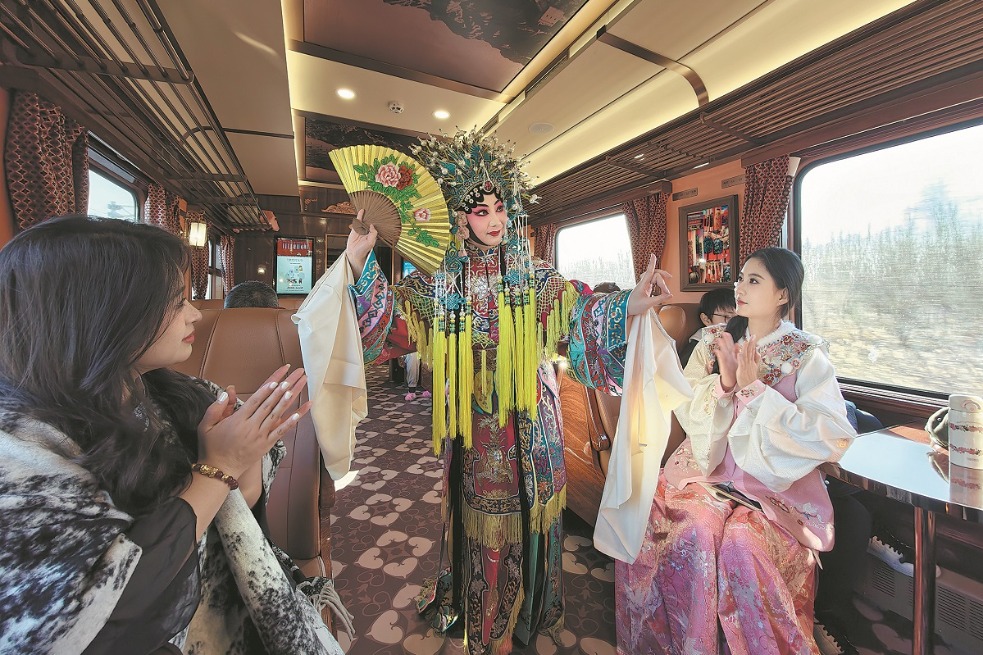
The image of Xinjiang I had before visiting the region had been shaped by Western media narratives that were mostly negative. But what I saw with my own eyes was completely different — modern cities, ethnic diversity and a strong sense of cultural pride. I observed that the authorities were making genuine efforts to balance economic development with cultural and religious preservation.
The Uygur people speak in their own language, practice their own religion and follow their own traditions, unlike the usual portrays of Western media.
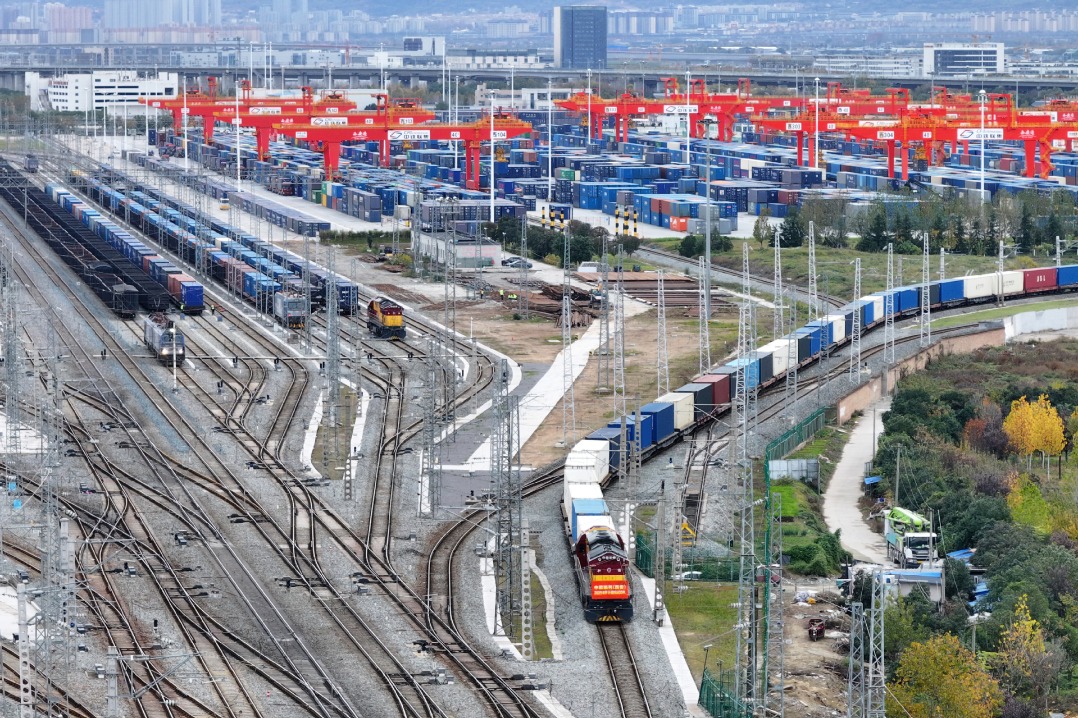
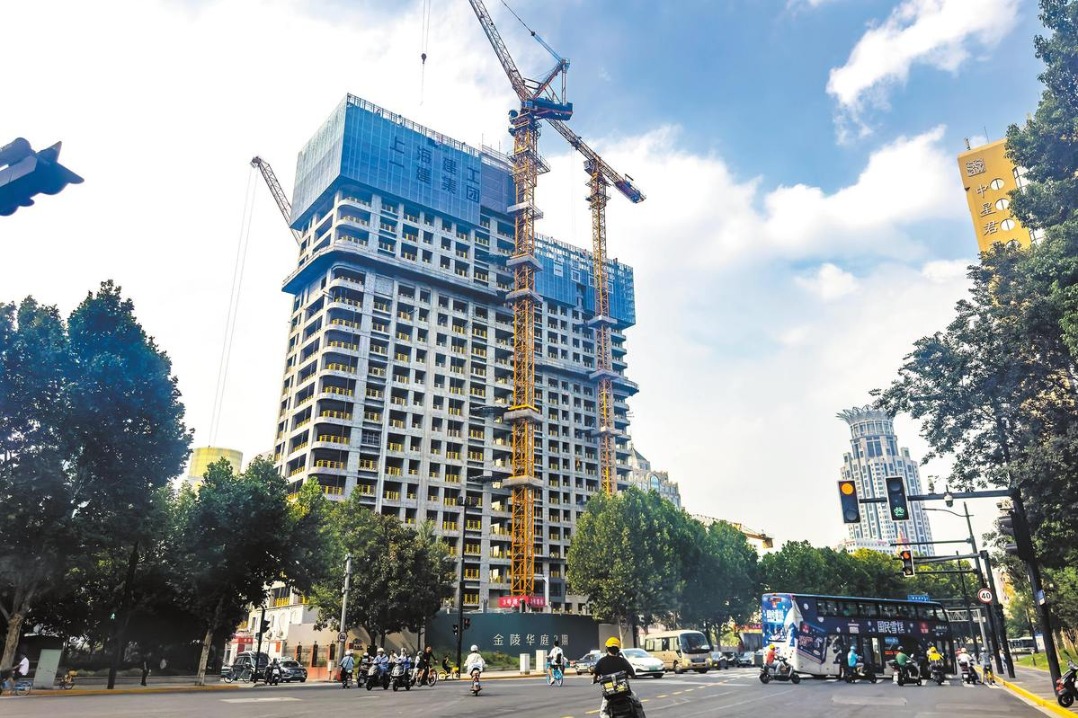
Xinjiang has undergone a significant transformation in terms of infrastructure, technology and the economy. Cities such as Urumqi and Kashgar have seen massive investments in roads, railways, and digital infrastructure as part of the Belt and Road Initiative. The region now boasts high-speed trains, smart agriculture, and widespread internet connection — even in rural areas.
More important, the region, with the central government's help and guidance, has eradicated absolute poverty, and helped many rural Uygur families gain access to healthcare and education, and employment. Xinjiang's renewable energy sector, especially its solar and wind power sectors, is also expanding rapidly, and it is positioned to become an energy hub in the future. These developments are in sharp contrast to Western propaganda that Xinjiang is an isolated, repressed region.
Xinjiang has made all these achievements because the central and regional governments' measures have succeeded in controlling the "three evil forces" of terrorism, extremism and separatism. The measures have not only strengthened security but also addressed the root causes behind the three evil forces: poverty, illiteracy, unemployment and social marginalization.
Rather than focusing solely on surveillance or only beefing up security by deploying more forces, the comprehensive measures implemented by the government helped raise the literacy rate in Xinjiang and improve the livelihoods and living conditions of the local people, and vocational education and training centers have been established. These centers teach individuals practical skills, make them proficient in the national language, and help reduce their ideological vulnerability. This is the ideal way of combining security with social investment to ensure lasting peace.
Western allegations that "genocide" is being committed in the region serve some Western leaders' geopolitical calculations. But the fact is, Xinjiang is undergoing structured development.
Western media often frame Xinjiang's policies as instruments of cultural repression, claiming "genocide" and/or "cultural erasure" is being carried out in the region. While making such baseless claims, the Western media tend to conveniently ignore the complex socio-political context of the region, especially the history of violent terrorist attacks that claimed hundreds of lives from the 2000s to the early 2010s.
The situation in Xinjiang today is different: religious freedom exists in the form of functioning mosques, access to halal food, and people's participation in Islamic festivals, and the Uygur language is still taught in schools, and used in public signage. What the Western media calls "cultural erasure" is seen locally as a restructuring toward integration and security.
That doesn't mean there are no challenges, but the binary portrayal in Western narratives is a denial of facts.
The Western media have been doing a great disservice to people across the world by spreading disinformation, instead of publishing objective reports, about Xinjiang.
Xinjiang's experience offers valuable lessons for other multi-ethnic, multi-religious regions struggling with extremism, underdevelopment and/or social fragmentation: security cannot be maintained without addressing socioeconomic inequalities; cultural identity can be preserved while promoting national integration; and governments should transparently communicate their intentions and engage both domestic and international observers to counter misinformation.
Xinjiang's trajectory shows how a mix of strategic investment, community engagement and long-term planning can eliminate extremist threats and build resilience. For regions facing similar threats, Xinjiang provides a case study worth examining, albeit with contextual adaptation. Its experience could serve as a model for other regions facing similar challenges of diversity, development, and security.
The author is an associate professor of the Political Science Department, Suez Canal University, Egypt. The views don't necessarily reflect those of China Daily.
If you have a specific expertise, or would like to share your thought about our stories, then send us your writings at opinion@chinadaily.com.cn, and comment@chinadaily.com.cn.