CPEC 2.0 a highway to shared prosperity









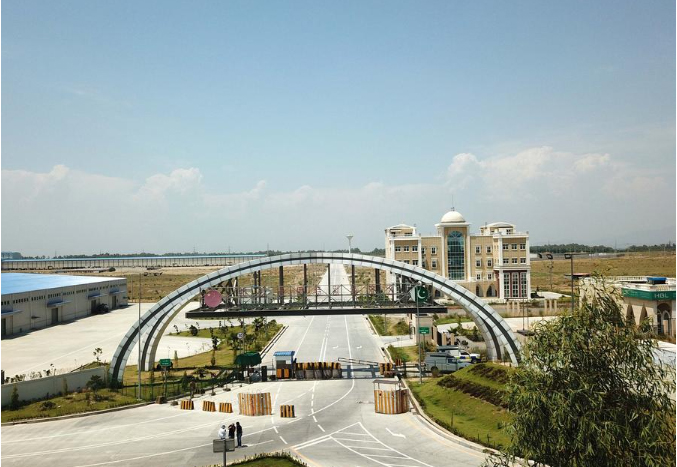
When the China-Pakistan Economic Corridor (CPEC) was launched in 2013 as the flagship of the Belt and Road Initiative, it was little more than a bold vision on paper. Pakistan was facing crippling energy shortages, inadequate infrastructure and stagnant growth. Few could imagine how profoundly the CPEC would transform the country's economic landscape within just a decade. Yet today, that vision has become a living reality, reshaping Pakistan's connectivity, energy security and development outlook while deepening our strategic partnership with China.
The first phase of the CPEC has delivered what once seemed unimaginable. In energy, 17 major projects with a combined capacity of 8,904 megawatts were completed, supported by two coal mines and the country's first 660 kV HVDC transmission line, representing nearly $18 billion of investment. These projects helped end the crippling power shortages that had darkened homes and stifled industries. The long-overlooked coal reserves of Thar are now producing electricity, powering factories and households, and providing Pakistan with much-needed energy security. For millions of citizens, the CPEC today means light in their homes, jobs in their communities, and renewed hope in their future.
Beyond energy, the CPEC's transport infrastructure has connected the country like never before. Eight major projects worth $6.7 billion have already added 888 kilometers of modern highways and motorways, while another 853 km are under construction. Among them, the Havelian — Thakot section of the Karakoram Highway stands out as a flagship, internationally recognized for its excellence and strategic significance. These highways are more than stretches of asphalt — they are arteries of commerce that reduce travel times, open new markets, and bring previously isolated regions into the fold of national development. Alongside roads, the 820-km optical fiber cable from Khunjerab Pass to Rawalpindi has given Pakistan its first land-based digital connectivity with China, while the Orange Line Metro Train has introduced modern and efficient public transport in Lahore. Step by step, the CPEC has transformed the way Pakistanis travel, trade and connect.
Nowhere is this transformation more visible than in Gwadar. Once a quiet fishing town, it is steadily evolving into Pakistan's maritime gateway. The port and its surrounding infrastructure, supported by grant-based Chinese projects, are reshaping the socio-economic landscape of Balochistan. A state-of-the-art hospital, a vocational training institute, a water desalination plant, solar home systems and the new Gwadar International Airport are not just facilities — they are instruments of inclusion, improving the lives of local communities while positioning Gwadar as a hub of regional trade and connectivity. What was once a distant dream on the map is becoming a tangible reality on the ground.
These achievements of the CPEC Phase-I, however, are not an end in themselves. Foundations alone do not build a house; they only prepare the ground. The next decade of the CPEC must go beyond laying infrastructure to driving industrialization, creating jobs, boosting exports and empowering people. The promise of Phase-II of the CPEC is to transform connectivity into commerce, infrastructure into opportunity, and partnership into shared prosperity.
The road map for this transformation is being framed at the 14th Joint Cooperation Committee meeting of the CPEC.Pakistan and China will align the next phase with Pakistan's National Economic Transformation Plan, built on the framework of the 5Es: Exports, E-Pakistan, Energy/Environment and Equity &Empowerment. To deliver on these priorities, the CPEC Phase-II will advance through five new corridors of cooperation: growth, innovation, green, livelihood and regional connectivity. Each of these represents not just a project stream, but a vision of how Pakistan and China can shape a sustainable and inclusive future together.
Already, progress is visible. Special economic zones (SEZs) are being developed, offering tax incentives, customs exemptions and modern infrastructure to attract investment. With affordable labor, a strategic location and improving energy and logistics, Pakistan is emerging as a competitive investment destination at the crossroad of South Asia, Central Asia and the Middle East. These SEZs will not only bring in investment but also integrate Pakistani businesses into global value chains, create thousands of jobs, and expand exports.
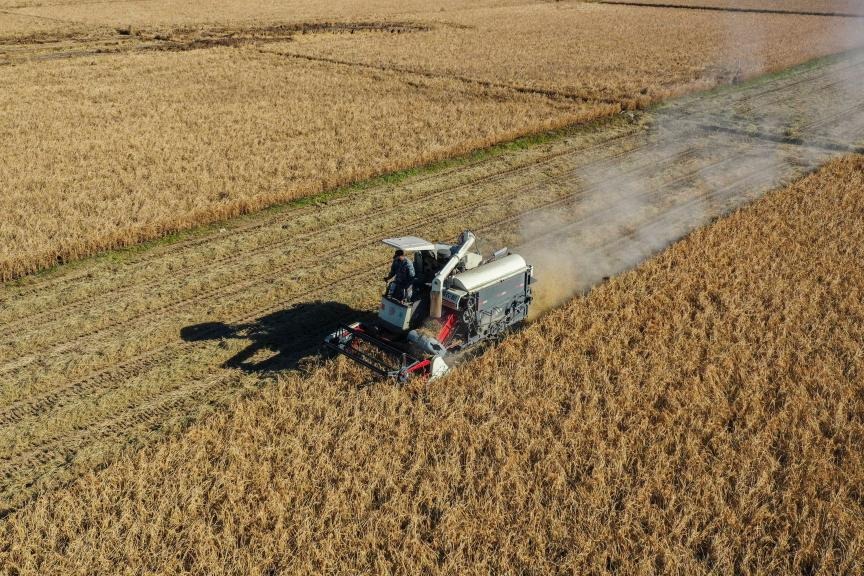
Agriculture, too, is beginning a new chapter. Pakistan has begun exporting red chillies, sesame, beef and animal skins to China, marking the rise of agriexports under the CPEC. But the real opportunity lies in modernization. By introducing advanced technologies, improving research, and applying modern farming practices, we can significantly increase yields, reduce post-harvest losses and improve farmer incomes. Collaboration with China's Xinjiang Uygur autonomous region, where agricultural technology is highly developed, offers great promise for accelerating this transformation. A modernized agriculture sector will not only ensure food security but also open new export markets, creating opportunities for rural communities and strengthening the national economy.
Technology and innovation will serve as another pillar of the next phase. Dedicated joint working groups on science and technology and information technology have been formed to drive collaboration in cutting-edge fields such as artificial intelligence, e-commerce, and digital connectivity. Investments in fiberoptic networks, digital skills training, and e-governance will build the foundations of a knowledge-based economy. For Pakistan's youth, this means not only competing globally in the industries of the future but also ensuring that the benefits of digital transformation reach every citizen.
The shift from government-to-government projects to business-to-business partnerships will define the CPEC Phase-II. Private capital, entrepreneurial energy and technological innovation must now become central drivers of the corridor. This transformation is already taking shape. In the recent Pak-China B2B Investment Conference in Beijing, nearly 800 firms from both countries participated, resulting in joint ventures and MoUs worth $8.5 billion. Such partnerships demonstrate the vast opportunities for collaboration and innovation beyond traditional state-led projects.
To succeed, however, inclusivity and sustainability must be at the heart of the CPEC's next phase. The benefits of this partnership must reach not just the major cities, but every province, district and household. Equity and empowerment will ensure that prosperity is shared widely, while environmental safeguards will guarantee that growth is climate-resilient and sustainable. Pakistan has also taken strong measures to ensure the security of CPEC projects and personnel, recognizing that peace and stability are the essential foundations for progress. Our commitment to providing a safe, enabling environment for investment and development remains unwavering.
The first decade of the CPEC gave Pakistan new roads, new power plants and a new port. The next decade will give us new industries, new technologies, new markets, and above all, create new opportunities for our people. It will create jobs, expand exports, strengthen sustainability and deepen regional integration. As Pakistan and China enter this next chapter, the challenge is not just to build more infrastructure, but to turn infrastructure into opportunity, and opportunity into prosperity.
The first decade of the CPEC changed Pakistan's landscape. The next decade can change its destiny. Together, Pakistan and China must ensure that the CPEC is not just remembered as a corridor of concrete, but celebrated as a corridor of hope, progress, and shared prosperity for our two nations and for the wider region.
The author is minister for Planning, Development and Special Initiatives, Pakistan.
The views don't necessarily represent those of China Daily.