China is aging at a fast pace. According to data from the National Bureau of Statistics, by the end of 2024, the number of elderly people aged 65 and above in China had reached 220.23 million, accounting for 15.6 percent of the total population. However, a research report from a think tank of The Economist indicates that among the 80 countries surveyed, China's quality of death index ranks 71st globally.
"When every family faces the dilemma of elderly care and end-of-life arrangements, a dignified departure becomes a luxury, and that is not a good sign. It reflects our lack of death education," said Jing Jun, a sociology professor at Tsinghua University. Other sociologists also noted that it is the harsh reality of aging that has spurred this trend of death education.
The rise of death education is manifested at multiple levels: nationwide pilot programs for hospice care hospitals, the promotion of the "living will" initiatives in communities such as a few in Shenzhen, Guangdong province, and the introduction of death education as an elective course in universities.
Furthermore, art exhibitions, with their unique emotional resonance, are becoming an important vehicle for advancing this dialogue, sparking reflection and discussion among people of all ages.
Art against taboo
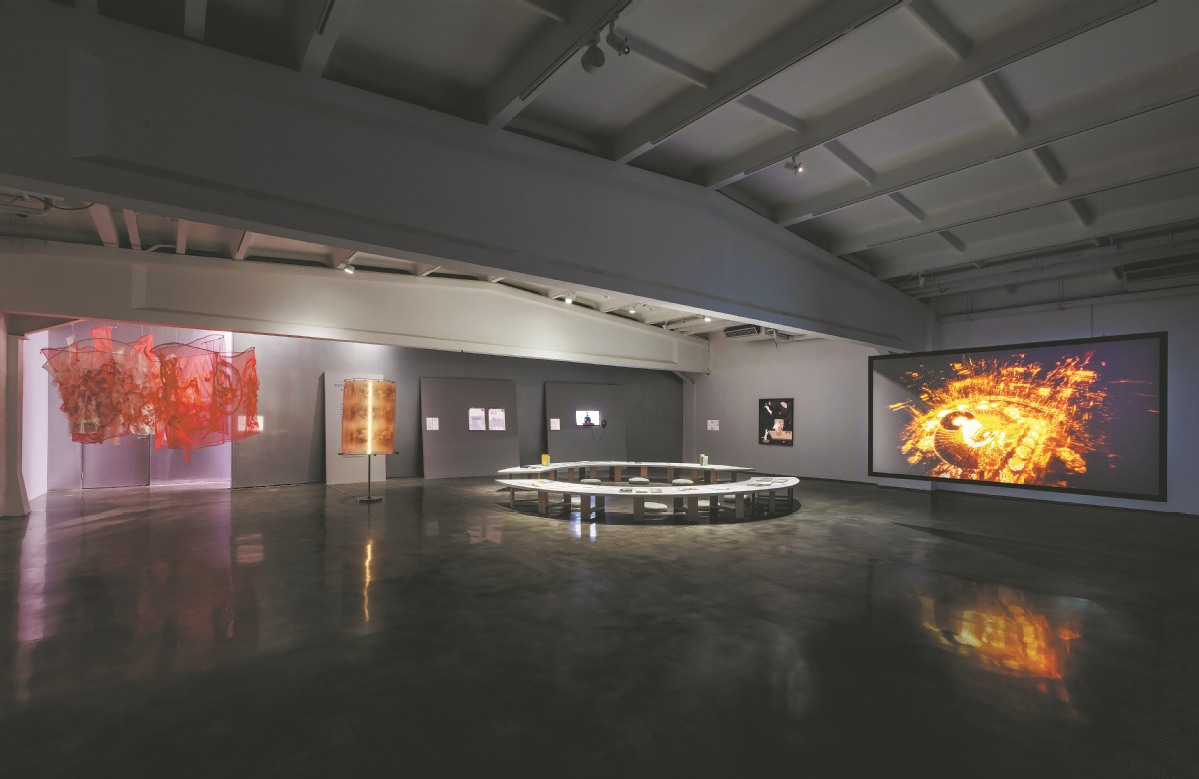
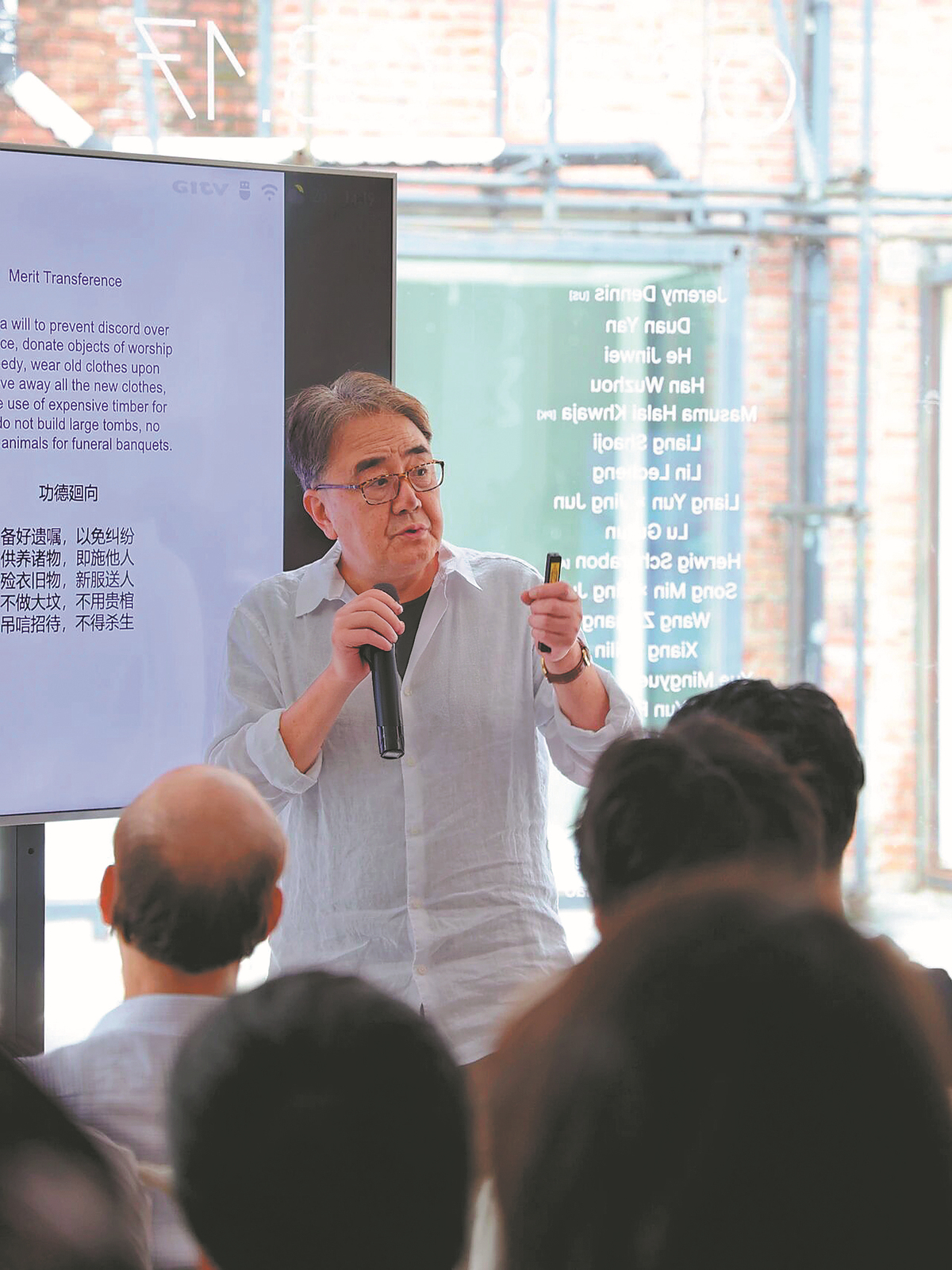
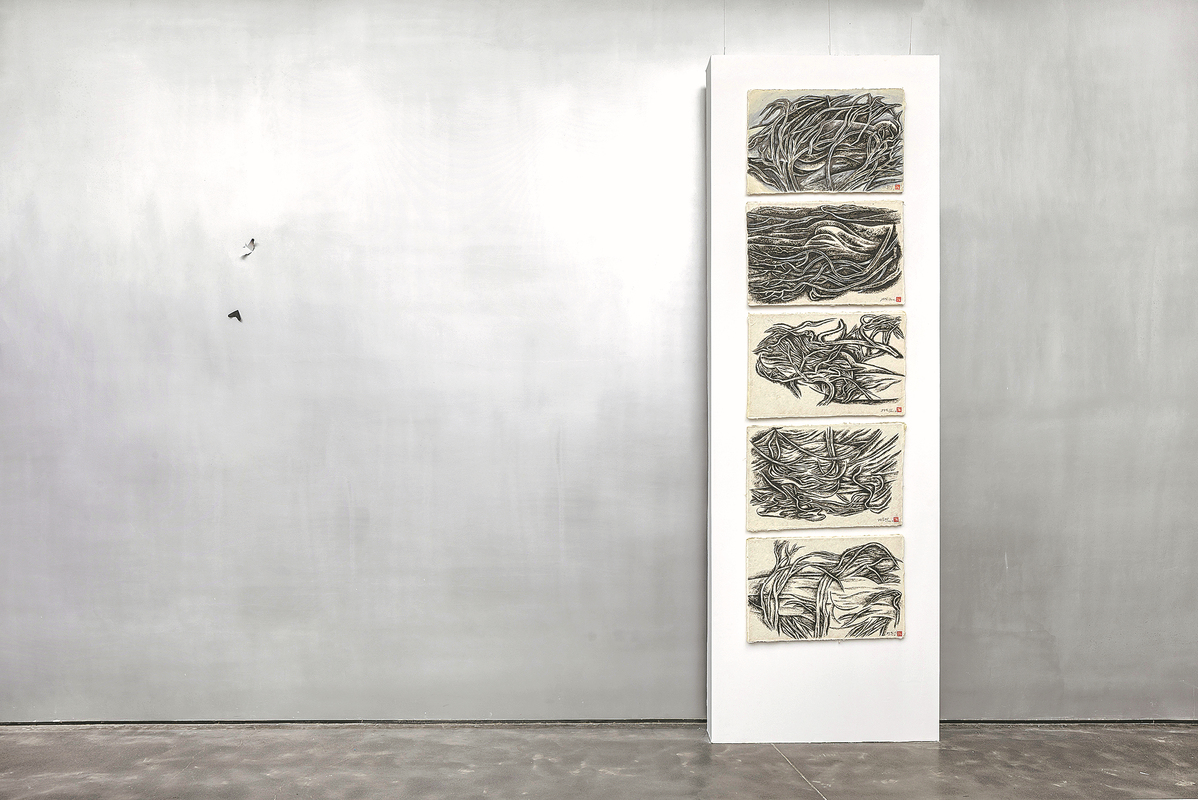
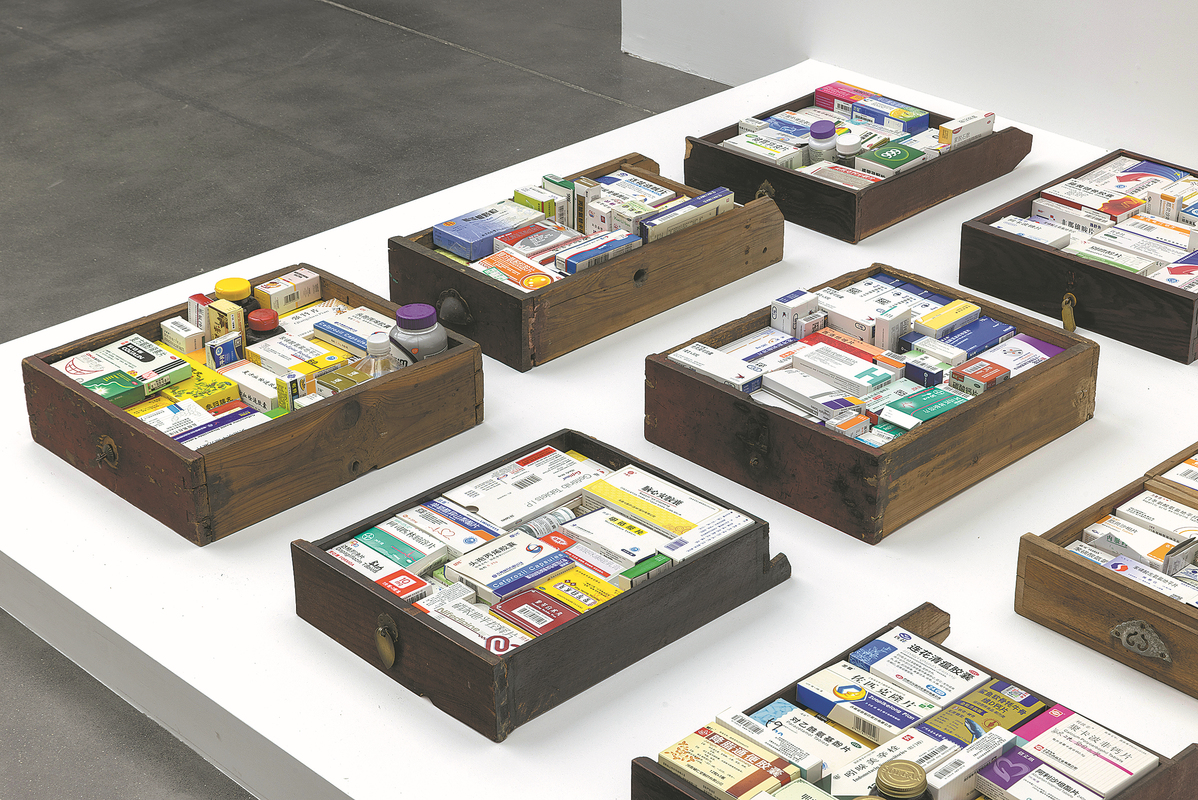
An exhibition on death held in Beijing spent two months stirring public discussion on the topic through artistic means. Starting from June 28, the exhibition displayed death-related installations, paintings, video art, and featured a documentary reading area. It regularly held lectures and seminars on life quality during weekends.
Shi Qing, a tourist from Hebei province, who visited the exhibition, said: "The exhibition is titled 'Bringing Death Back to Life'. Through art, it reintroduces this usually avoided topic into everyday conversations."
Co-exhibitor Zhou Wenjing personally experienced reconciliation with death. "When mothers suffered severe bleeding during the removal of an intrauterine device (IUD), that moment made many people realize that we must face the painful moments in life," she said.
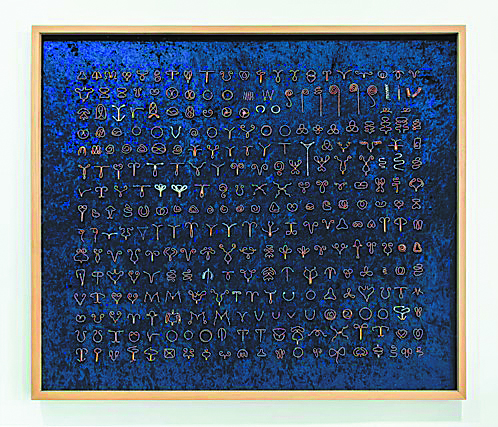
Her artwork "Intrauterine Devices" embeds 300 copper IUDs on blue velvet. The clash between cold instruments and soft materials provokes deep reflection on life control. Her work sparked extensive discussion on Chinese social media, generating over 40,000 comments and more than one million words of online discourse.
Many viewers said they believed that the meaning of life quality should be "contemplated, and that such education and discussions should be embraced from more dimensions".
Artist Yun Feng's artwork "Heading Toward Where The Light Is" places moth sculptures throughout the exhibition space. "Hospice doctors tell patients to 'walk toward the light', which made me think of the image of moths flying into a flame — both the end of life and a final yearning," he said.
Through aesthetic transformation, these works make the topic of death more palatable.
The exhibit that left the deepest impression on visitor Li Qi was the "Memorial Bear," a teddy bear made from the clothing left behind by a deceased loved one, embodying the grief and longing of surviving family members.
"Seeing those memorial bears sewn from the clothes of the deceased, I suddenly understood what it means for grief to require materialization," she said. The emotional resonance is precisely the unique ice-breaking power of art.
Humanistic care
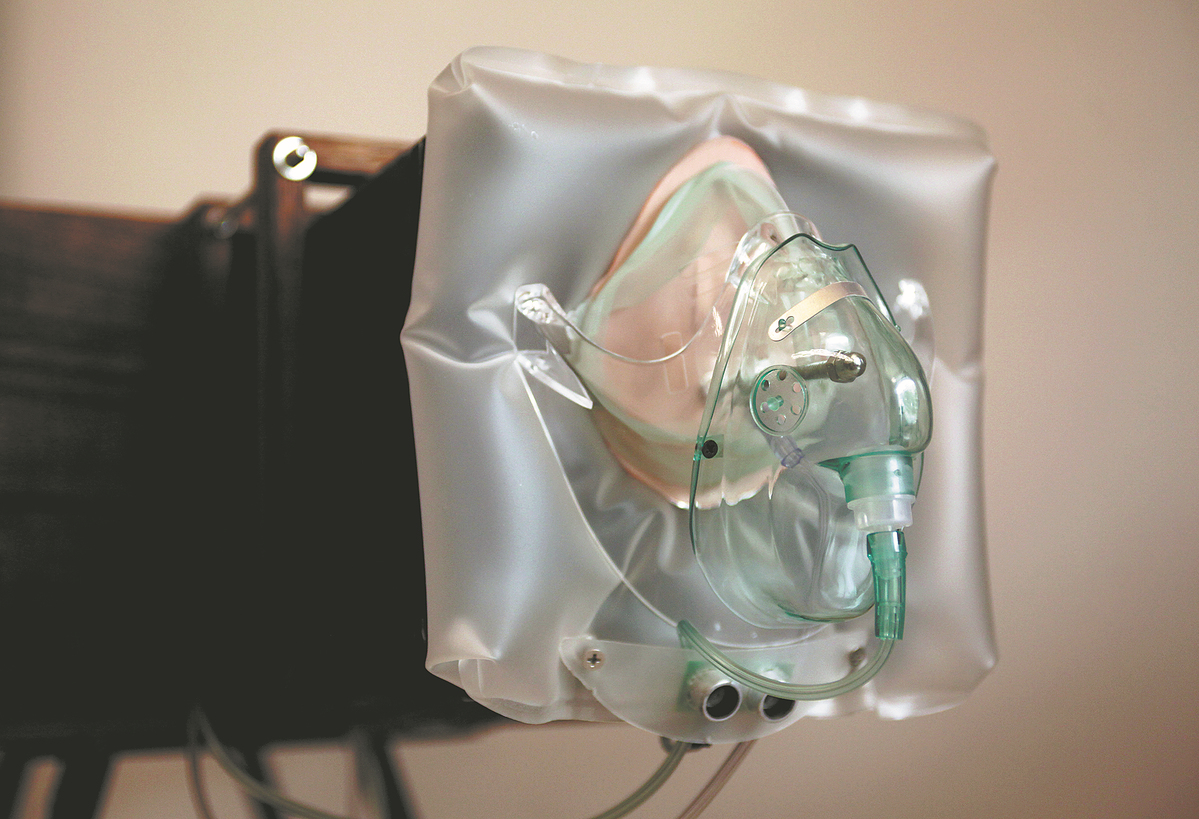
Many scholars have pointed out that in China, death has been transformed from a "family event" into a "medical event" over the past decades. The interactive installation "Breath "at the exhibition simulates the operation of an ICU ventilator. When the mechanical sound shifts from steady to frantic before abruptly stopping, viewers experience the end of life under technological intervention.
"Modern medicine often allows people to die alone, surrounded by medical devices," said Lu Guijun, director of the pain management department at Beijing Tsinghua Changgung Hospital. He conducted lectures at the exhibition, advocating for allowing death to "return from the hospital to the setting of life".
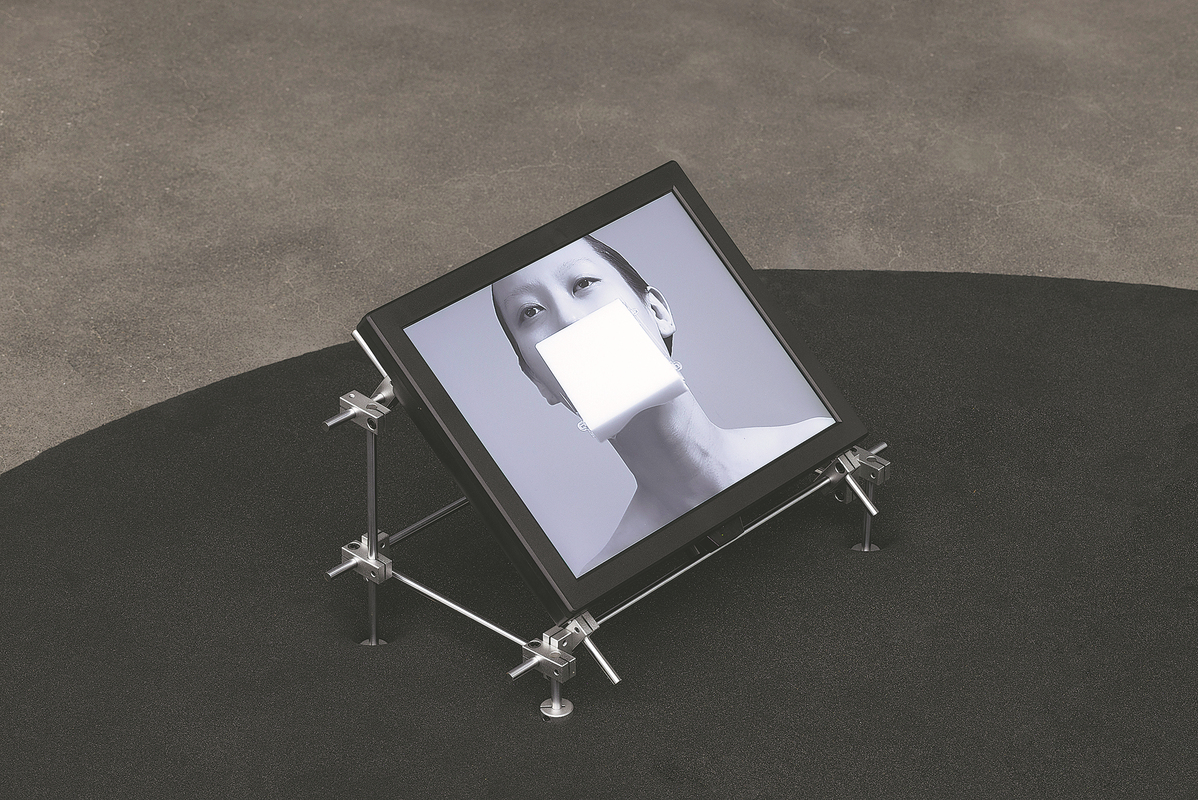
This paradigm shift is occurring at a systemic level. "The 'Death Narrative Study' by Professor Jing's team collected 146 texts and found that dying people in China commonly exhibit fanxiang guanhuai (reverse care), where patients strive to care for others even in the final stages of their lives," said Song Min, a young researcher specialized in palliative care at Tsinghua University.
"This overturns the traditional view of the dying as passive recipients, showcasing a self-awakening of life dignity," said a participant surnamed Qian, who suffers from multiple chronic illnesses. At 86 years old, she no longer fears death itself and expressed her wish to do more for her family in her remaining days.
She said she believes that "many elderly people share similar thoughts, and such ideas need to be conveyed to the younger generation in appropriate ways. At home, such topics are not often suitable for discussion, making seminar settings highly necessary."
Behind this trend lies Chinese society's broader reflection on life quality. Liu Jian, deputy director of the population and culture development center of the National Health Commission, said: "The quality of death will inevitably become an important component of people's aspiration for a better life."
This trend in death education is also reshaping public policy. Shanghai has promoted "home hospice care beds" in communities; Guangzhou has piloted "medical insurance payments for end-of-life care"; and more cities are integrating death education into community health service programs. Meanwhile, the exhibition plans to tour six cities across China, promoting the formation of community-level dialogue mechanisms on death.
"The wisdom about life and death in traditional culture is being rediscovered," said co-exhibitor Yue Mingyue, pointing to an artwork made of silk. "The Chinese saying shengsheng buxi (life thrives endlessly) inherently contains a profound understanding of the cycle of life and death."
In this rapidly aging nation, art exhibitions have become catalysts for civilizational advancement — prompting Chinese people to reflect not only on the importance of good birth and good life, but also on good death.
"When 300 IUDs are no longer merely symbols of family planning and moths flying into flames metaphorically represent the pursuit of life at its end, a nation is rethinking how to reconcile with death and make farewells a complete part of life, and that would be beneficial to society in the long term," said Zhou, the event's exhibitor.
weiwangyu@chinadaily.com.cn