



Ensuring safety and transparency in 'pre-made' food









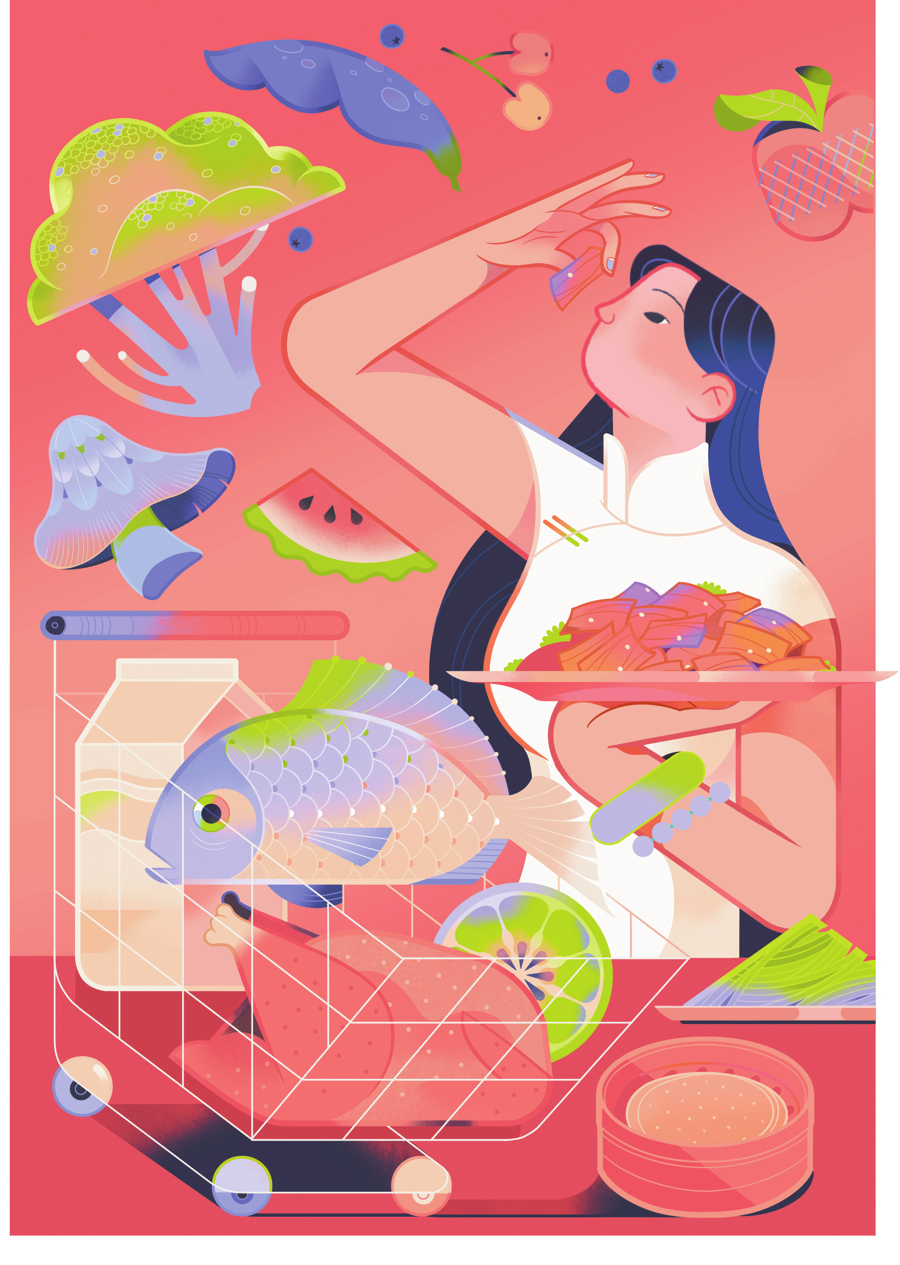
'Different strokes for different folks" applies as much to dining as to anything else. Food preferences are not just about flavors; they are also about where the ingredients come from, how they are processed, and what cooking methods are used. Which of these details should be disclosed to consumers is not only a marketing decision for many restaurants but also a regulatory question. Left unchecked, incomplete or misleading information could spark disputes, damage trust and even raise food safety concerns.
The controversy over "pre-made" dishes in China shows just how divisive this issue has become. Some diners welcome convenience, while others reject the lack of wok hei (the smoky freshness of stir-fry). Yet whichever side people are on, one thing is clear: they prefer to be kept "well-informed".
However, there is a sharp perception gap between what consumers seek and what restaurant operators offer. Equally important, legislation on food product labeling has not kept pace with the fast-paced changes in the food and agricultural industries; there isn't even a consensus on what exactly counts as a pre-made dish.
The rising sales of premade dishes in China can be attributed to the rapid industrialization of the dining sector. To meet the demand for speedy service, and a wide variety and scale of dishes, restaurants nowadays increasingly rely on semi-finished dishes sourced from their "central kitchens". These dishes are stored, shipped and reheated in branch outlets. The same model powers meal delivery platforms, where standardized packs dominate. Frozen and/or shelf-stable pre-prepared meals have entered households across the country.
But despite the growing efficiency of the industry, consumer concerns have increased. In practice, restaurateurs tend not to see their offerings as pre-made. But consumers often do, because they focus on how the food is sourced and prepared.
This clash of perspectives matters. A dish that comes out of the kitchen is a "restaurant meal", regardless of whether its sauce was mixed and packaged in a factory. Yet outsourcing preparatory work changes the essence of the meal. It affects price, freshness, and even the cultural meaning of a dish. Globally, food law has increasingly tilted toward this process-oriented approach, demanding transparency in areas from irradiated and genetically modified foods to organic labels.
How, then, should pre-made dishes be regulated? The answer depends on whether we treat them as a product or a process. If they are treated as products, legislators could adopt a "menu-style" approach while drafting regulations, and setting specific rules for each type of pre-made dish. But given the diversity of Chinese cuisine, it would be impractical and stifling. Instead, broad rules on additives, hygiene and labeling, already applied to packaged foods, would be more realistic.
If the focus is on the process, consumers would want to know whether the dishes they ordered were made from scratch or prepared industrially, not because one is inherently safer, but because it reflects values such as sustainability, tradition, taste and price sensitivity. And process transparency allows consumers to make meaningful choices, much like organic or fair-trade labels do.
Both approaches have to follow a common principle: the labels must not be misleading. The government recognizes the importance of pre-made food as an industry. The 2023 "No. 1 central document" explicitly encouraged its growth, and the government is working to set national standards. With the 15th Five-Year Plan (2026-30) to be implemented next year, some local governments, too, are building industrial bases to boost the production of pre-made dishes. For policymakers, the challenge is to nurture this economic opportunity while safeguarding consumer trust.
To do that, however, the companies need to adhere to the principle of transparency. Voluntary labeling by businesses can help even niche consumer groups, which have higher expectations, make informed choices, and could even allow restaurants to position themselves as different from others.
But bridging the gap between public perception and professional definition requires more than just rules. It calls for sustained communication about what is pre-made food and what is not. Done right, regulations can ensure consumer choice and trust, industrial innovation and cultural confidence all grow together.
The author is a researcher at the Center for Coordination and Innovation of Food Safety Governance, Renmin University of China.
The views don't necessarily represent those of China Daily.
If you have a specific expertise, or would like to share your thought about our stories, then send us your writings at opinion@chinadaily.com.cn, and comment@chinadaily.com.cn.





