



'New quality productive forces' fuel inclusive growth









In an age obsessed with technology, it is easy to overlook what truly matters. China's focus on "new-quality productive forces" in the recommendations for the 15th Five-Year Plan (2026-30) is a decisive strategic shift that emphasizes technology-driven growth. Yet its real significance extends beyond high-tech hardware and cutting-edge platforms. The strategy's true potential, and its most critical component, rests on a human-centric vision, a commitment to nurturing strategic discernment among leaders, managers and the workforce. This is what will prioritize not just the "what" of technology, but the "why" and "how" of its application.
The main challenge of our technological era is not a shortage of innovation, but the inability to utilize it optimally. This often leads to a polarized response: some organizations rush to adopt every new tool, while others hesitate out of fear. Our research shows that technologies such as generative AI have a high potential for disruption, and are able to capture headlines and boardroom attention. But when it comes to industrial maturity and impact in the real world, they often lag behind more integrated systems like descriptive AI which quietly powers logistics, customer segmentation and predictive maintenance.
Developing new quality productive forces, therefore, requires building a new quality of human capital. It means nurturing leaders who can distinguish between innovation that dazzles and innovation that delivers. People who look beyond the hype, understand that no technology is universally relevant, and are able to evaluate innovations based on their practical impact. The goal is to build a culture of digital discernment where leaders ask not just how fast a new technology can be deployed, but whether its adoption aligns with strategic goals.
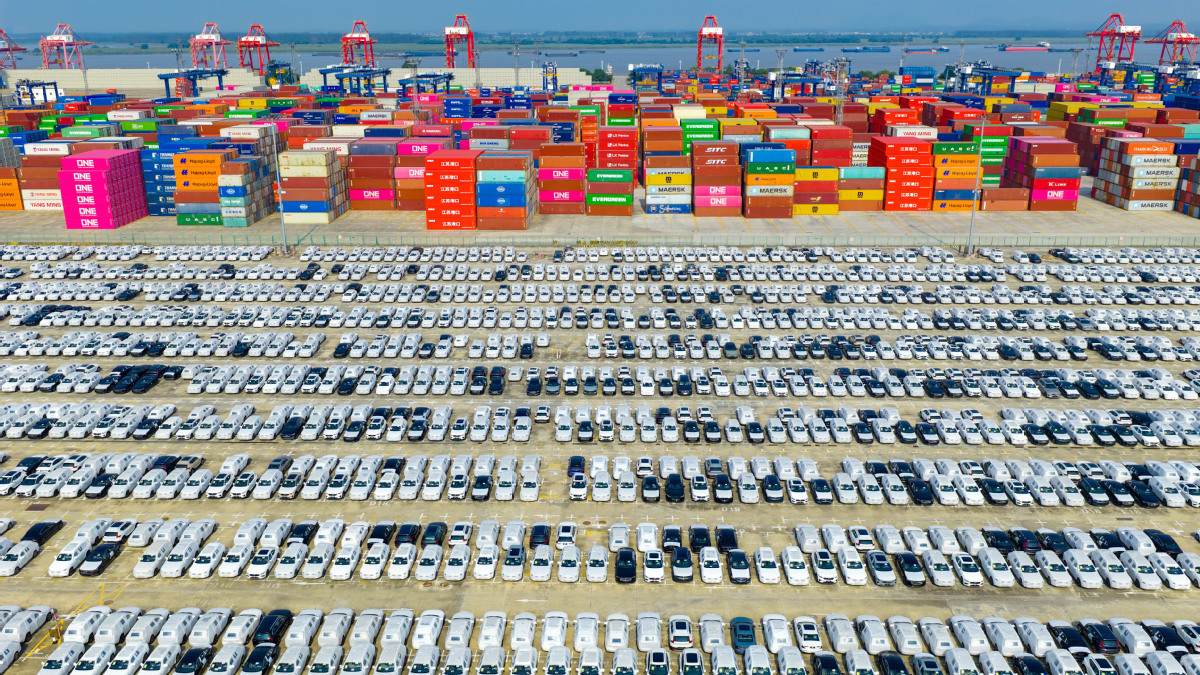
China already holds an edge in this regard. Its innovation ecosystem has shown a rare ability to connect technology with real-world use cases. The country's new energy vehicle (NEV) industry is a perfect example. China has not become a global leader by simply producing more cars, but by developing a sophisticated cross-border supply chain as part of its "dual circulation" model that balances a strong domestic economy with international trade. This extensive web of partnerships, spanning sourcing of raw materials, components and expertise, demonstrates how intelligent coordination can create a competitive advantage. The success of this ecosystem depends not just on hardware or capital but on the decision-making ability of people who can evaluate, adapt and optimize technologies across the value chain. Managers and engineers must know which robotic systems best suit assembly lines, how to deploy AI for logistics and self-driving cars, and what mix of renewable energy aligns with the national objectives of dual carbon goals and green modernization.
The same principle applies to the use of AI in industries. The framework of new quality productive forces favors purposeful AI: applications that drive shared prosperity rather than isolated disruption. Instead of hyped-up ideas, it focuses on scaling practical and value-oriented solutions that address common challenges and can lead to improvements in productivity. For instance, shared data platforms to make agriculture smarter and more sustainable, AI-powered diagnostics that bring healthcare to remote villages and integrated logistics networks that boost cross-border e-commerce while reducing costs.
For such transformation to spread across the Asia-Pacific, regional partners need more than just access to algorithms. They need to build their own capacity to use AI applications and govern them. That requires joint training programs, collaborative platforms and neutral spaces for dialogue. By co-creating these with its neighbors, China can help them become architects of their own digital future and ensure that AI serves their respective economic and social goals.
A human-centric approach to new quality productive forces also broadens the scope of regional cooperation. Aligned with initiatives such as the Digital Silk Road, this model goes beyond exporting hardware. There is a clear opportunity to co-develop the human capital for digital transformation. That means training leaders, setting common technical standards and creating frameworks for ethical AI governance. This way, China can help its regional partners build their own capabilities and create a more integrated and capable digital ecosystem. This approach strengthens regional trust and positions China as a facilitator of inclusive growth.
In essence, the highly expected 15th Five-Year Plan's emphasis on new quality productive forces will integrate technological innovation, supply chain optimization and investment in human capital. The central argument here is that the first two can accelerate growth, but only the third can sustain it. The human element should remain central. By cultivating a discerning workforce that understands not only "how" to use new tools but also "why" they matter, China has an opportunity to redefine productivity for the 21st century. It is not just building a new economic model, but also fostering a more sustainable and inclusive digital future.

The views don't necessarily reflect those of China Daily.
If you have a specific expertise, or would like to share your thought about our stories, then send us your writings at opinion@chinadaily.com.cn, and comment@chinadaily.com.cn.





