



Blockbuster movies shaping IP ecosystem of cultural exchange









China's total box office revenue exceeded 51.8 billion yuan ($7.41 billion) in 2025, rising 22 percent over the year before. It is easy to observe that much of the market's momentum has been driven by blockbuster intellectual property franchises and these high-profile IPs have extended their influence far beyond the cinema screen.
For example, Zootopia 2 has become the highest-grossing imported film in Chinese box office history, earning more than 4.25 billion yuan. What proved even more striking, however, was the frenzy beyond the theater. Cashing in on the euphoria of the film's release, more than 60 domestic brands reportedly launched co-branded products, spanning apparel, designer toys, coffee, snacks, cosmetics, automobiles, mobile games and even airlines. Nearly every major consumer category was covered.
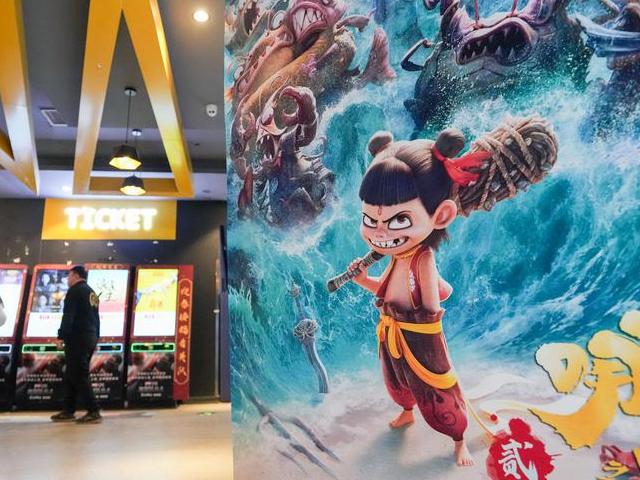
Similarly, the domestic IP Ne Zha: Demon Child Conquers the Sea (Ne Zha 2) saw its post-film merchandise gain momentum over nearly a year, partnering with more than 23 brands across sectors such as maternal and child care, digital products, food and beverages and collectible toys. By incorporating traditional Chinese cultural elements during festivals such as the Mid-Autumn Festival and the Dragon Boat Festival, the franchise achieved an estimated total commercial value of 30 to 35 billion yuan.
In the past, film revenues relied mainly on box office receipts and copyright sales. Today, the post-film industry has become a powerful magnifier of IP value. Data show that for mature film IPs, post-film products can account for over 60 percent of total revenue, far exceeding box office earnings.
From themed IP zones in Disney and Universal Studios to superhero games in the Marvel universe, and from science education programs derived from The Wandering Earth, a 2019 Chinese sci-fi film loosely based on the 2000 short story of the same name by Liu Cixin, to other cross-media adaptations, the post-film industry is building a fully integrated IP ecosystem linking film, television, literature, toys and games. For audiences, affection for IPs is no longer confined to 90 minutes in a cinema but is woven into everyday life.
The rapid growth of the post-film industry has also opened new avenues for cultural exchange between China and the rest of the world. High-quality foreign IPs and their post-film products are allowing audiences in China to experience the appeal of different cultures beyond the screen.
For instance, the Avatar series extended its influence through Pandora-themed merchandise that not only satisfied fans' desire to collect but also helped disseminate ideas such as environmental protection and harmony between humanity and nature. During the release of Avatar: Fire and Ash at the end of last year, China-exclusive co-branded products featuring ink-wash aesthetics creatively fused Eastern artistic traditions with an extraterrestrial civilization, becoming a highlight of cross-cultural interaction.
In the past, Chinese films largely relied on festivals and exhibitions for overseas exposure. Today, the post-film industry enables Chinese IPs to enter global consumer markets directly.
For example, non-heritage-themed figurines of the Ne Zha series were showcased at a cultural and creative exhibition in Paris last year. The phenomenal game Black Myth: Wukong sparked tremendous enthusiasm in Western markets in 2024. These successes demonstrate the vitality of products rooted in Chinese cultural values and highlight the unique appeal of Chinese IPs on the global stage.
Hollywood, on its part, has actively adapted its IP strategies to the Chinese market. Zootopia 2, for instance, was released during the Year of the Snake and promoted a key character, Gary the snake, whose name was humorously localized for Chinese audiences. Shanghai Disneyland adjusted the operation of its Zootopia zone in sync with the film's promotion, creating festive experiences tailored to the Year of the Snake.
Disney collaborated with Shanghai Animation Film Studio to produce a collection of four shorts titled A Day in the Life of Zootopia, adopting visual styles inspired by traditional Chinese paper-cut and ink animation to tell side stories from Zootopia. Such localization reflects respect for local culture, fostering a two-way cultural exchange that enriches both Chinese and international IP landscapes.
For the future of Chinese cinema, cross-media IP communication in the post-film era presents both opportunities and challenges. Achieving genuine international reach requires more than capitalizing on IP popularity; it demands sustained efforts to tap into local cultural roots and tell compelling Chinese stories.
While valuable lessons can be drawn from successful foreign IPs, it is essential to preserve cultural distinctiveness. Each story should carry the spirit of Chinese culture. Also, engagement with global IPs calls for openness and humility, combining the absorption of advanced creative concepts and operational models with cultural independence, so that Chinese film IPs can achieve strong recognition and competitiveness worldwide.
The box office revenue in 2025 is a marker of the accelerating momentum of the post-film era. As international film exchanges deepen, Chinese cinema must continue to learn from global experience while confidently sharing its own cultural narratives. At the heart of this endeavor lies sincere storytelling. Only by telling stories that genuinely resonate can IP value remain vibrant, the post-film era flourish, and Chinese cinema secure its place on the global stage, radiating its distinctive cultural appeal.
The author is a professor at the School of Music and Film of Tianjin Normal University.
The views don't necessarily represent those of China Daily.
If you have a specific expertise, or would like to share your thought about our stories, then send us your writings at opinion@chinadaily.com.cn, and comment@chinadaily.com.cn.





