Waiting for Europe's answer under the glow of a winter night in Brussels










On Saturday afternoon, my phone buzzed with a familiar notification. United States President Donald Trump had posted again on his Truth Social platform. My first reaction: there goes my weekend.
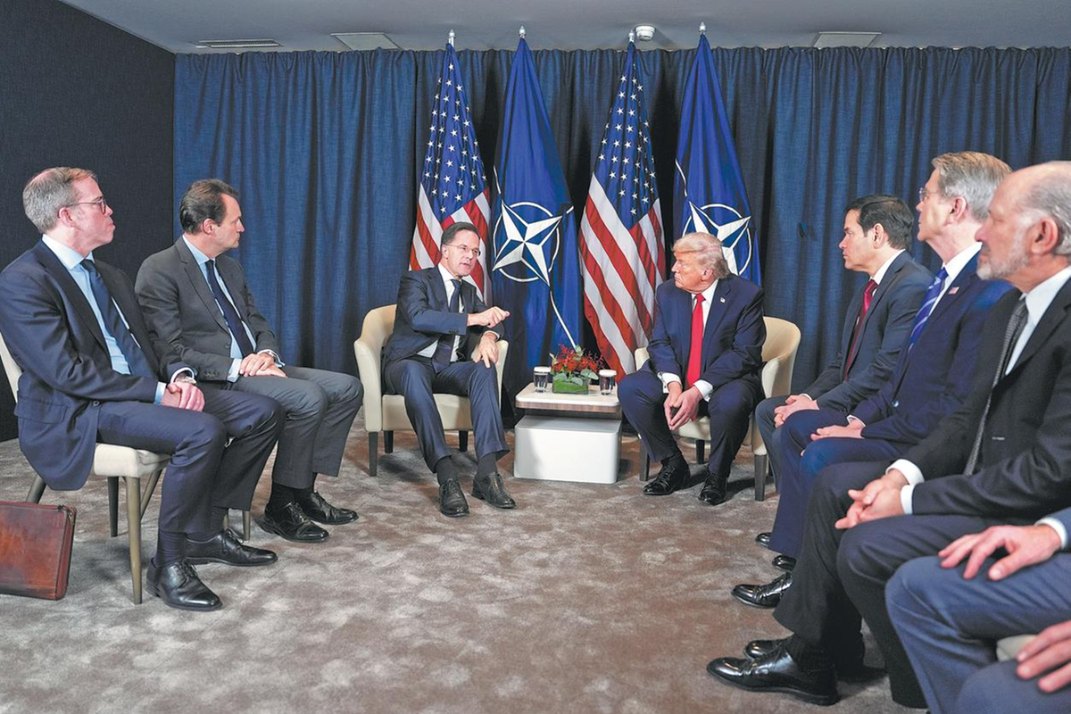
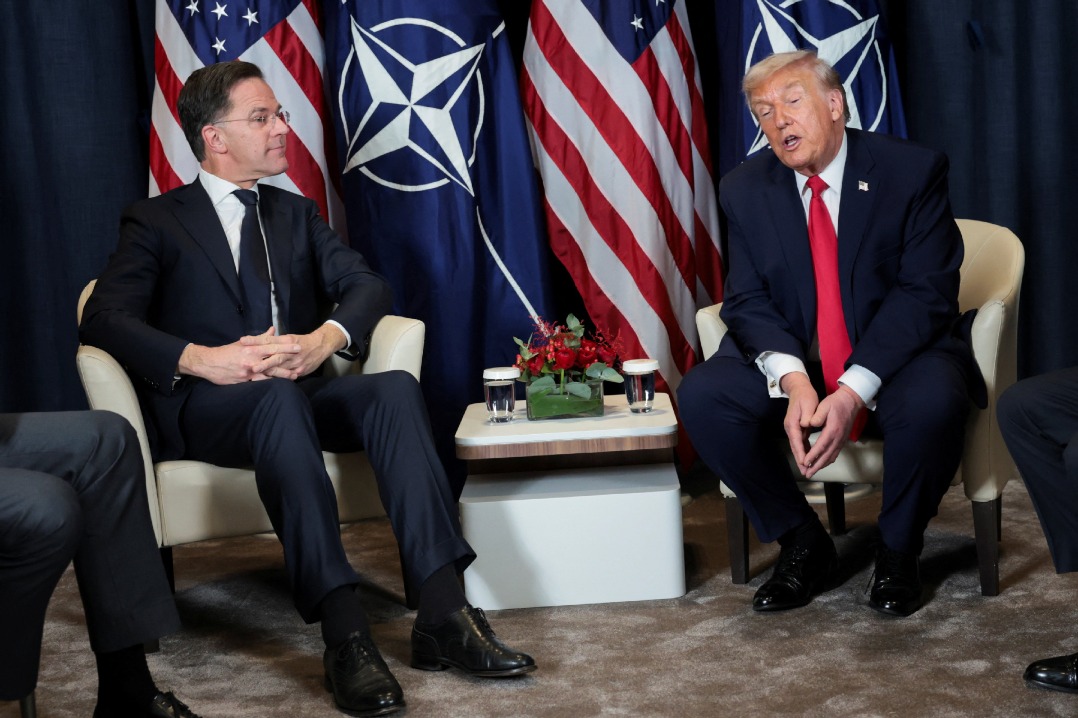
The post contained no image, just a blunt, shocking message. Trump accused Europe of being uncooperative with the United States' plan to "purchase" Greenland. As punishment, he announced a 10 percent tariff increase on eight European countries, including Denmark, Germany, France and the United Kingdom. If Europe continued to resist until June 1, the additional tariff would rise to 25 percent, Trump said.
The implications were obvious and explosive. Greenland is an autonomous territory of Denmark, and any attempt to coerce its transfer strikes at the core of European sovereignty and territorial integrity.
Besides, the whole thing sent a grave signal that Washington was openly threatening allies with economic punishment over territorial demands. My instinct told me the European Union would not let this pass quietly.
About three hours later, that instinct was confirmed. Another alert arrived: Cyprus, the EU's rotating presidency, had invited representatives from all member states to attend an emergency meeting on Sunday to discuss the US measures.
I had been almost expecting this message, but when it finally came, I still felt a sense of relief like the moment when the other shoe finally drops. Ignoring the unwritten rule against disturbing people on weekends, I immediately began emailing European policy experts I knew, asking for their assessments. At the same time, I checked my equipment bag, mentally preparing for a long day ahead.
The meeting was scheduled for 5 pm on Sunday at the European Council location in Brussels, where most meetings are held behind closed doors.
For journalists, that means waiting outside, often for hours. Reporters usually cluster in the small square between the European Council and the European Commission buildings, setting up live broadcasts while closely monitoring any official signals, hoping to file stories the moment news breaks.
Adding to the challenge, the Belgian capital sits at 50 degrees north latitude, and winter light is scarce. In January, there are only occasionally brief windows around midday when there is enough natural light for on-camera reporting, and one must be lucky enough to have sunlight that day.
Journalists have to compete for good positions during the time, and I, having arrived early enough to secure a decent spot, completed my live report in time. The moment I packed up and stepped away, another colleague seamlessly slid into place, tripod already adjusted, ready to go.
After that came the hardest part of the job: waiting.
For several tense hours that afternoon and evening, my attention was split three ways. I tracked the European Council's movements, watching for signs that delegates reached a consensus and made it public. I constantly refreshed social media to gauge public and political reaction. And I checked my email and messaging apps repeatedly, anticipating feedback or instructions from my editor.
During that window, the eight European countries targeted by the US tariffs released a joint statement, accusing Washington of undermining trans-Atlantic relations and warning of a "dangerous downward spiral". The message was clear: Europe would not fold under pressure. That alone was news worth sharing with the world.
Almost at the same time, one of the experts I'd contacted earlier replied with analysis of the evolving situation. I quickly drafted a story incorporating both the statement and expert commentary and sent it to my editor. For a moment, the tension eased, but the EU's position was still to come.
It wasn't until almost 9 pm that information emerged, as European Council President Antonio Costa reaffirmed the bloc's unwavering support for Denmark and Greenland, stating the EU's "readiness to defend ourselves against any form of coercion". A special EU summit would also be held on Jan 22, dedicated entirely to the Greenland issue.
Compared with earlier reactions, the EU's stance had hardened noticeably. That was the clearest, broadest and most up-to-date collective position the EU had taken since the crisis began.
It reflected a shared recognition of the US threat and a unified response. We immediately published the update and shared it across social media platforms, ensuring that audiences worldwide were informed of the EU's latest move.
By the time we finished filing, darkness had fully settled over Brussels, and the small square where I'd filmed earlier was now illuminated by rows of streetlights. Scenes like this are routine for foreign correspondents. We are often present at moments that may one day appear in history books, yet, to share those moments in real-time usually requires hours of waiting, monitoring and uncertainty.
Still, being able to witness history and deliver it promptly makes the waiting worthwhile.
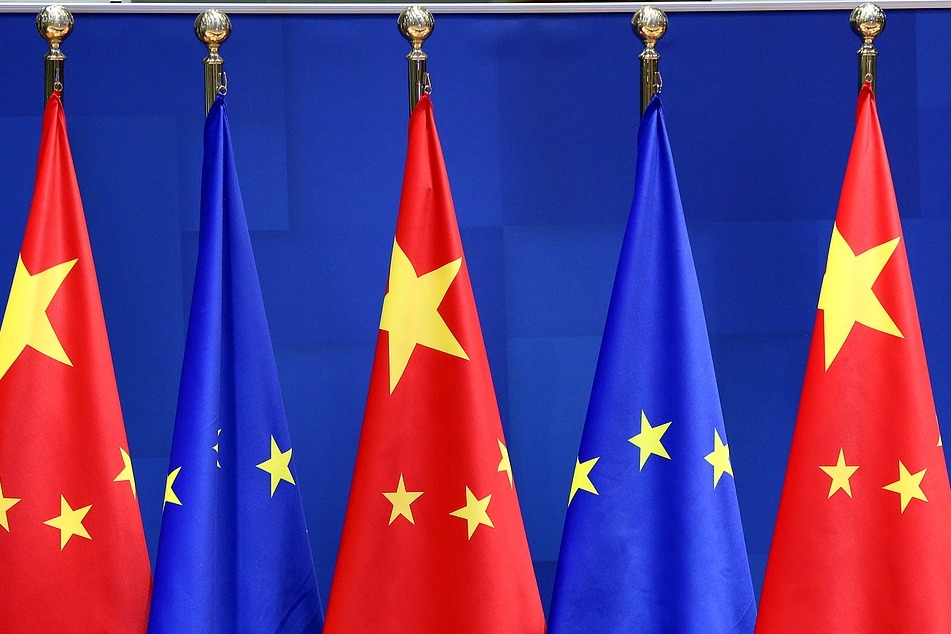
And this was never going to be a one-off assignment. Issues such as the US' attempt to strong-arm Greenland and its renewed use of tariffs are not isolated events. During Trump's first presidential term, he launched sweeping tariffs against major economies, including China and the EU.
Trade policy has long been a central beat in my reporting. This time, the difference is that I'm now stationed in the European Union. That proximity has allowed me to observe the effects of tariffs far beyond news conferences and official statements.
To understand how tariffs affect ordinary life, I once spent an entire afternoon wandering Brussels aimlessly, just watching. One thing stood out immediately — nearly every bicycle parked on the street was locked. One reason is theft, of course, but another is price. Many bicycles here are imported, and high tariffs have driven prices up so much that people guard them carefully.
I've visited factories and walked their production floors, speaking with business owners about how trade wars distort supply chains. Imported raw materials become more expensive, while exported finished goods lose competitiveness. Buyers pay more, and sellers earn less. Everyone in the middle feels squeezed.
I've spoken with economists who explained that even the governments collecting tariffs ultimately lose out. As imports and exports shrink, overall trade volume declines and tariff revenue drops with it. A tariff war, they told me, is a rare policy where almost no one truly wins.
I've also visited Belgium's famous chocolate shops. Even there, at the far edges of the economy, the effects are visible — fewer customers, higher ingredient costs, tighter margins. Global trade policy reaches into the smallest details of everyday life.
For journalists, "the scene" can take many forms. An emergency European Council meeting may seem grand and authoritative, but it is only one piece of a much larger puzzle. The story becomes complete only when EU diplomats, factory owners and chocolate shop clerks all appear in the same frame.
Only then does the news become fully alive.