Low inflation, higher interest rates present new scenarios in many emerging markets, reports Bloomberg.
Investors are exiting commodities at the fastest pace in six years, betting a slump in prices is not over as corn, oil and gold drop close to the cost of production.
Open interest in raw material futures and options, which refers to outstanding contracts that have not been settled, is down 5.9 percent since June, heading for the biggest second-half slump since 2008, exchange data show. United States exchange-traded products tracking metals, energy and agriculture saw net withdrawals of $563.9 million in 2014, marking the first two-year slump since the funds were created a decade ago.
Commodities are under pressure from many sides. Collapsing oil prices are driving bearish sentiment because energy is used to produce or deliver almost everything, said Societe Generale SA. Low inflation and higher interest rates create an "ugly scenario" for gold, said Bank of America Corp. And weaker currencies in countries that produce everything from soybeans to iron ore mean supplies will continue to climb, Goldman Sachs Group Inc said.
"Now is not a time to be overweighting commodities," said Sameer Samana, a senior international strategist at Wells Fargo Advisors LLC, which oversees $1.4 trillion. "For now, the outlook is still negative. It wouldn't surprise us to see prices go down even further. We wouldn't be taking any tactical positions."
The Bloomberg Commodity Index of 22 products slumped 13 percent this year, heading for a fourth straight annual drop that will be the longest since 1991. Brent crude tumbled 45 percent, the biggest loss among the raw materials, after trading below $60 a barrel this week for the first time in five years.
Crude, gasoline and heating oil led this year's declines as an increase in US drilling sparked a surge in output and a price war with producers in the Organization of the Petroleum Exporting Countries. About 65 percent of the $20 billion withdrawn from passive commodities investment this year was driven by energy losses, Aakash Doshi, a Citigroup Inc vice-president, said in a report on Monday.
Cheaper oil is reducing the cost of producing food and metals, increasing the likelihood for falling commodity prices, according to analysts at Societe Generale. Global food costs tracked by the United Nations are the lowest since 2010.
Reduced pressure on consumer prices is eroding the appeal of gold as an inflation hedge. Holdings in exchange-traded products backed by the metal fell 8.8 percent this year as $6.89 billion was wiped from the value of the funds. Gold will slide to $1,100 an ounce next year, Francisco Blanch, Bank of America's head of global commodity research, said in a phone interview on Dec 8.
Not all commodities may fall. Some industrial metals will rally in 2015, according to SocGen and JPMorgan Chase & Co.
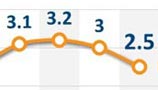
Nickel will have the most upside, after Indonesia, the largest source of the metal from mines, imposed a ban on shipments of unprocessed ore earlier this year, said Jeffrey Currie, the head of commodity research at Goldman. Advances in industrial metals will more than make up for losses in agriculture and gold, helping commodities to generate "boring" returns of 2.5 percent in 2015, he said.
Quincy Krosby, a market strategist at Prudential Financial Inc, which oversees $1 trillion in assets, said increased stimulus can help stabilize economies in Europe and China and sustain commodity demand.
This week, the Bloomberg Commodity Index reached a five-year low. It is down 3.6 percent so far this month, the sixth straight monthly decline and the longest slump since 2009. Open interest for 24 raw materials fell 4 percent this year to 12.18 million contracts, snapping two straight years of gains.
In China, the largest consumer of grains, energy and pork, the economic expansion next year will be the slowest since 1990, forecasts compiled by Bloomberg show.
A "sharp decline in agriculture" is Goldman's strongest view for next year, Currie said on Dec 9. The US Department of Agriculture estimates rising world production will push soybean inventories to an all-time high, and prices are heading for the first two-year slump since 1999.
In Australia, iron ore exports climbed to a record 64.95 million metric tons in October, as the Australian dollar weakened this year, the latest government figures show.
"Weakening currency is the real story here, whether you're talking iron ore, soybeans, pretty much most of the non-energy commodities," said Currie, who correctly predicted the bear market in gold. "As you continue to see a weakening of emerging market currencies, they have an incentive to be producing more."

Copyright 1995 - . All rights reserved. The content (including but not limited to text, photo, multimedia information, etc) published in this site belongs to China Daily Information Co (CDIC). Without written authorization from CDIC, such content shall not be republished or used in any form. Note: Browsers with 1024*768 or higher resolution are suggested for this site.
License for publishing multimedia online 0108263 Registration Number: 130349