Comments
  Print
Print  Mail
Mail  Large Medium Small
China's big stimulus plan will help keep the economy growing at a healthy rate, though 2009 will be a rough year with probably the slowest growth in nearly 20 years. While China applies stimulus to deal with the immediate downturn, it would be good to think ahead. China needs a new growth model, and it should evaluate its possible spending plans in terms of both immediate stimulus and of contribution to this new growth model.
China needs a new growth model because after the global downturn comes to an end, exports will never again play the same role as they have in the past two decades. I would argue the four basic principles that account for the Chinese miracle since 1978 remain valid, but each needs some tweaking in the new environment.
Firstly, human capital. Pre-reform China did a good job of providing basic education and health to the rural population, so the country began reform with extraordinarily good human capital for a low-wage country. China has lived off this asset for a long time. But better public support is crucial to ensure basic education for the whole population, including the rural poor. Schooling through at least nine years and preferably 12 is essential if China is to have the labor force it needs in the near future.
A big increase in public education spending would definitely be a great investment for the new growth model. It may be effective stimulus as well, as it puts money in the pockets of teachers, hires many recent college graduates, and convinces middle-class households that they do not need to save quite so much for education spending.
Secondly, incentives for private investment. China launched its reform with the household responsibility system, which was a big step toward restoring private property in agriculture. Whenever growth has threatened to slow, China has taken another step to strengthen incentives for private investment. Private investment has been the backbone of China's growth, and returns in private firms are far above those in State enterprises. The global slowdown and the hit to the export sector create a real risk of backsliding. The big stimulus package is needed, but it will go largely to and through big State-owned firms; the airlines, railways, road construction companies and the big commercial banks.
The new growth model needs to think about how to bring more dynamism and competition to services, as earlier reforms did to agriculture and manufacturing. Some specific measures to consider; strengthening intellectual property rights (essential for service industries in which trademarks and copyright are big), easing up on entry restrictions in sectors from film to finance, selling more shares in the majority State-owned companies and making it easier for private firms to issue bonds and stocks.
Thirdly, openness. China has pioneered a unique model of openness; compared to other developing countries it is open to imports and direct investment in manufacturing. It has otherwise kept its capital account fairly closed, which looks particularly smart at this moment. In the face of this crisis I think it would be smart for China to open its markets further, particularly markets for services. China has not been as open to investment in services as it has to investment in manufacturing. By opening more to investment and trade in services it could stimulate more competition and technological advance and get the same kind of performance in services as in manufacturing.
Fourthly, infrastructure. I have written before about China's pragmatic approach to infrastructure. The use of roads, ports, telecom and power is priced at levels that pay for the infrastructure, which has enabled the rapid expansion of these networks. The stimulus package contains a lot of resources for infrastructure. The question will be, is it infrastructure for the old model or infrastructure for the new model? The new model will be less export dependent and less resource using. It will be more knowledge based, both the higher value activities of manufacturing and the expansion of services.
Is the stimulus package big enough? I think that question is less interesting than the question of whether China is using the stimulus to make a transition to a new, more sustainable growth model.
David Dollar is the World Bank's country director for China
(China Daily 01/05/2009 page2)

 Night views of Harbin through the lens
 Tibetans take train home after pilgrimage or travelling
 World's largest shaftless Ferris wheel built in China
 Ancient cities to be connected by Xi'an-Chengdu high-speed railway
 Snow turns Harbin into winter wonderland
 Reed Catkin Festival held in Wuhan
 Is it a building or a bookshelf?
 First flight
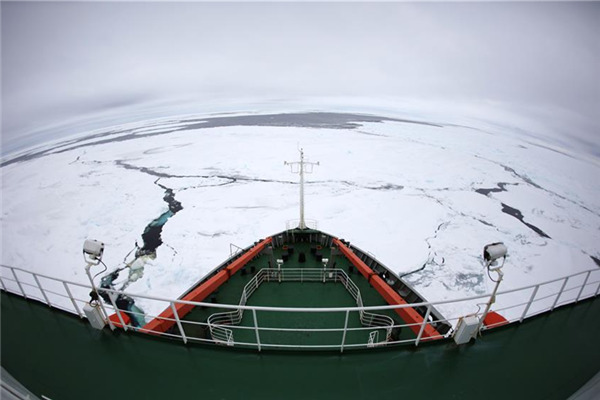 Polar icebreaker Snow Dragon arrives in Antarctic
 Xi's vision on shared future for humanity
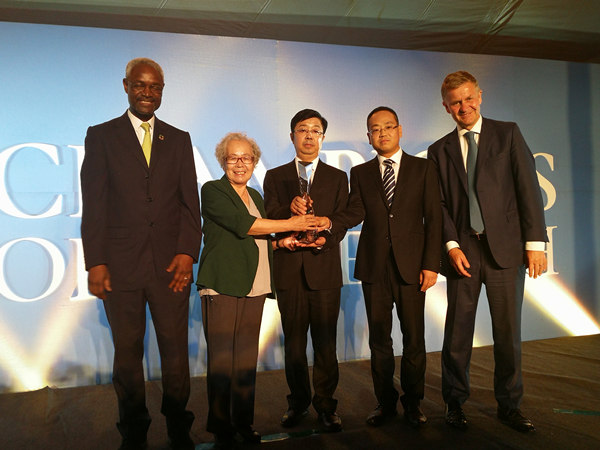 UN's top environmental honors go to three in China
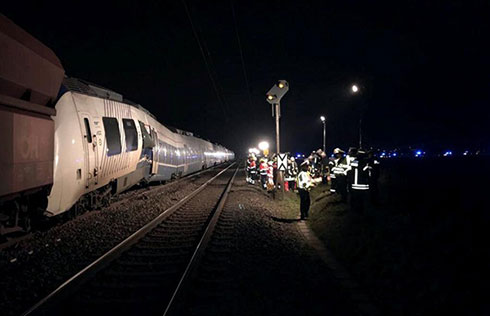 German trains collide near Duesseldorf, several people injured
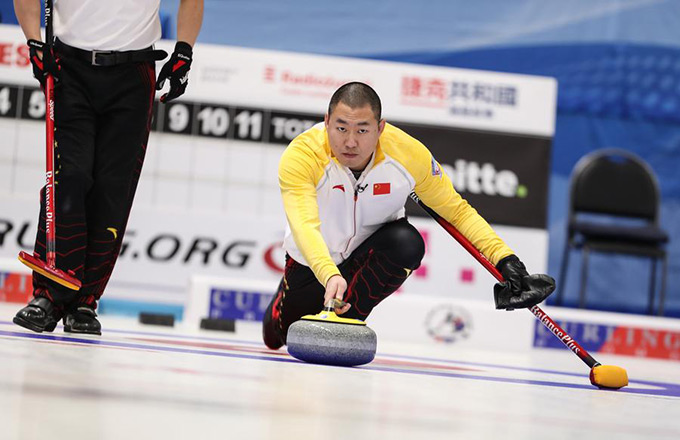 China beats Germany 7-4 in men's curling Olympic qualification
 Bayern beat Paris Saint-Germain 3-1 in UEFA Champions League


Copyright 1995 - . All rights reserved. The content (including but not limited to text, photo, multimedia information, etc) published in this site belongs to China Daily Information Co (CDIC). Without written authorization from CDIC, such content shall not be republished or used in any form. Note: Browsers with 1024*768 or higher resolution are suggested for this site.
License for publishing multimedia online 0108263 Registration Number: 20100000002731