Editor's Note:
Since its founding in 1947, Inner Mongolia has achieved many milestones in boosting its comprehensive strength and economic growth in sectors of the dairy industry, cashmere products, rare earth research, China-Europe train routes, grassland protection and desert control, China-Russia-Mongolia economic corridor, ethnic culture exchanges, and tourism promotion.
This year marks the 70th anniversary of the establishment of the region, bringing with it a number of celebrations to showcase the prosperity and ethnic diversity of the autonomous region.
- Historical Origins
- Dairy Giants
- China-Europe Railways
- Cashmere
- Rare Earth
- Ecological Conservation
- Horinger New District
- China-Russia-Mongolia Economic Corridor
- Culture Exchanges
- Tourism
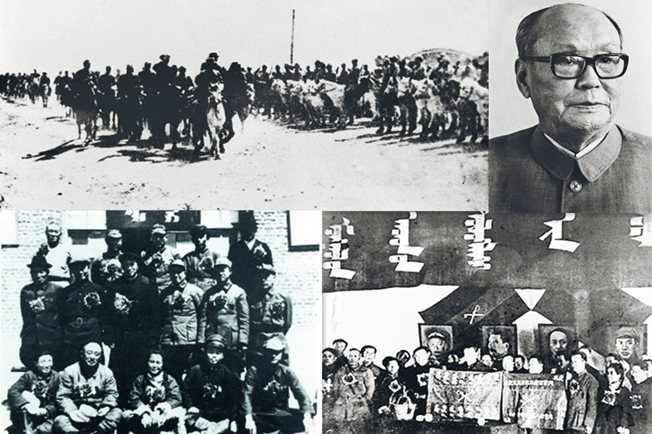
On April 23, 1947, Inner Mongolia convened its first people’s congress composed of 393 delegates from regional leagues and banners to vote for the resolution of establishing the Government of the Inner Mongolia autonomous region.
On May 1, the Government of the Inner Mongolia autonomous region was officially founded, and Ulanhu (1906-1988) was appointed as the region’s chairman, serving from 1947 to 1966. It marked Inner Mongolia as China’s first autonomous regions, and also began implementing the system of regional ethnic autonomy.

Inner Mongolia’s two dairy giants—Yili Industrial Group and Mengniu Dairy Corporation—have staged a remarkable rise in the global market. In 2016, Yili succeeded in ranking 8th and Mengniu ranking 11th on the Rabobank Global Dairy Top-20, marking China’s dairy power in contributing to the world’s dairy industry.
In recent weeks, Yili has attempted to seek overseas partnerships with enterprises in Asia, Europe, Oceania and North America in sectors of milk powder, yogurt, ice cream, and liquid milk. For years, Mengniu has made efforts to build strategic sponsorships with international sports associations, including an over 10-year collaboration with the National Basketball Association (NBA). Mengniu has also framed cooperative relationships with Denmark’s Arla, France’s Danone, White Wave of the United States and Asure Quality of New Zealand.
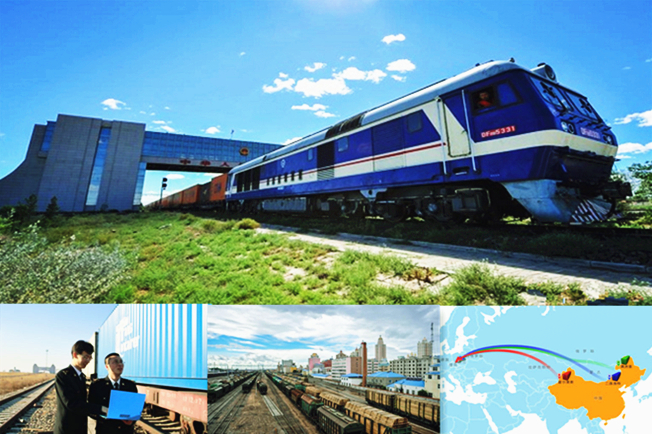
In Oct 2016, the National Development and Reform Commission announced the construction of the China-Europe Railways transforming Inner Mongolia’s Erenhot, Manzhouli and Ulanqab as main hub cities along the train route.
The Erenhot-Rotterdam railway, the Ulanqab-Almaty railway and the Suzhou-Manzhouli-Europe railway have been in service exporting products to Mongolia, Kazakhstan, Russia, the Czech Republic, Slovakia, Poland, Germany, Austria, France, Belgium, Switzerland, Italy and the UK. The routes have been emphasized under China’s Belt and Road Initiative toward the next stage of development.
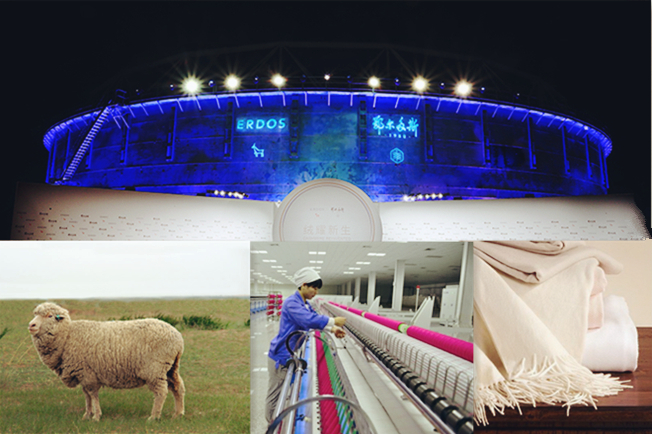
As a main source of economic revenue, Inner Mongolia’s cashmere industry has been recognized domestically and aboard for its high-quality products, innovative technologies and increasingly mature production processes and sales management.
Sourcing wool from local grassland sheep, regional cashmere companies continue to innovate and modernize their production processes. Among companies in the region, Erdos Cashmere Group stands out for its global branding and market expansion, providing a remarkable model for other local firms over the past years. Tons of cashmere shirts, scarves and coats from Inner Mongolia are annually exported to foreign countries, including Italy, Switzerland, the UK, the US and Japan.
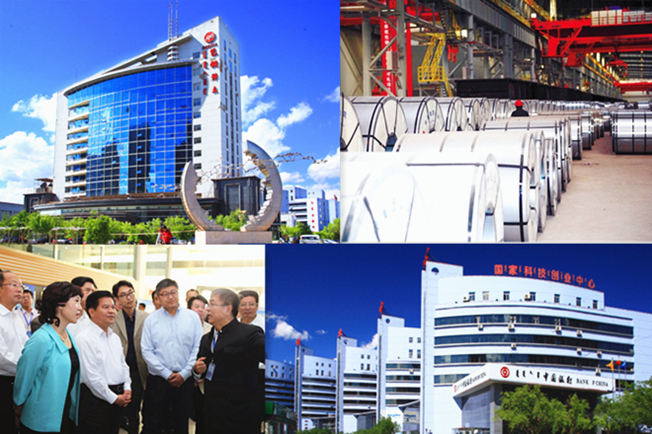
Approved by China’s State Council in 1992, the Baotou Rare Earth High-Tech Industrial Development Zone has played a crucial role in both China’s rare earth sector and the region’s strategic development.
Founded in May 2015, the Baotou Rare Earth Research and Development Center of the Chinese Academy of Sciences (CAS) serves as a base for local experimentation with rare earth resources, utilizing the scientific findings to transform rare earth minerals into a leading high-end industry of Inner Mongolia.
As an incubator for rare earth research, the center has gathered hundreds of talents to conduct innovative and high-tech projects with the ambition of boosting the regional economy.

During the 13th Five-Year Plan period (2016-2020), China’s Ministry of Finance has proposed to allocate 4.58 billion yuan ($685.91 million) to Inner Mongolia each year to designate over 68 million hectares of grasslands as ecological conservation areas, according to the Inner Mongolia Agriculture and Husbandry Bureau.
The new funding focuses on husbandry and the sustainable ecology of local grasslands. The regional government has established regulations and enforced rules concerning grazing, bringing the current vegetation coverage rate to 44 percent and reversing environmental degradation that was previously taking place.
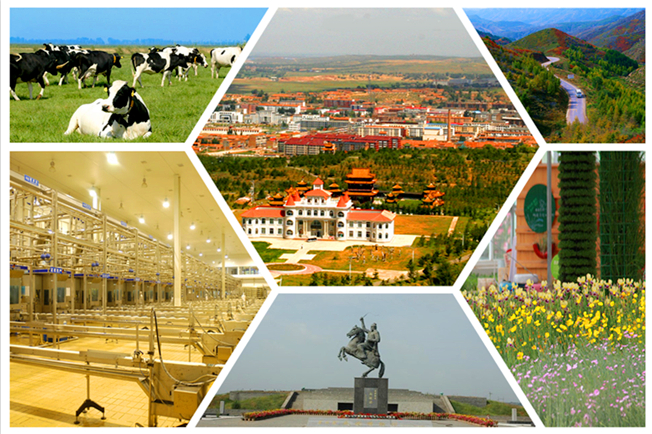
The Horinger New District, a national-level comprehensive zone, was unveiled on Feb 24 this year in Hohhot for the purpose of building a crucial cluster to boost industrial integration and a prosperous ecological zone for the development of low-carbon energy.
The economic and social strength of the new district has the ambition of making progress through the construction of industrial parks, with the total industrial output estimated to reach 160 billion yuan ($23.3 billion) over the next three years.
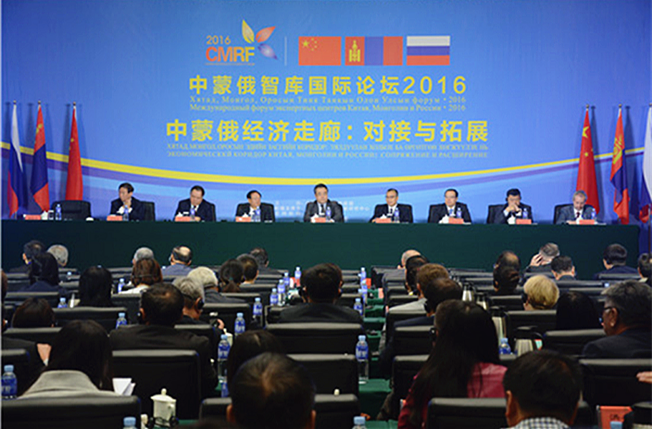
Conceived in September 2014, the China-Russia-Mongolia Economic Corridor has been built to enhance connectivity and collaboration among the three countries, bringing together Asia and Europe for closer economic and cultural ties.
In September 2016, a think tank forum held in Hohhot gathered officials and experts from the three countries to discuss a trilateral project for bridging the China-Mongolia-Russia Economic Corridor, cultural education and sustainable development, policies and laws, the facilitation of trade and investment and science and technology exchange.
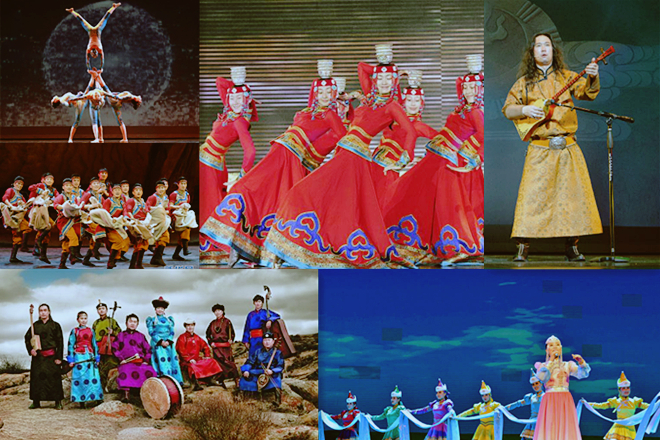
In recent years, art troupes from Inner Mongolia have toured the world to showcase Mongolian culture and ethnic diversity through unique singing, folk dancing, historical musicals, technical acrobatics and traditional costumes.
Cultural exchanges have provided a platform for the appreciation of Inner Mongolia’s traditional customs and unique artwork, facilitating mutual understanding and friendship between China and the world.
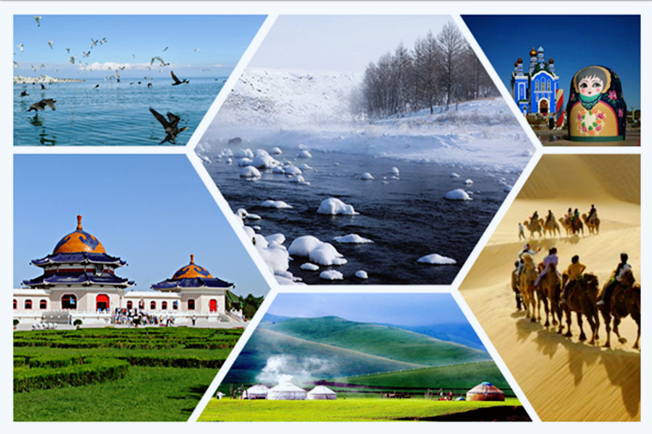
Inner Mongolia occupies 12.3 percent of China's territory, with a span of 29 longitudinal degrees, and features an assortment of landscapes and a diversified nomadic culture. The region is richly endowed with natural beauty, limitless grasslands, forests, ridges, lakes and fresh air. The pristine natural environment ensures a potential for developing the region’s tourism industry.
Inner Mongolia has also made efforts to construct high-quality travel tours and generate publicity via the internet and new media in recent weeks.
Copyright 1995 - . All rights reserved. The content (including but not limited to text, photo, multimedia information, etc) published in this site belongs to China Daily Information Co (CDIC). Without written authorization from CDIC, such content shall not be republished or used in any form. Note: Browsers with 1024*768 or higher resolution are suggested for this site.
License for publishing multimedia online 0108263 Registration Number: 130349 
