Comments
  Print
Print  Mail
Mail  Large Medium Small
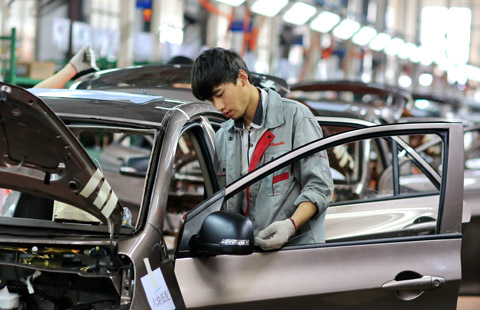
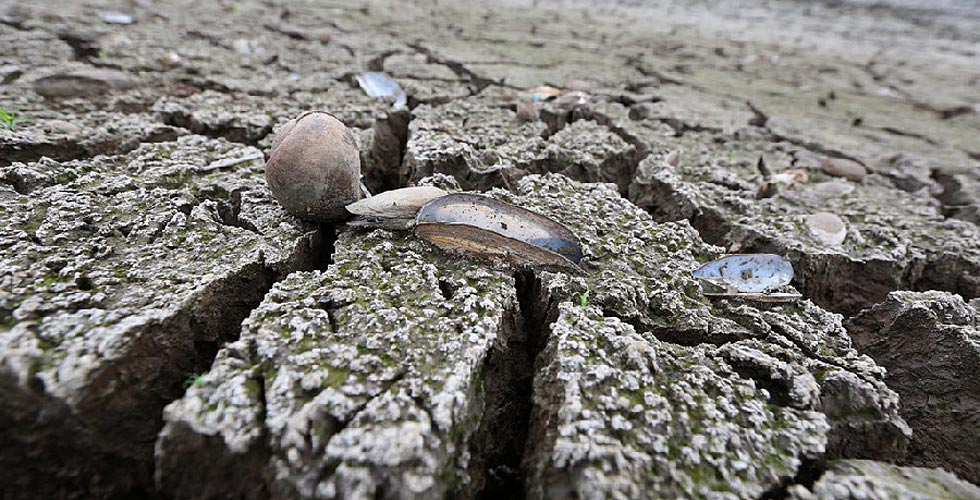
GUIYANG - City mayors across China are struggling to find answers for one problem -- how to balance environmental protection and urbanization.
At an international environmental protection forum held in Guiyang, capital of southwest China's Guizhou province, mayors and other senior city officials took part in a heated debate about sustainable development in their cities.
"We are not worrying about the expansion and development of our cities, but the speed of expansion, which may be a bit too fast and may not be sustainable ," said Yao Yingjie, deputy mayor of Changsha, capital of central China's Hunan province, which has boomed thanks to economic development in the region.
Yao said the city's population is expected to grow by 200,000 to 300,000 people annually, which will place great pressure on the city's facilities and environment.
The Changsha government is trying to improve public services and infrastructure in its suburban townships so that people will be more willing to stay there instead of moving to downtown areas.
The city has also held special training programs for new township officials to raise their awareness of the importance of environmental protection.
For the city of Zaozhuang in east China's Shandong province, the government is facing the tough task of transforming the city, which has traditionally been dominated by the coal mining industry.
"Coal mine reserves in Zaozhuang may only last 15 to 20 years. Where the city will go is an urgent question," said Zhang Shuping, mayor of Zaozhuang.
The city has closed about 30 outdated coal mines last year to improve the efficiency of the industry and protect its resources. Greening programs have also been used to remedy the damage done by the coal industry.
The city is also introducing new industries and encouraging locals to take up jobs in sectors outside of the coal industry.
"These transformation projects have damped our economic growth figures but the city is moving toward a promising future," Zhang said.
About 52 percent of the Chinese population lived in urban areas last year, up 20 percent from the early 1980s, representing an urbanization growth rate that is much faster than that of developed countries.
Earlier this week, national political advisors held a special meeting to discuss problems and risks related to rapid urbanization.
"Problems that have occurred in different stages of urbanization in developed countries have arrived simultaneously in China due to the speed of growth," said Wang Guangqian, a member of the Standing Committee of the the National Committee of the Chinese People's Political Consultative Conference (CPPCC).
The situation is more complicated and harder for the government to manage, Wang said.
Many political advisors warned of the blind expansion of megacities and called for more attention to protecting air and water quality, managing traffic and processing waste.
Guizhou is known for its relatively pristine natural environment, largely due to its geographic position and relatively sluggish economic development. Cities in the province are hoping to use the region's good environment into an advantage.
Li Zaiyong, mayor of Guiyang, said the city has attracted industrial and agricultural projects that have higher environmental quality requirements.
"We very much cherish what we have. We will not sacrifice it for projects that are profitable but result in heavy pollution," he said. "Guiyang is looking to projects that can strike a balance between profitability and environmental merit."
The city is working to convert its city buses from petroleum-based fuel to natural gas, as well as encourage residents to use public transportation more frequently, in order to reduce carbon dioxide emissions.
 Beijing sees blue sky as B&R Forum opens
 Would-be dads taste pain of labor
 Belt and Road receives global backing
 Soldiers who safeguard China's 'green treasure'
 Flowers, posters greet Belt and Road forum in Beijing
 Rainstorms cause floods, trap cars in Guangzhou
 Chinese submersible explores turbidity current in South China Sea
 Couple uses 200-year-old Qing Dynasty home as backdrop for wedding
 Homemade armed helicopter Z-19E rolled out
 Wuhan student recreates Marilyn Monroe portrait using only nails and string
 Train attendants prepare for trial operation of Nairobi-Mombasa railway
 Rainbow village in Indonesia becomes social media hit
 Madrid a draw away from Spanish title after win over Celta
 Italian Cup title puts Juventus in line for treble


Copyright 1995 - . All rights reserved. The content (including but not limited to text, photo, multimedia information, etc) published in this site belongs to China Daily Information Co (CDIC). Without written authorization from CDIC, such content shall not be republished or used in any form. Note: Browsers with 1024*768 or higher resolution are suggested for this site.
License for publishing multimedia online 0108263 Registration Number: 20100000002731