Explaining its ideas to the world, and clearing up misunderstandings in some countries, remains a challenge for China
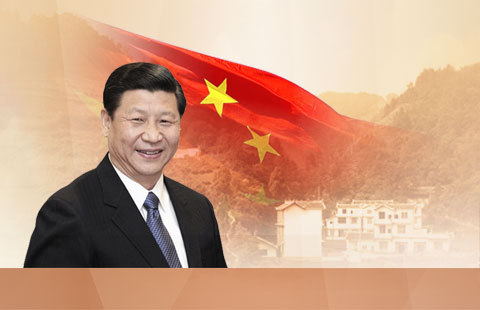
In his keynote speech at the Belt and Road Forum for International Cooperation on May 14, President Xi Jinping said, "We should build the Belt and Road into a road of innovation". Xi mentioned "innovation" 15 times in his speech, which clearly showed the difference between the Belt and Road Initiative and other initiatives.
First, the initiative doesn't focus only on trade area construction; it also aims to improve infrastructure for better connectivity, policy coordination and exchange of goods and services. In this regard, the initiative transcends the Regional Comprehensive Economic Partnership and the Trans-Pacific Partnership.
TPP negotiations were once strongly opposed by the Japanese, and they caused panic in the Vietnamese footwear industry, which sawit as a harbinger of destruction. By contrast, China's initiative seeks coordination and cooperation among not only economies, but also cultures.
Second, innovation reflects inclusiveness. The Barack Obama-led US administration imposed strict conditions on TPP negotiators and kept China out of the negotiation. Despite that, China said onmany occasions that it was open to the idea of TPP and any other regional cooperation initiatives provided, they were inclusive.
On the other hand, the United States has not been included in the RCEP negotiations because it does not have free trade relations with the Association of Southeast Asian Nations. However, China welcomes all interested economies to become involved with the Silk Road Economic Belt and the 21st Century Maritime Silk Road. The Philippines attended the opening ceremony of the Asian Infrastructure Investment Bank in Beijing in January 2016, and it played the role of an intention creator.
Third, innovation also reflects China's role as the architect of a mutually beneficial and inclusive economic initiative. But instead of setting the agenda for the initiative, China acts more like an organizer, bringing all the partners together on a platform, where they can list the topics of discussion and share their ideas, and thus jointly decide the agenda on the basis of equality.
Fourth, the initiative's negotiations are outcome-oriented, while consultations emphasize process-oriented choice. The failure of one round of negotiations may signify a waste of time, effort and money. Consultations, however, put less pressure on the participants and introduce them to a network where dialogues act as stimulants and lead to innovation.
But innovation is difficult to achieve, especially since ASEAN has already drawn up a Master Plan for Connectivity, that is, physical, institutional and people-to-people connectivity. To improve connectivity between China and ASEAN member states, Beijing should not only help ASEAN to implement its master plan, but also go beyond the plan to strengthen interconnectivity.
Neither China's economic power nor its political importance is reflected in the small say it enjoys in international organizations. So it should also focus on institution-building as part of the Belt and Road Initiative to have greater say in global institutions.
How to explain its ideas to the rest of the world and remove the misunderstandings some countries have about its initiative and other programs remains a challenge for China. But since high-level institutions, to a large extent, are founded on the basis of concrete rules rather than absolutist ideas, China has enough reason to believe a bright future awaits the Belt and Road Initiative, provided its problems are identified and solved in a timely manner.
The author is a research fellow at the Hainan Provincial Party School. The views do not necessarily reflect those of China Daily.




Copyright 1995 - . All rights reserved. The content (including but not limited to text, photo, multimedia information, etc) published in this site belongs to China Daily Information Co (CDIC). Without written authorization from CDIC, such content shall not be republished or used in any form. Note: Browsers with 1024*768 or higher resolution are suggested for this site.
License for publishing multimedia online 0108263 Registration Number: 130349