Addressing a forum on fighting poverty and common development at the African Union headquarters in Addis Ababa, Ethiopia, late last month, Chinese Foreign Minister Wang Yi said China and African countries should work together to eradicate poverty for future generations. He also mapped out five priority areas - the alignment of development strategies, peace and security, public health, human resources, and coordination in regional and international affairs - for future China-AU cooperation.
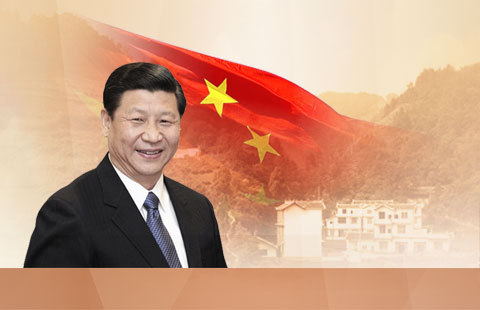
President Xi Jinping's new book Up and Out of Poverty was central to the debate at the China-Africa High-Level Dialogue and Think Tank Forum. Many African participants expect to draw inspiration from the book, which is a collection of speeches and articles by Xi when he was Party chief of Ningde prefecture in East China's Fujian province nearly three decades ago.
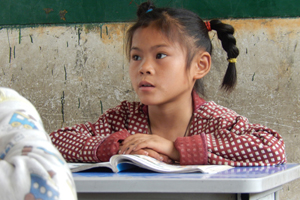
The prefecture's per capita GDP was just $198 when Xi arrived there in 1988. Last year, its per capita GDP had reached $8,000. Ningde's success offers a glimpse of how China has lifted more than 700 million people out of poverty in just four decades - targeted poverty alleviation.
Many African countries share the desire for development but are disadvantaged by unfavorable conditions, from poverty to slow industrialization. In other words, their condition is similar to that of Ningde and other Chinese cities and counties in the 1980s and early 1990s. That could be one reason why Xi's book has been welcomed in scores of countries, especially the developing ones, and China is more than willing to teach them how to fish, rather than giving them fish in a show of altruism.
For China, the days of offering aid to an African country without paying attention to trade exchanges are long gone. China's contribution to Africa's GDP growth, which now enjoys an annual increase of more than 5 percent, is more than 20 percent thanks to the tangible assets Chinese enterprises have brought to the continent, including major infrastructure projects, enhanced trade exchanges, and improved education and healthcare means.
The focus of China-Africa cooperation has justifiably shifted from aid to trade, investment and sustainable development. The Beijing-backed Mombasa-Nairobi Standard Gauge Railway in Kenya, which began operation on May 31, is not just about connecting the country's capital and East Africa's largest port, but also a crucial move to revitalize industrial parks and manufacturing along the way. The debt risks have also been thoroughly discussed by both sides and will be kept at controllable levels, as China provided 90 percent of the construction cost to Kenya as loan.
Former colonial powers' free aid to African countries did not help reduce poverty to the extent that many expected, and that could be a leading reason why some African economies have freed themselves of their dependence on such aid.
Last year, seven African state leaders visited China to seek business opportunities and investment cooperation, and they had good reason to do so, as China-Africa trade reportedly increased more than twentyfold from 2000 to reach $220 billion in 2014. And in the years to come China will rely more on African markets, which are now home to more than 1 million Chinese expatriates.
Caution, however, should be exercised by both sides, as some less-developed African economies may be tempted to take risks they cannot afford to in order to pursue faster growth. So China should make it clear that its assistance is aimed at helping African countries achieve sustainable development, which takes time and needs sophisticated planning.
Li Wentao is deputy director of the Institute of African Studies at the China Institutes of Contemporary International Relations. The article is an excerpt from his interview with China Daily's Cui Shoufeng.




Copyright 1995 - . All rights reserved. The content (including but not limited to text, photo, multimedia information, etc) published in this site belongs to China Daily Information Co (CDIC). Without written authorization from CDIC, such content shall not be republished or used in any form. Note: Browsers with 1024*768 or higher resolution are suggested for this site.
License for publishing multimedia online 0108263 Registration Number: 130349