Higher fuel standards
With the search for the culprits that caused the notorious smog homing in on low-quality fuel, China's fuel standards are set to rise.
If it reduces pollution and improves the air quality then the cost is worth paying, but the decision of who will shoulder the costs should be based on discussions that include the views of experts and the public. They should not be determined by vested interests.
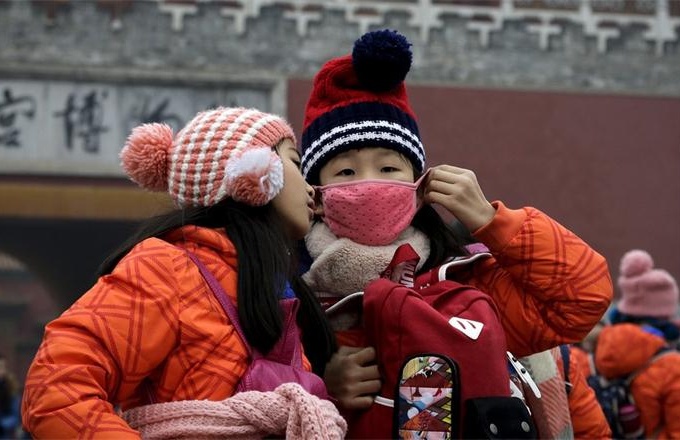
Experts estimate that motor vehicles account for about 20 percent of air pollution in large cities. Although the government is yet to release authoritative data, vehicle emissions must have been a major contributor to the smog that smothered much of the country recently, so the discussion about raising fuel standards to reduce pollution and improve the air quality is definitely on target.
Only Beijing uses fuel that has a sulfur content of less than 10 parts per million, which would meet the European emissions standards. Most other parts of the mainland use fuel with a sulfur level as high as 150 ppm.
China adopted the National IV standards for motor vehicles in 2011, but there is a three-year grace period, which means low-quality fuel continues to be a drag on its efforts to reduce air pollutants. Technological upgrading, however, incurs costs. It is estimated that it will take about 50 billion yuan ($7.9 billion) for the country to adopt the new National IV standards.
Where this investment will come from has therefore become a pressing question if China is to adopt the higher fuel standards.
The possible sources include the government, the oil companies and drivers. But no matter who ends up shouldering the cost, wide participation in the discussion is imperative and the decision must be made on the basis of soliciting the views of experts and the public.
In that process, the powerful oil companies must be prevented from monopolizing the discussion.
China's major oil groups have been accused of using their monopoly position to their advantage in setting the existing oil standards and that should not be allowed to continue. Among the 44 members of the committee in charge of setting China's oil standards, 40 are from the oil companies.
We must draw the necessary lessons from this and prevent vested interests from controlling the cost-sharing discussion and decision-making procedures if we are to clear the air.
(China Daily 02/05/2013 page8)