Comments
  Print
Print  Mail
Mail  Large Medium Small
A Partner in Shaping History - The First 40 Years
The story of four decades of the World Economic Forum, as seen through the eyes of its members, leaders and the outside world.
The Forum is perhaps most widely known for its Annual Meeting in Davos-Klosters. Through the years, numerous business, government and civil society leaders have made their way to the Swiss Alpine resort to consider the major global issues of the day and to brainstorm on solutions to address these challenges.
While many global institutions are notable for the breadth of nations or the powerful political leaders attending their gatherings, the World Economic Forum Annual Meeting and indeed all the activities and initiatives of the Forum around the world are distinguished by the active participation of government, business and civil society figures, both the most experienced and the most promising, all working together in the collaborative and collegial Spirit of Davos.
Professor Schwab then founded the European Management Forum as a non-profit organization based in Geneva, Switzerland, and drew European business leaders to Davos for their Annual Meeting each January.
Initially, Professor Schwab focused the meetings on how European firms could catch up with US management practices. He also developed and promoted the "stakeholder" management approach, which based corporate success on managers taking account of all interests: not merely shareholders, clients and customers, but employees and the communities within which they operate, including government.
Professor Schwab's vision for what would become the World Economic Forum grew steadilly as a result of achieving "milestones". Events in 1973, namely the collapse of the Bretton Woods fixed exchange rate mechanism and the Arab-Israeli War, saw the Annual Meeting expand its focus from management to economic and social issues, and political leaders were invited for the first time to Davos in January 1974.
Two years later, the organization introduced a system of membership, which were "the 1,000 leading companies of the world". The European Management Forum was the first non-governmental institution to initiate a partnership with China's economic development commissions, spurring economic reform policies in China. Regional meetings around the globe were also added to the year's activities, while the publication of the Global Competitiveness Report in 1979 saw the organization expand to become a knowledge hub as well.
The European Management Forum changed its name to the World Economic Forum in 1987 and sought to broaden its vision to include providing a platform for resolving international conflicts. World Economic Forum Annual Meeting milestones during this time include the Davos Declaration signed in 1988 by Greece and Turkey, which saw them turn back from the brink of war, while in 1989, North and South Korea held their first ministerial-level meetings in Davos. At the same Meeting, East German Prime Minister Hans Modrow and German Chancellor Helmut Kohl met to discuss German reunification. In 1992, South African President F. W. de Klerk met Nelson Mandela and Chief Mangosuthu Buthelezi at the Annual Meeting, their first joint appearance outside South Africa and a milestone in the country's political transition.
The Forum has since expanded its activities to include a Centre for Public-Private Partnerships, which engages businesses, civil society and political authorities in initiatives ranging from health in India to alliances combating chronic hunger in Africa. The Forum's knowledge centre has expanded to include several other competitive reports, including the Global Gender Gap Report, Global Risk reports and regional scenario reports.

 The world in photos: May 29 - June 4
 Beijing puts its best foot forward on Belt and Road
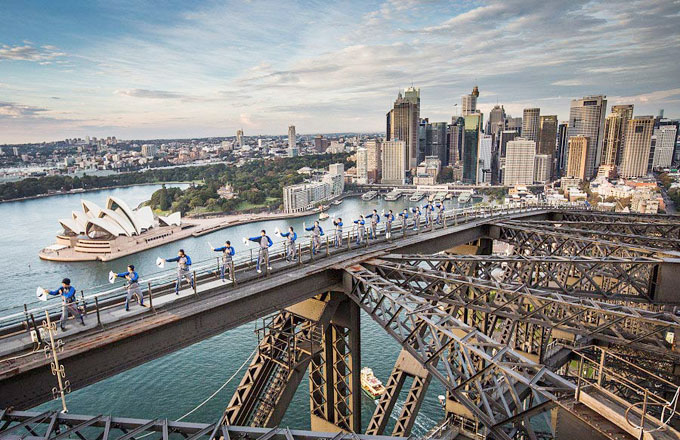 Tai chi takes over Sydney Harbour Bridge
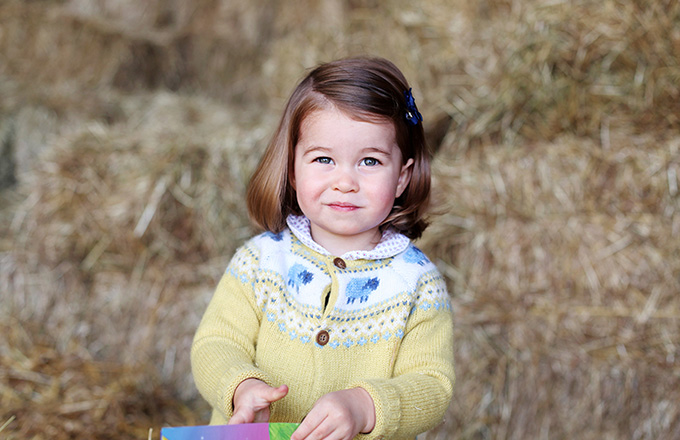 World in photos: April 24 - May 1
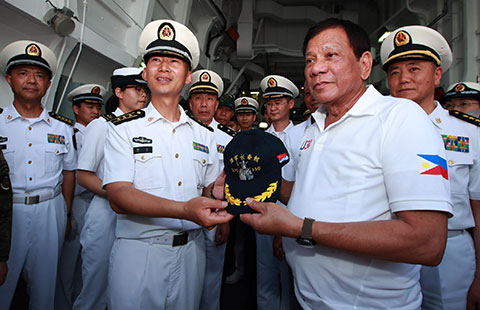 Chinese ships pay visit to Philippines
 Princess Charlotte about to turn 2
 Cherry blossoms in full bloom in New YorkMay 'not in different galaxy' over Brexit
 Incredible! Australian girl with cerebral palsy climbs Great Wall
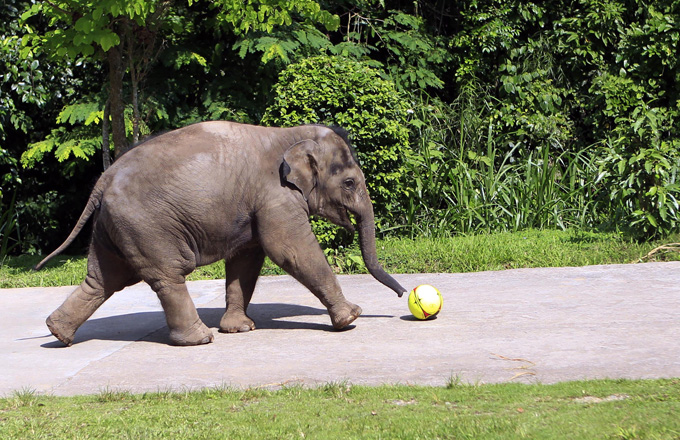 Baby Asian elephant train for release into the wild
 UK voters head for polling booths as country's general election gets under way
 Polls on eve of UK election suggest PM May will boost majority
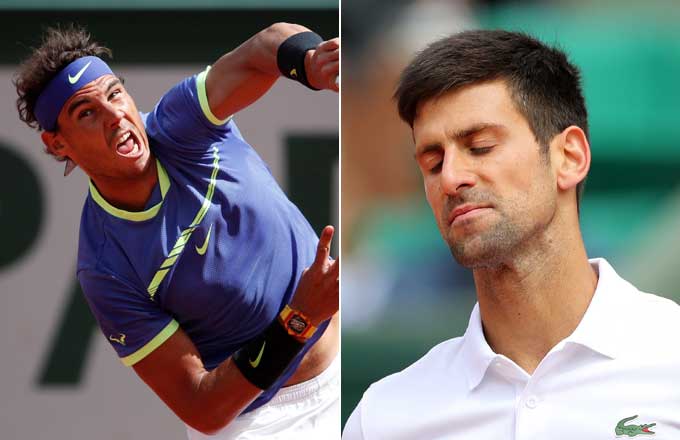 Nadal into French Open semi-finals, Thiem dismantles titleholder Djokovic
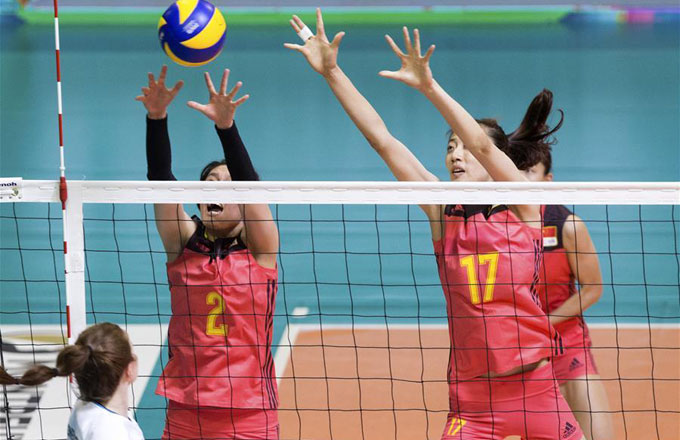 China beats Switzerland 3-0 at Montreux Volleyball Masters


Copyright 1995 - . All rights reserved. The content (including but not limited to text, photo, multimedia information, etc) published in this site belongs to China Daily Information Co (CDIC). Without written authorization from CDIC, such content shall not be republished or used in any form. Note: Browsers with 1024*768 or higher resolution are suggested for this site.
License for publishing multimedia online 0108263 Registration Number: 20100000002731