Sowing the seeds of Africa's success


If we can do this – if we can optimise food production by embracing an ecosystem-based adaptation approach to agriculture – we can boost yields by up to 128 per cent.
What is even better about this approach is that it does not have to require enormous resources. There is an ancient farming technique in West Africa called zai. This simple technology – a demi-circle dug into dry soil and used to grow seedlings – can turn crusted land into nurseries by improving water retention, protecting seeds from being washed away, concentrating nutrients and improving soil structure.
If properly executed, zai can increase yields by up to 500 per cent in some of the trickiest terrains on earth. It is already having a major impact on the dry Sahel region where it has reclaimed severely degraded farmlands and raised farm yields from virtually nothing to 300 to 400kg of crops per hectare in a year of low rainfall. Simple technology like this must be shared across the continent.
We must also focus our efforts on improving every part of the food chain. We will have to improve our transport links and storage facilities so that we don't waste so much food after it is harvested. We need to link farmers to markets and we need to build local, regional and national partnerships to deliver these improvements.
The benefits of an ecosystem-based adaptation approach to agriculture are clear. Not only will this approach help the continent achieve food security – one of the key sustainable development goals – but, in doing so, the continent can begin to hit a series of other targets set by the 2030 Agenda.
Investing in ecosystem-based adaptation-driven-agriculture and its linkages to sustainable commercial value chains could boost farmers' incomes and create up to 17 million jobs while catalysing an agricultural sector that is expected to be worth $1 trillion by 2030.
By prioritizing healthy ecosystems with this type of agriculture, we can also help to combat climate change, reverse environmental degradation, which is costing the continent up to $68 billion annually, fight desertification and stop biodiversity loss.
And, on top of all this, we can also produce more nutritious food that has greater immune boosting compounds than conventionally produced food, boosting human health and well-being.
This is why the creation of the Africa Ecosystems Based Adaptation for Food Security Assembly (EBAFOSA), which serves as the continental policy platform to foster and nurture partnerships through branch formation in each African country, is necessary.
The forum targets policy, demonstrates how EBA-driven agriculture works, enhances access to renewable energy that can power agro-processing and boosts access to markets. The launch of EBOFOSA branches across the continent, including one in Nigeria last month, is a step in the right direction.
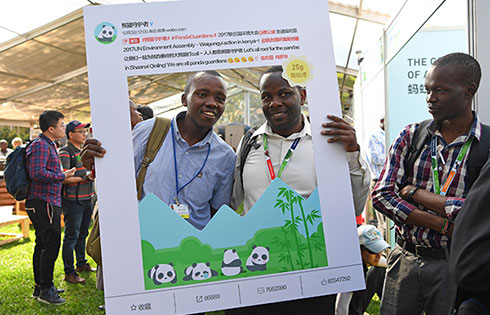
Next month, 193 countries will meet at the UNEP Headquarters in Nairobi for the United Nations Environment Assembly – the world's Parliament on the Environment. It is vital that the international community uses this opportunity to recognise that healthy ecosystems underpin human health, wellbeing, livelihoods, jobs and sustainable growth.
Ultimately, an ecosystems-based adaptation approach to agriculture means working with nature so that we can grow the food we need without damaging the vital ecosystems that sustain all of us.
As the continent continues to battle with climate change, we can no longer afford to play the proverbial fool for we already know that the continent's transformation lies in the richness of the African soil. And we already know how to harness this vast potential. So the time has come for us to put aside our fine words, pick up our tools and start to sow the seeds of the future we so desperately want.
The author is the Minister of Environment for Nigeria.