Will the Wuhan 'reset' lead to 'Asian Century'?









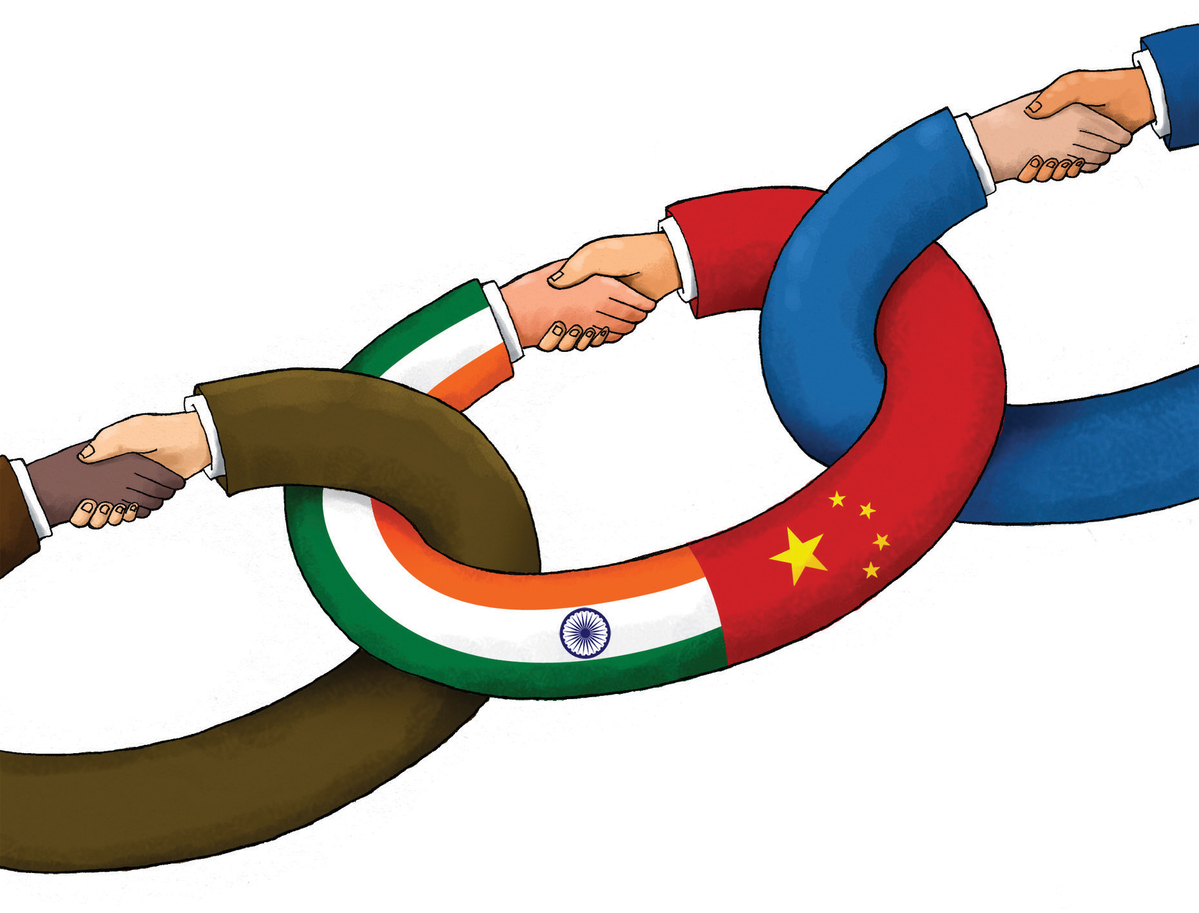
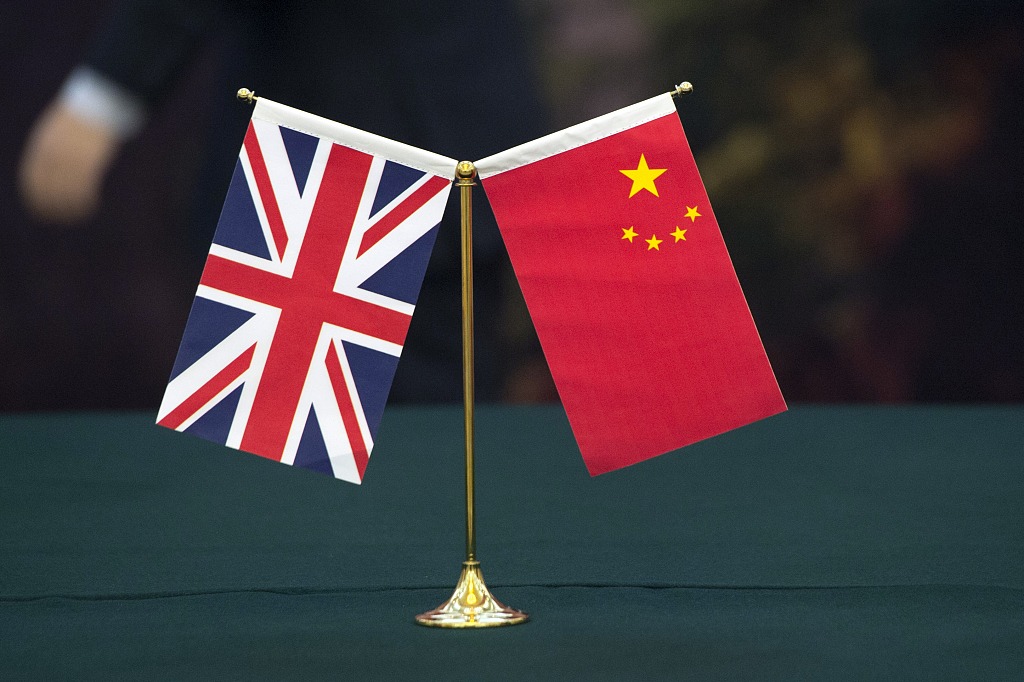
The recent "informal" summit between President Xi Jinping and Indian Prime Minister Narendra Modi in Wuhan, Central China's Hubei province, was historic. It was aimed at "resetting" Sino-Indian relationship, which goes back more than two millenniums.
China and India - the second and seventh-largest economies in the world - represent almost 40 percent of the world population. Each is determined to lead the "Asian Century" to drive the engines of global economic growth, while the United States and Europe remain engaged in the 20th century's outdated game of geopolitics with Russia, especially in the Middle East.
The rapid development and modernization of China has, for example, proven that it can govern its affairs locally and globally with more confidence than what India has accomplished over the years.
With the unprecedented global influence of Beijing's comprehensive power, Washington has tried to revitalize its old "Indo-Pacific" region's "quad" strategy of Asian countries of Australia, Japan and India coming together with the US as a unified force to counter China's rise. Yet Washington's concerted military strategy would work only if the US has the economic maturity to address the increased defense expenditures and the much-needed infrastructure development to "Make America Great Again."
For India, a real alliance with the distant US is currently problematic, especially with the Trump administration. The two populous markets of China and India need each other not only for economic reasons, but also because Beijing and New Delhi have traditionally adhered to the nonalignment principle.
As nonaligned countries, both China and India shared a vision of independent national sovereignty - free of the colonial and Cold War mentalities. As practical men of vision, Xi and Modi agreed to hold "heart-to-heart" talks in Wuhan because of their respective national interests, the fear of external powers, and the pride in their civilizations. The two nations might deepen cooperation in trade and investment, as China has been attracting an increasing number of Indian workers, tourists and students.
The border dispute is a big concern for both countries. But the challenges are being managed as India currently views China as a growing military power, surrounded by smaller nations such as Bangladesh, Nepal, Pakistan and Sri Lanka that are economically aligned with Beijing's Belt and Road Initiative. In such a case, India could consider the US as a potential ally to counter China's assertive behavior.
At this point in time, however, the calculus of being anti-China would not serve well for India whose cooperation with China has greater value on the global stage, especially in climate change and sharing of global commons from which the US has pulled away. Given that India has a highly-decentralized governing system with diverse ethnic, linguistic, and religious groups in a noisy democracy, only time will tell whether its, or China's form of governance with centralized leadership, is more effective in the long run.
Indeed, China's diversity of ethnic, linguistic, and religions is similar to that of India's, but it has a different governing model of centralized power. The "China-India reset" could well be a new beginning to transform the most dynamic region into a "pacific" Century of Asia as the power shifts from the West to the East.
The author, a former Rajawali senior fellow at Harvard Kennedy School, is an associate-in-research of the Fairbank Center for Chinese Studies at Harvard University as well as a distinguished visiting professor of Asian-Pacific affairs at Shandong University and a senior fellow of the Pangoal Institution.