
<tt id="6hsgl"><pre id="6hsgl"><pre id="6hsgl"></pre></pre></tt>
          <nav id="6hsgl"><th id="6hsgl"></th></nav>
          国产免费网站看v片元遮挡,一亚洲一区二区中文字幕,波多野结衣一区二区免费视频,天天色综网,久久综合给合久久狠狠狠,男人的天堂av一二三区,午夜福利看片在线观看,亚洲中文字幕在线无码一区二区
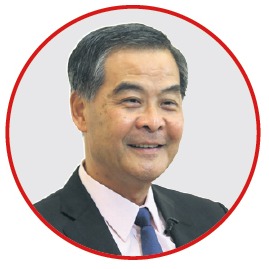
          Leung Chun-ying
          Hong Kong's former chief executive
          BORN:

          August 12, 1954, Hong Kong

          EDUCATION:

          1974-77: Bristol Polytechnic (now the University of the West of England), major in valuation and estate management

          CAREER:

          1983: Partner at Jones Lang LaSalle; president of the Hong Kong Institute of Surveyors; consultant to the steering group for Shanghai Pudong development; consultant to the steering group for Shanghai land-use reform; consultant to the steering group for Shenzhen land-use reform

          1988: Secretary-general of the Basic Law Consultative Committee

          1992: Hong Kong affairs consultant to the State Council's Hong Kong and Macao Affairs Office and Xinhua News Agency's Hong Kong branch

          1993: Member of the Preparatory Committee for the Hong Kong Special Administrative Region

          1996: Lawmaker of the Provisional Legislative Council

          1997-2011: Executive Council convener for three consecutive terms

          2012-17: Hong Kong SAR chief executive

          2017-present: Vice-chairman of the National Committee of the Chinese People's Political Consultative Conference

          Hong Kong's changing role in China's transformation
          Leung Chun-ying has been a keen participant in process of reform and opening-up
          WILLA WU
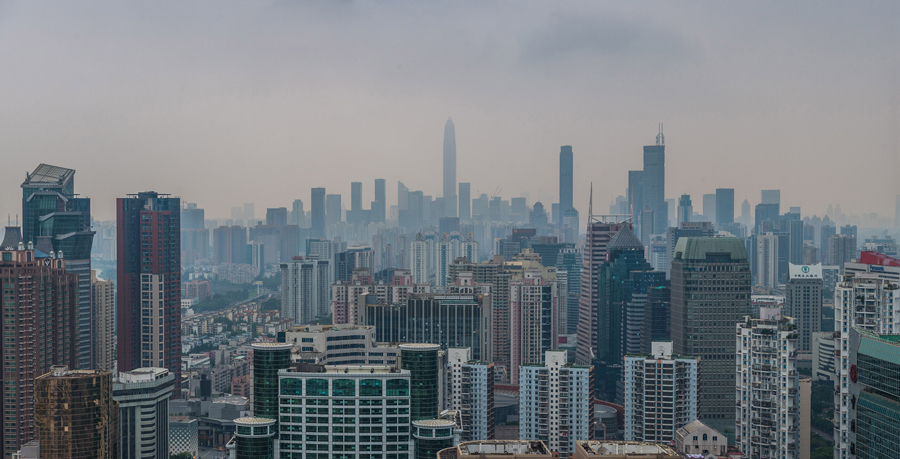
          Under the reform and opening-up policy, Shenzhen has been transformed from a fishing village into one of the country's first-tier metropolises. [Photo/Xinhua]

          A call to follow

          Leung wove his early life into the fabric of the reform and opening-up policy. He dedicated himself to becoming a contributor in 1979, after graduating from Bristol Polytechnic (now the University of the West of England). Leung's studies led him into a career as a land surveyor.

          "I followed what the country told me to," he said.

          Leung's efforts put him on the front line of Shenzhen's early development. He also played a role when Shanghai embarked on China's first urban land reform in the 1980s.

          There was no pay, no remuneration. Occasionally he would get some grain coupons, a replacement for cash that could be used to buy certain foods on the Chinese mainland from the 1950s to 1993.

          "Now looking back, I found the experience interesting and meaningful," Leung said. He acknowledged that his involvement in the country's urban land reform proved one of the two most important turning points of his life.

          Leung gained expertise in valuation and estate management, much of it from working on Shenzhen's urban plan. He was invited to share that expertise and his knowledge of Hong Kong's land policy with Shanghai officials in June 1987.

          He gave a one-hour presentation, but when he was getting ready to go he thought of something else. "We just discussed theories. What if problems occur putting theories into practice?" Leung recalled asking the local officials. "It was Shanghai's first time in land leasing."

          Leung persuaded the Shanghai government to send three officials to Hong Kong in early 1988. Together, they set up in a low-budget hotel, writing out by hand the tendering documents for China's first international land lease. In addition to compiling the lease document, Leung also translated it into English.

          "We had no access to the internet, nor would we use a computer to type. We called Shanghai officials to inform them of the contents and amended the documents according to their suggestions," he said.

          "It was energy-consuming. But I told the Shanghai officials that we were writing more than bidding documents. We were writing history."

          It took the group 20 days to finish the tendering document. The last working day saw just two paragraphs left to be translated into English. Leung invited the team to go on a Spring Festival shopping spree. He was surprised when the three Shanghai officials declined.

          "They said they would not leave until the work was finished," he said. "And in the end they didn't do any shopping.

          "It struck me the most. Our country became strong for a reason. People, like the team I worked with, are committed to the country and to working diligently toward progress. That is part of the reason."

          On March 22, 1988, Shanghai settled the nation's first international tenders for a land lease. A 1.29-hectare plot in the city's Hongqiao district was leased to a Japanese real estate developer, marking the opening of China's land-lease market to the international community.


          |<< Previous 1 2 3 4 Next   >>|
          Leung Chun-ying
          Hong Kong's former chief executive
          BORN:

          August 12, 1954, Hong Kong

          EDUCATION:

          1974-77: Bristol Polytechnic (now the University of the West of England), major in valuation and estate management

          CAREER:

          1983: Partner at Jones Lang LaSalle; president of the Hong Kong Institute of Surveyors; consultant to the steering group for Shanghai Pudong development; consultant to the steering group for Shanghai land-use reform; consultant to the steering group for Shenzhen land-use reform

          1988: Secretary-general of the Basic Law Consultative Committee

          1992: Hong Kong affairs consultant to the State Council's Hong Kong and Macao Affairs Office and Xinhua News Agency's Hong Kong branch

          1993: Member of the Preparatory Committee for the Hong Kong Special Administrative Region

          1996: Lawmaker of the Provisional Legislative Council

          1997-2011: Executive Council convener for three consecutive terms

          2012-17: Hong Kong SAR chief executive

          2017-present: Vice-chairman of the National Committee of the Chinese People's Political Consultative Conference

          Hong Kong's changing role in China's transformation

          Leung Chun-ying has been a keen participant in process of reform and opening-up
          WILLA WU
          Under the reform and opening-up policy, Shenzhen has been transformed from a fishing village into one of the country's first-tier metropolises. [Photo/Xinhua]

          A call to follow

          Leung wove his early life into the fabric of the reform and opening-up policy. He dedicated himself to becoming a contributor in 1979, after graduating from Bristol Polytechnic (now the University of the West of England). Leung's studies led him into a career as a land surveyor.

          "I followed what the country told me to," he said.

          Leung's efforts put him on the front line of Shenzhen's early development. He also played a role when Shanghai embarked on China's first urban land reform in the 1980s.

          There was no pay, no remuneration. Occasionally he would get some grain coupons, a replacement for cash that could be used to buy certain foods on the Chinese mainland from the 1950s to 1993.

          "Now looking back, I found the experience interesting and meaningful," Leung said. He acknowledged that his involvement in the country's urban land reform proved one of the two most important turning points of his life.

          Leung gained expertise in valuation and estate management, much of it from working on Shenzhen's urban plan. He was invited to share that expertise and his knowledge of Hong Kong's land policy with Shanghai officials in June 1987.

          He gave a one-hour presentation, but when he was getting ready to go he thought of something else. "We just discussed theories. What if problems occur putting theories into practice?" Leung recalled asking the local officials. "It was Shanghai's first time in land leasing."

          Leung persuaded the Shanghai government to send three officials to Hong Kong in early 1988. Together, they set up in a low-budget hotel, writing out by hand the tendering documents for China's first international land lease. In addition to compiling the lease document, Leung also translated it into English.

          "We had no access to the internet, nor would we use a computer to type. We called Shanghai officials to inform them of the contents and amended the documents according to their suggestions," he said.

          "It was energy-consuming. But I told the Shanghai officials that we were writing more than bidding documents. We were writing history."

          It took the group 20 days to finish the tendering document. The last working day saw just two paragraphs left to be translated into English. Leung invited the team to go on a Spring Festival shopping spree. He was surprised when the three Shanghai officials declined.

          "They said they would not leave until the work was finished," he said. "And in the end they didn't do any shopping.

          "It struck me the most. Our country became strong for a reason. People, like the team I worked with, are committed to the country and to working diligently toward progress. That is part of the reason."

          On March 22, 1988, Shanghai settled the nation's first international tenders for a land lease. A 1.29-hectare plot in the city's Hongqiao district was leased to a Japanese real estate developer, marking the opening of China's land-lease market to the international community.

          主站蜘蛛池模板: 国产69堂免费视频| 在线播放深夜精品三级| 久久被窝亚洲精品爽爽爽| 国产精品一区二区三区黄| 成人又黄又爽又色的视频| 亚洲欧美激情精品一区二区| 一区二区在线观看 激情| 无码日韩精品一区二区三区免费| 野花韩国高清电影| 偷柏自拍亚洲综合在线| 不卡av电影在线| 日本一道一区二区视频| 国产偷国产偷高清精品| 中文字幕无线码在线观看| 亚洲一区二区三上悠亚| 一本久道久久综合婷婷五月| 国产精品中文字幕av| 2019香蕉在线观看直播视频| 一区天堂中文最新版在线| 国产av普通话对白国语| 黄色免费在线网址| 白嫩少妇激情无码| 精品人妻中文字幕av| 日韩一卡2卡3卡4卡2021免费观看国色天香 | HEYZO无码中文字幕人妻| 久久综合色一综合色88| 国产成人高清精品免费软件| 2019亚洲午夜无码天堂| 亚洲一区二区三级av| 天堂国产+人+综合+亚洲欧美| 亚洲综合色区另类av| 成人网站免费观看永久视频下载| 欧美成人午夜精品免费福利| 中国美女a级毛片| 欧美s码亚洲码精品m码| 成人乱码一区二区三区四区| 毛片大全真人在线| 秋霞在线观看片无码免费不卡| 午夜国产精品福利一二| 亚洲av成人在线网站| 免费国产一区二区不卡|