
<tt id="6hsgl"><pre id="6hsgl"><pre id="6hsgl"></pre></pre></tt>
          <nav id="6hsgl"><th id="6hsgl"></th></nav>
          国产免费网站看v片元遮挡,一亚洲一区二区中文字幕,波多野结衣一区二区免费视频,天天色综网,久久综合给合久久狠狠狠,男人的天堂av一二三区,午夜福利看片在线观看,亚洲中文字幕在线无码一区二区
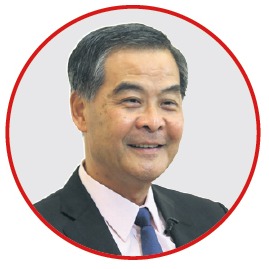
          Leung Chun-ying
          Hong Kong's former chief executive
          BORN:

          August 12, 1954, Hong Kong

          EDUCATION:

          1974-77: Bristol Polytechnic (now the University of the West of England), major in valuation and estate management

          CAREER:

          1983: Partner at Jones Lang LaSalle; president of the Hong Kong Institute of Surveyors; consultant to the steering group for Shanghai Pudong development; consultant to the steering group for Shanghai land-use reform; consultant to the steering group for Shenzhen land-use reform

          1988: Secretary-general of the Basic Law Consultative Committee

          1992: Hong Kong affairs consultant to the State Council's Hong Kong and Macao Affairs Office and Xinhua News Agency's Hong Kong branch

          1993: Member of the Preparatory Committee for the Hong Kong Special Administrative Region

          1996: Lawmaker of the Provisional Legislative Council

          1997-2011: Executive Council convener for three consecutive terms

          2012-17: Hong Kong SAR chief executive

          2017-present: Vice-chairman of the National Committee of the Chinese People's Political Consultative Conference

          Hong Kong's changing role in China's transformation
          Leung Chun-ying has been a keen participant in process of reform and opening-up
          WILLA WU
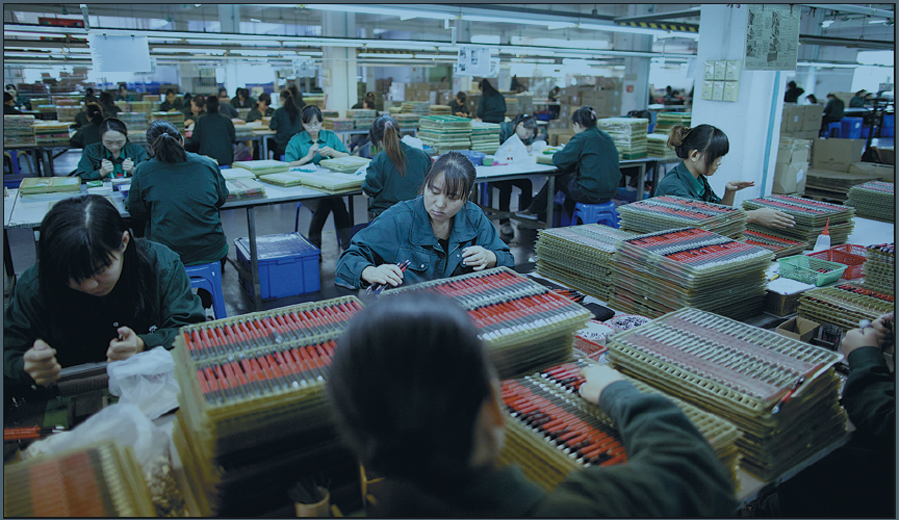
          Laborers make pencils at the A.W. Faber-Castell stationery factory in Guangzhou, Guangdong province, on Nov 26, 2013. CHINA DAILY

          'Two-way springboard'

          Leung never runs short of anecdotes about Hong Kong's involvement. In his eyes, the city's role changed as reform and opening-up gradually moved forward.

          Hong Kong started by providing jobs, then channeling capital and technology. Today, it has become the place where mainland and foreign enterprises gather to work out deals.

          "At the beginning, Hong Kong brought job opportunities to the vast mainland labor force," Leung said, referring to the time from 1979 to the mid-1980s, when the policy was in its early stage.

          During that time, the "three-plus-one" trading mix was prevalent in Guangdong province.

          It involved assembly work, making products based on provided samples, processing supplied materials, and compensation trade.

          Guangdong was one of the first two provinces approved by the central government for direct foreign investment. Fujian was the other.

          At the same time, Hong Kong's manufacturing industry experienced a boom. The skilled but inexpensive labor force and the proximity to Hong Kong drew manufacturers to Guangdong.

          "When I lined up at the Lo Wu border in 1979, I noticed that many people held bags of semifinished products, like tailored clothes that needed further processing," Leung said.

          Data from Hong Kong's Financial Services and the Treasury Bureau show that the city's manufacturing industry began shrinking around 1990. The number of enterprises engaged in manufacturing fell from 49,135 in 1990 to 26,536 in 1997, the year Hong Kong returned to the motherland.

          Hong Kong's manufacturers moved their factories to the Chinese mainland. The city shifted its role and became the key source of investment capital.

          July 15, 1993, saw Hong Kong's role in reform and opening-up experience another change, with Tsingtao Brewery becoming the first mainland company to list on the Hong Kong Stock Exchange.

          "Hong Kong served as a capital pool, capable of satisfying the brewer's thirst for 900 million yuan (about $156 million at the time)," Leung said. He added that role was soon to change, with mainland enterprises growing stronger as reform and opening-up evolved in new areas.

          "Now, Hong Kong is a two-way springboard, assisting mainland enterprises to go global and helping foreign companies seek business in the mainland," Leung said.

          Hong Kong Monetary Authority data show that over the past four decades, Hong Kong has accounted for 50 to 60 percent of all overseas direct investment flows to the Chinese mainland.

          The data also show that the mainland's outward direct investment reached $196 billion in 2016, with around 60 percent being invested in Hong Kong or channeled to other regions via the city.


          |<< Previous 1 2 3 4 Next   >>|
          Leung Chun-ying
          Hong Kong's former chief executive
          BORN:

          August 12, 1954, Hong Kong

          EDUCATION:

          1974-77: Bristol Polytechnic (now the University of the West of England), major in valuation and estate management

          CAREER:

          1983: Partner at Jones Lang LaSalle; president of the Hong Kong Institute of Surveyors; consultant to the steering group for Shanghai Pudong development; consultant to the steering group for Shanghai land-use reform; consultant to the steering group for Shenzhen land-use reform

          1988: Secretary-general of the Basic Law Consultative Committee

          1992: Hong Kong affairs consultant to the State Council's Hong Kong and Macao Affairs Office and Xinhua News Agency's Hong Kong branch

          1993: Member of the Preparatory Committee for the Hong Kong Special Administrative Region

          1996: Lawmaker of the Provisional Legislative Council

          1997-2011: Executive Council convener for three consecutive terms

          2012-17: Hong Kong SAR chief executive

          2017-present: Vice-chairman of the National Committee of the Chinese People's Political Consultative Conference

          Hong Kong's changing role in China's transformation

          Leung Chun-ying has been a keen participant in process of reform and opening-up
          WILLA WU
          Laborers make pencils at the A.W. Faber-Castell stationery factory in Guangzhou, Guangdong province, on Nov 26, 2013. CHINA DAILY

          'Two-way springboard'

          Leung never runs short of anecdotes about Hong Kong's involvement. In his eyes, the city's role changed as reform and opening-up gradually moved forward.

          Hong Kong started by providing jobs, then channeling capital and technology. Today, it has become the place where mainland and foreign enterprises gather to work out deals.

          "At the beginning, Hong Kong brought job opportunities to the vast mainland labor force," Leung said, referring to the time from 1979 to the mid-1980s, when the policy was in its early stage.

          During that time, the "three-plus-one" trading mix was prevalent in Guangdong province.

          It involved assembly work, making products based on provided samples, processing supplied materials, and compensation trade.

          Guangdong was one of the first two provinces approved by the central government for direct foreign investment. Fujian was the other.

          At the same time, Hong Kong's manufacturing industry experienced a boom. The skilled but inexpensive labor force and the proximity to Hong Kong drew manufacturers to Guangdong.

          "When I lined up at the Lo Wu border in 1979, I noticed that many people held bags of semifinished products, like tailored clothes that needed further processing," Leung said.

          Data from Hong Kong's Financial Services and the Treasury Bureau show that the city's manufacturing industry began shrinking around 1990. The number of enterprises engaged in manufacturing fell from 49,135 in 1990 to 26,536 in 1997, the year Hong Kong returned to the motherland.

          Hong Kong's manufacturers moved their factories to the Chinese mainland. The city shifted its role and became the key source of investment capital.

          July 15, 1993, saw Hong Kong's role in reform and opening-up experience another change, with Tsingtao Brewery becoming the first mainland company to list on the Hong Kong Stock Exchange.

          "Hong Kong served as a capital pool, capable of satisfying the brewer's thirst for 900 million yuan (about $156 million at the time)," Leung said. He added that role was soon to change, with mainland enterprises growing stronger as reform and opening-up evolved in new areas.

          "Now, Hong Kong is a two-way springboard, assisting mainland enterprises to go global and helping foreign companies seek business in the mainland," Leung said.

          Hong Kong Monetary Authority data show that over the past four decades, Hong Kong has accounted for 50 to 60 percent of all overseas direct investment flows to the Chinese mainland.

          The data also show that the mainland's outward direct investment reached $196 billion in 2016, with around 60 percent being invested in Hong Kong or channeled to other regions via the city.

          主站蜘蛛池模板: 国产360激情盗摄全集| 国内精品久久人妻无码妲| 亚洲av色综合久久综合| 高清欧美性猛交XXXX黑人猛交| 在线看免费无码的av天堂| 三级国产在线观看| 亚洲精品欧美综合四区| 成人嫩草研究院久久久精品| 国产精品亚洲综合第一页| 亚洲第一人伊伊人色综合| 亚洲天堂在线观看完整版| 夜夜高潮次次欢爽av女| 国产美女69视频免费观看| 狠狠色香婷婷久久亚洲精品| 亚洲国产日韩在线精品频道| 福利片91| 亚洲大片免费| 欧美一区二区三区欧美日韩亚洲| 久热这里只有精品视频六| 免费无码肉片在线观看| 亚洲av无码成人精品区一区| 国产尤物精品自在拍视频首页| 欧美成人aaa片一区国产精品 | 九九九久久国产精品| 国产乱子伦一区二区三区四区五区| 久久无码字幕中文久久无码| 亚洲一本大道在线| 99re6这里有精品热视频| 国产精品伦人一久二久三久| 精品国产精品午夜福利| 国产a网站| 国产精品久久无码不卡黑寡妇| 久久99精品久久久久久动态图 | 久久99精品久久久久久9| 亚洲熟妇自偷自拍另类| 在线观看国产一区亚洲bd| 性做久久久久久久久| 国产精品国产对白熟妇| 国精产品一区一区三区免费视频 | 亚洲国产精品无码一区二区三区 | 亚洲欧洲∨国产一区二区三区|