How Israel could play a role in BRI









The Belt and Road initiative is one of the key visions of the Chinese government. Focusing on efficient flow of goods, services and technology, it is a massive investment strategy. While bringing greater benefit to China it also seeks to address the infrastructural deficit in Asia and Africa, enhancing local economies and trade.
The terms belt and road are used to represent the fact that it is not just one logistics network, but is sea land and air freight working together. As well as this literal meaning, there can be an anecdotal use derived from these two words which is entirely appropriate. First, a belt is a harness employed to hold something important in place. It is a structural element. Then, a road leads somewhere; it links one group with another. It is a means of interaction.
This structural element combines China’s trading heritage and modern initiative, while involving and benefiting many other nations.
Investment often precedes interaction, and to begin to pave this road, China has invested heavily. For example, China has invested in Kenya’s railroad network, advanced hydropower in Pakistan and streamlined trade between itself and Kazakhstan.
It seems Chinese leadership has been quick to recognize that different countries have different skills, needs and contributions in relation to this initiative.
A year before Mao Ze Dong declared the creation of the People’s Republic of China, the State of Israel was declared. Also an ancient nation, after 2,000 years of having no state or territory, Israel rose again like the famed Phoenix.
Israel is a nation of about 8.5 million people, compared with China’s 1.4 billion. Yet Israel is not only a hub along the Belt and Road, her expertise is vital to help propel China’s great global initiative.
In ancient times, Israel was the crossroads of the world. People travelling from Africa into Asia, from Europe to Egypt, the Middle East to Mesopotamia all passed through Israel’s territory. Today, especially with the Belt and Road Initiative, Israel has not only again re-established her nationhood, but also her strategic geographical role.
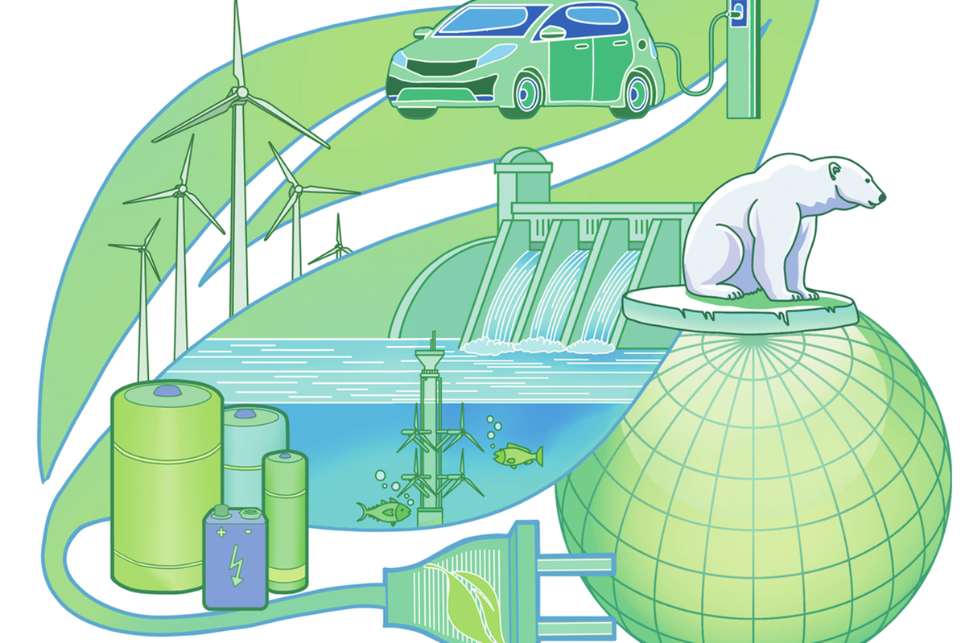
Israel specializes in green infrastructure and high-tech. Limited space and climate realities demanded that it quickly adapt and improvise after achieving nationhood. Arid wastelands have been transformed into lush and productive agricultural projects. A specialized export industry flourishes from a nation that did not even tangibly exist a century before. It certainly has proven experience and expertise to pass on.
Many specialized developments along this network are giving greater scope for Israeli technology. For instance, use of robotics, construction of bridges, railway and ports all call for know-how and products pioneered and designed in Israel.
At the same time, Israel is interested to learn from China’s world leading e-commerce experience. Here is a good example of two nations differing greatly in size and requirements, mutually benefitting each other.
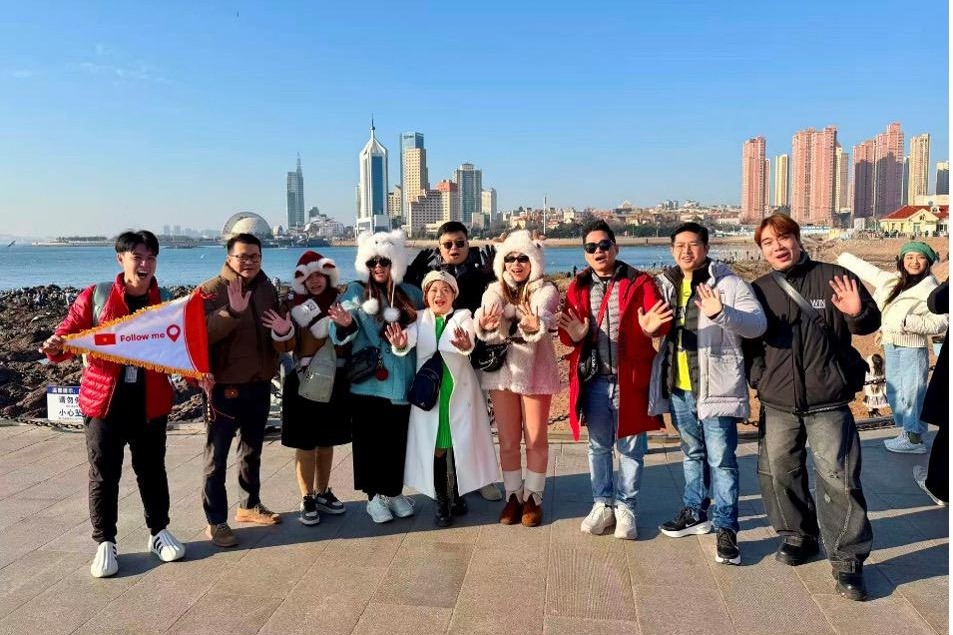
Another spin off is tourism. The number of Chinese tourists travelling to Israel has risen by over 40 percent every year for the last decade or so. In 2017 Chinese tourists to Israel exceeded 100,000.
As a belt gives structure and support, this initiative nurtures and enhances trade opportunities, and as a road connects people, it brings cultures closer together with the chance of mutual appreciation and co-operation.
When it comes to doing business, China certainly “knows how to fish”. Through the Belt and Road Initiative it not only protects its future trade interests, but also is helping other nations to “fish” more effectively.
Mark Buckle is a New Zealander who has lived, worked and studied in China for the last 7 years.
The opinions expressed here are those of the writer and do not represent the views of China Daily and China Daily website.