US may not regain lost image in Africa









The African continent, Sub-Saharan Africa in particular, may be relatively less developed. But its important geographical location, and vast market and abundant natural resources endue it with significant strategic value.
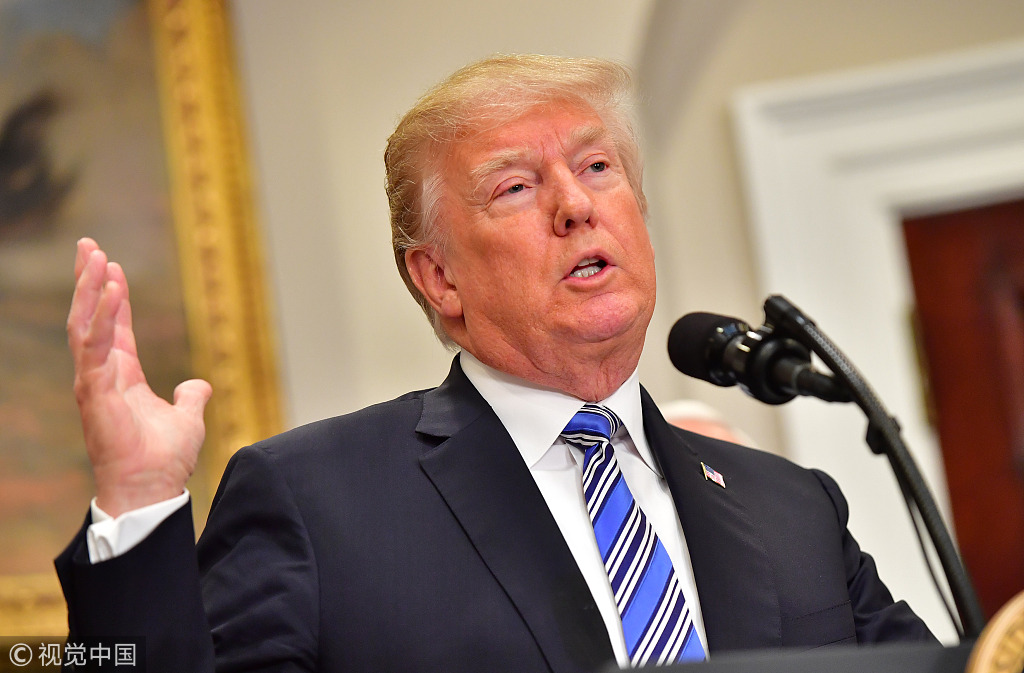
The Donald Trump administration has made a series of changes to the US' Africa policy since taking office. In October 2017, the Trump administration proposed to Congress that it reduce the aid budget for Africa by one-third. In December, President Trump vowed to withhold aid to the countries that condemned the US' decision to recognize Jerusalem as Israel's capital. In June, the US adjusted its approval procedures and lengthened the approval process for donations to multilateral institutions such as the African Development Bank, resulting in a reduction in such contributions.
Such US moves have made it harder for African countries, which are yet to emerge from the shocks of the global financial crisis, to get the funds desperately needed for development.
But why has the Trump administration changed its Africa policy so dramatically? Are these changes part of Trump's reckless moves or are there deep political considerations behind them?
The US got deeply involved in African affairs during the Cold War. Competing with the Soviet Union for hegemony, the US adopted political, economic, military and other means to win over African countries.
However, after the end of the Cold War, the US reassessed the value of Africa and relegated it to the bottom of its foreign strategy. Even in the face of constant conflicts, economic disorders and frequent humanitarian crises in Africa, the US adopted a "phaseout" policy, and did nothing except for promoting the "third wave" of democratization in total disregard to the African countries' political reality. It not only refused to intervene in most humanitarian crises in Africa but also ignored the African countries' development needs by reducing its economic assistance.
These US policies have created a "power vacuum" in Africa, which in turn has allowed terrorists to infiltrate the continent from the Middle East. The irony is that despite Africa being at the bottom of its strategic priorities, the US does not want to lose control over it-and that is the core of Washington's policy toward Africa.
Under external pressure, the US has, of late, started reassessing its post-Cold War Africa policy and is adjusting it. On the military front, it has increased military assistance to some African countries, carried out extensive counterterrorism cooperation with them, and set up some permanent military agencies in the region. In the economic field, it has begun opening up its market to some African countries, vigorously expanded its energy import from the continent, increased financial and technical support for trade with African countries, and promoted their economic reforms.
Trump believes Europe's traditional influence in Africa has squeezed the US' political development space and emerging powers have further shrunk its leverage in Africa. It is this sense of crisis that has prompted the US to strengthen relations with African countries, reduce the debts of and increase assistance to some of them, and promote American "political philosophy" on the continent-and all this to maintain its hold on the region.
The US' Africa policy may achieve some results, but it will still be difficult for the US to restore its impaired image among Africans.
The author is an associate research fellow at the Chinese Academy of International Trade and Economic Cooperation, Ministry of Commerce.