

<tt id="6hsgl"><pre id="6hsgl"><pre id="6hsgl"></pre></pre></tt>
          <nav id="6hsgl"><th id="6hsgl"></th></nav>
          国产免费网站看v片元遮挡,一亚洲一区二区中文字幕,波多野结衣一区二区免费视频,天天色综网,久久综合给合久久狠狠狠,男人的天堂av一二三区,午夜福利看片在线观看,亚洲中文字幕在线无码一区二区
          Pascal Lamy
          Former director-general of the World Trade Organization
          BORN:

          April 8, 1947 in Levallois-Perret, France

          CAREER:

          1981-83: Adviser to French Economics and Finance Minister Jacques Delors

          1983-84: Deputy chief of staff, Office of the Prime Minister

          1985-94: Chief of staff and representative of European Commission President Jacques Delors

          1994-99: Member of the executive committee, then director-general, Credit Lyonnais

          1999-2004: European trade commissioner, Brussels

          2005-13: Director-general, World Trade Organization

          2016-present: President, French committee of the Pacific Economic Cooperation Council

          2018-present: Distinguished professor, China Europe International Business School

          How reform path led to China's WTO entry
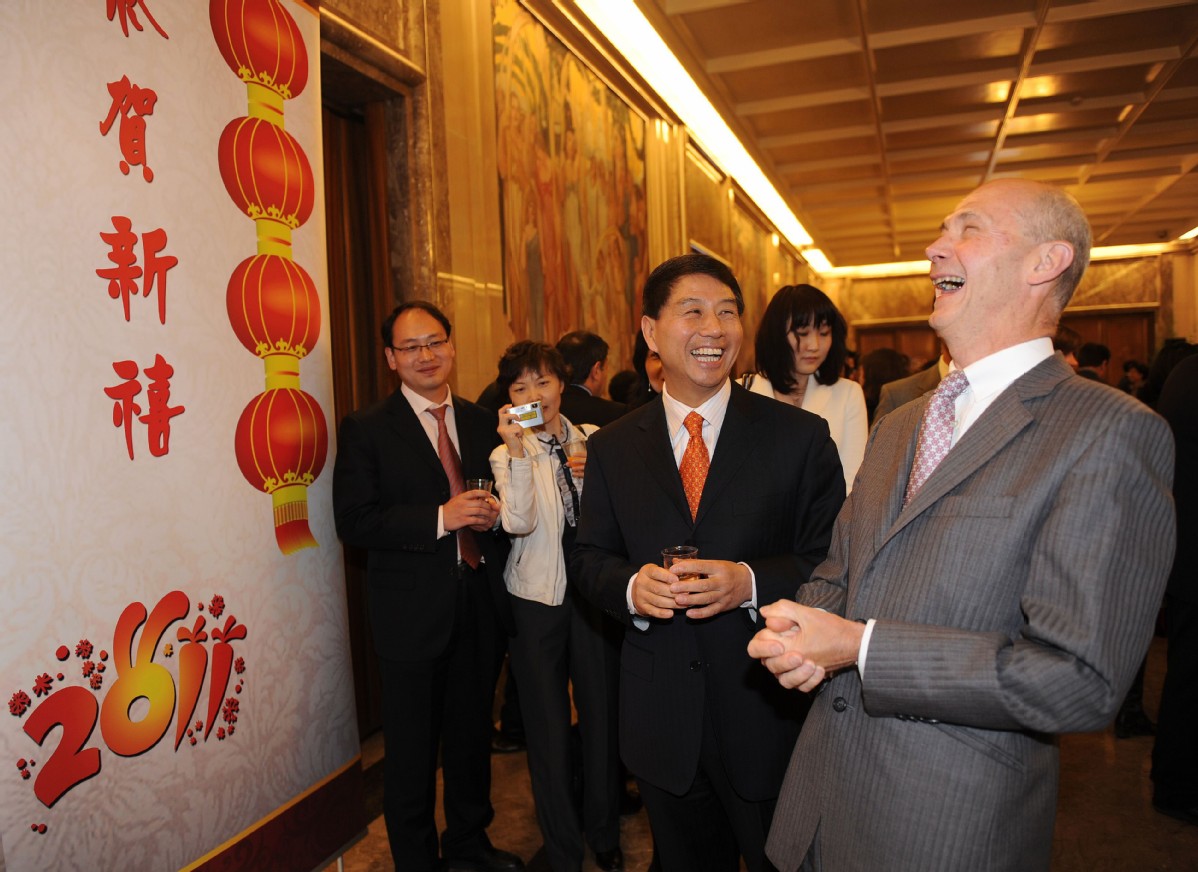
          Pascal Lamy sees challenges ahead but believes world can avoid descent into protectionism
          ANDREW MOODY
          Lamy talks with Yi Xiaozhun (center), China's permanent representative to the World Trade Organization, at the WTO headquarters in Geneva, Switzerland, on Feb 11, 2011. [Photo/Xinhua]

          Lamy, who in the late 1990s and early 2000s served as trade commissioner for the European Commission in Brussels, was to be an important player in the talks that led to China joining the WTO.

          He negotiated directly with the country's premier, Zhu Rongji, and its trade minister, Shi Guangsheng, to set terms for China's entry.

          "It was a very lengthy process because, like with all trade negotiations, they are very complex," Lamy said, adding that Zhu "had to create a very careful balance" between those whose arms he needed to twist to open up more and those who resisted.

          Lamy said there were two key issues to resolve during the lengthy negotiations.

          "The biggest questions were market access-China had to open its markets on goods, agriculture, industry and, to some extent, services. Although there was a bit less emphasis on the latter," he said. "And then there was the issue of China abiding by WTO rules on intellectual property. Market access and IP protection were the two big wins for China's trade partners."

          Although China's economic progress after 1978 was already impressive by the time of the negotiations, Lamy said there was no sense that the momentum would continue for the country to become the world's second-largest economy within a decade of entry.

          "Those who had the long view knew that China was developing fast; the growth performance was already impressive. Probably few thought it was sustainable, but it has proved to be so," he said. "This is the major achievement of the Chinese system. China growing at 6 to 6.5 percent now (given the size of the economy), means much more than it growing at double-digit rates at the time (of entry)."

          In addition to taking part in the negotiations for China's entry into the WTO, Lamy served as the organization's director-general from 2005 to 2013.

          The WTO and China now face a number of challenges, with United States President Donald Trump bypassing the organization's rules-based framework by imposing tariffs on China and other countries.

          "We all know that his tariffs are not WTO compliant," Lamy said. "There is uncertainty on whether Trump is after improving the trade regime or whether he is about getting rid of the trade regime. If he's about getting rid of the WTO and about removing multilateralism and moving to bilateralism, then I am quite convinced the European Union, Japan and China will not play his game."

          Lamy is a fervent believer in preserving the rules-based order for all.

          "This is why plan A is to keep everyone within the tent because there is a common interest in subscribing to this collective insurance policy against protectionism," he said. "If the US believe they can do without a collective insurance policy, then the others will have to move to plan B, which is to look at how a system without the US could work."

          He said it is not inconceivable that the WTO could operate without the world's largest economy.

          "For the moment, it is the big economy in the system, but it depends on whether you believe at the end of the day that having a collective system, a multilateral cooperation system is the right way to go. I think the EU, Japan, India, China and Africa believe this is so," he said.

          Lamy also said that the US side's claims that its trade deficit with China is depriving American workers of jobs does not hold water.

          "If it is a question of bringing back jobs to the US, it is already near full employment, so it must not be that relevant. It doesn't make sense. The US have had a trade deficit for a very long time, and I think most economies on this planet would agree that this has nothing to do with trade," he said.

          "The US have a trade deficit because US consumers consume more and save less than the rest of the planet. And as long as the US benefit from this formidable privilege of having the dollar, they don't have a problem financing the deficit. If they had a problem financing the deficit, it might be an issue. It is not an issue."

          Lamy insisted that if the US tried to somehow remove China from its global supply chain, so as to reduce its trade deficit with the country, it would just create new deficits with other countries.

          "(All this) is not a question of a US-China trade deficit. Assuming Trump reduces the US-China trade deficit, but increases the US-Vietnam or the US-Thailand deficit, that will not change anything seriously," he said.

          The G20 summit which concluded this month in Buenos Aires, however, called for reform of the multilateral system because it was "falling short of its objectives".


          Pascal Lamy
          Former director-general of the World Trade Organization
          BORN:

          April 8, 1947 in Levallois-Perret, France

          CAREER:

          1981-83: Adviser to French Economics and Finance Minister Jacques Delors

          1983-84: Deputy chief of staff, Office of the Prime Minister

          1985-94: Chief of staff and representative of European Commission President Jacques Delors

          1994-99: Member of the executive committee, then director-general, Credit Lyonnais

          1999-2004: European trade commissioner, Brussels

          2005-13: Director-general, World Trade Organization

          2016-present: President, French committee of the Pacific Economic Cooperation Council

          2018-present: Distinguished professor, China Europe International Business School

          How reform path led to China's WTO entry

          Pascal Lamy sees challenges ahead but believes world can avoid descent into protectionism
          ANDREW MOODY
          Lamy talks with Yi Xiaozhun (center), China's permanent representative to the World Trade Organization, at the WTO headquarters in Geneva, Switzerland, on Feb 11, 2011. [Photo/Xinhua]

          Lamy, who in the late 1990s and early 2000s served as trade commissioner for the European Commission in Brussels, was to be an important player in the talks that led to China joining the WTO.

          He negotiated directly with the country's premier, Zhu Rongji, and its trade minister, Shi Guangsheng, to set terms for China's entry.

          "It was a very lengthy process because, like with all trade negotiations, they are very complex," Lamy said, adding that Zhu "had to create a very careful balance" between those whose arms he needed to twist to open up more and those who resisted.

          Lamy said there were two key issues to resolve during the lengthy negotiations.

          "The biggest questions were market access-China had to open its markets on goods, agriculture, industry and, to some extent, services. Although there was a bit less emphasis on the latter," he said. "And then there was the issue of China abiding by WTO rules on intellectual property. Market access and IP protection were the two big wins for China's trade partners."

          Although China's economic progress after 1978 was already impressive by the time of the negotiations, Lamy said there was no sense that the momentum would continue for the country to become the world's second-largest economy within a decade of entry.

          "Those who had the long view knew that China was developing fast; the growth performance was already impressive. Probably few thought it was sustainable, but it has proved to be so," he said. "This is the major achievement of the Chinese system. China growing at 6 to 6.5 percent now (given the size of the economy), means much more than it growing at double-digit rates at the time (of entry)."

          In addition to taking part in the negotiations for China's entry into the WTO, Lamy served as the organization's director-general from 2005 to 2013.

          The WTO and China now face a number of challenges, with United States President Donald Trump bypassing the organization's rules-based framework by imposing tariffs on China and other countries.

          "We all know that his tariffs are not WTO compliant," Lamy said. "There is uncertainty on whether Trump is after improving the trade regime or whether he is about getting rid of the trade regime. If he's about getting rid of the WTO and about removing multilateralism and moving to bilateralism, then I am quite convinced the European Union, Japan and China will not play his game."

          Lamy is a fervent believer in preserving the rules-based order for all.

          "This is why plan A is to keep everyone within the tent because there is a common interest in subscribing to this collective insurance policy against protectionism," he said. "If the US believe they can do without a collective insurance policy, then the others will have to move to plan B, which is to look at how a system without the US could work."

          He said it is not inconceivable that the WTO could operate without the world's largest economy.

          "For the moment, it is the big economy in the system, but it depends on whether you believe at the end of the day that having a collective system, a multilateral cooperation system is the right way to go. I think the EU, Japan, India, China and Africa believe this is so," he said.

          Lamy also said that the US side's claims that its trade deficit with China is depriving American workers of jobs does not hold water.

          "If it is a question of bringing back jobs to the US, it is already near full employment, so it must not be that relevant. It doesn't make sense. The US have had a trade deficit for a very long time, and I think most economies on this planet would agree that this has nothing to do with trade," he said.

          "The US have a trade deficit because US consumers consume more and save less than the rest of the planet. And as long as the US benefit from this formidable privilege of having the dollar, they don't have a problem financing the deficit. If they had a problem financing the deficit, it might be an issue. It is not an issue."

          Lamy insisted that if the US tried to somehow remove China from its global supply chain, so as to reduce its trade deficit with the country, it would just create new deficits with other countries.

          "(All this) is not a question of a US-China trade deficit. Assuming Trump reduces the US-China trade deficit, but increases the US-Vietnam or the US-Thailand deficit, that will not change anything seriously," he said.

          The G20 summit which concluded this month in Buenos Aires, however, called for reform of the multilateral system because it was "falling short of its objectives".

          主站蜘蛛池模板: 成人无码h真人在线网站| 三年片最新电影免费观看| 久久综合国产精品一区二区| 激情 自拍 另类 亚洲| 国产高清看片日韩欧美久久| 亚洲一区久久蜜臀av| 1024你懂的国产精品| 国产精品小粉嫩在线观看| 国产裸体美女视频全黄| a男人的天堂久久a毛片| 国产乱妇乱子在线视频| 亚洲国产香蕉视频欧美| 人成午夜免费大片| 欧洲-级毛片内射| 日韩精品 在线一区二区| 亚洲日韩一区二区一无码| 国产精品亚洲av三区色| 最近免费中文字幕mv在线视频3| 婷婷99视频精品全部在线观看| 国内自拍视频一区二区三区| 国产优质女主播在线观看 | 免费人成网站免费看视频| 国产成人亚洲精品无码青APP| 人妻中文字幕亚洲精品| 1000部啪啪未满十八勿入下载| 国产亚洲精品综合一区二区| 亚洲暴爽av天天爽日日碰| 国产精品亚洲av三区色| 曰韩无码二三区中文字幕| 久久精品国产最新地址| 日韩全网av在线| 日韩精品久久久肉伦网站| 成年黄页网站大全免费无码| 精品少妇一区二区三区视频| 在线 国产 欧美 专区| 久久精品无码一区二区国产区| 日韩丝袜欧美人妻制服| 亚洲国产成人无码网站 | 在线观看91精品国产不卡| 色悠悠成人综合在线视频| 亚洲人成小说网站色在线 |