
<tt id="6hsgl"><pre id="6hsgl"><pre id="6hsgl"></pre></pre></tt>
          <nav id="6hsgl"><th id="6hsgl"></th></nav>
          国产免费网站看v片元遮挡,一亚洲一区二区中文字幕,波多野结衣一区二区免费视频,天天色综网,久久综合给合久久狠狠狠,男人的天堂av一二三区,午夜福利看片在线观看,亚洲中文字幕在线无码一区二区
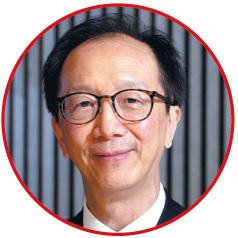
          Antony Leung Kam-chung
          Hong Kong businessman and former politician
          BORN:

          Jan 29, 1952, in Hong Kong

          EDUCATION:

          1973: Bachelor of social sciences, economics and statistics, University of Hong Kong

          1982: Management development program, Harvard Business School

          1999: Advanced management program, Harvard Business School

          CAREER:

          1973-96: Currency trader and regional manager in New York and across Asia, Citigroup

          1990-98: Chairman, Hong Kong University Grants Committee

          1996-2001: Head of Greater China and the Philippines, Chase Manhattan Bank (now JPMorgan Chase)

          1997-2001: Non-official member, Hong Kong Executive Council

          1998-2001: Chairman, Hong Kong Education Commission

          2000-01: Chairman in Asia-Pacific, JPMorgan Chase

          2001-03: Financial secretary, Hong Kong

          2007-14: Senior managing director and chairman for Greater China, The Blackstone Group

          2014-present: Chairman and CEO, Nan Fung Group

          2016-present: Co-founder and chairman, New Frontier Group

          The banker who helped build Greater Bay Area
          After joining HK government, Antony Leung proposed measures to aid China's economic revival
          He Shusi in Hong Kong
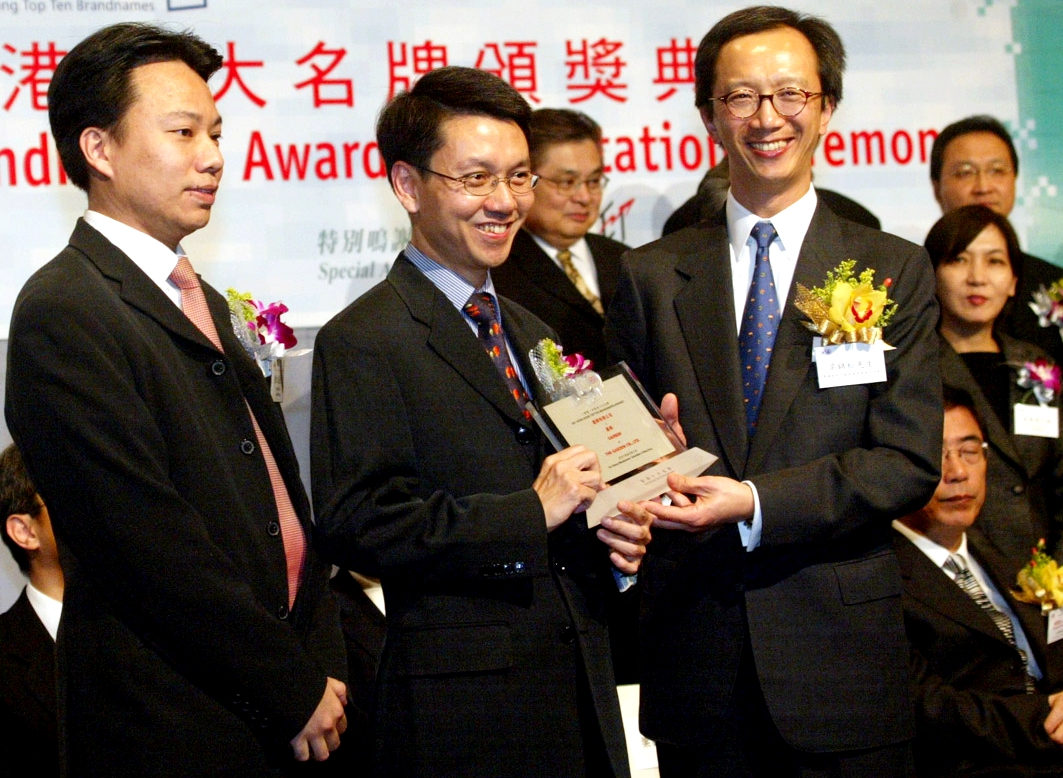
          Antony Leung Kam-chung presents the Hong Kong Top Brand Awards to one of the winners on Jan 17, 2002, as financial secretary of the Hong Kong Special Administrative Region government. [Huo Yan/China Daily]

          Although the Guangdong-Hong Kong-Macao Greater Bay Area is now economically developed, that was not the case years ago.

          Antony Leung Kam-chung remembers a childhood visit to his ancestral home in Guangdong province at age 10, when poverty was a way of life.

          That part of the Bay Area, across the border from Hong Kong, became part of the Chinese miracle. Leung contributed to making that miracle happen, and made his fortune.

          "I remember going back to my ancestral home in Shunde, now part of Foshan city on the west coast of the Pearl River Estuary," Leung said. "There was no electricity at home.

          "We used kerosene lamps for light. I remember using one of those lamps to smoke out the mosquitoes from the netting on my bed."

          Back then, he could have hardly imagined that he would ride out those hard times and then take a wild ride in Asia's financial markets, and eventually become a leading player in the industry.

          But he did have a small boost of insight that helped him through the early days of reform and opening-up, and even during the times when Hong Kong's economy faced uncertainty.

          Seeing potential amid chaos

          Right after graduation from University of Hong Kong in 1973, Leung joined Citibank. His instincts for the volatile market led him to take charge of the bank's foreign exchange department for Hong Kong and East Asia in 1984 at the age of 32.

          He became a major player in the market, speculating on the Hong Kong dollar. The fluctuations in the market were pretty dramatic. Leung bought low, and could possibly be credited with helping to pull the Hong Kong dollar back up again, while making a fortune for Citibank at the same time.

          "We weathered the storm and in fact made great profits for the bank," he wrote in his profile on Citibank's website. "But we were concerned about the worrisome potential of social instability that can come with market volatility. This planted a seed in my heart for my public service later on."

          Leung rose to become the bank's country corporate officer for China in the mid-1980s.

          It was an era when China's reform and opening-up - the fulcrum of the Chinese economic miracle - began. They were prosperous times for Hong Kong.

          However, it was never smooth all the time. Light industries quickly shifted out of Hong Kong and into Guangdong province, but the power supply in the province was insufficient to keep it going.

          As a result, the central government made power supply development in Guangdong a priority, and Leung became a major player in the country's first entry into project finance. He successfully assembled funds for building the Shajiao B Power Station in Dongguan, Guangdong.

          "Citibank was doing project finance around the world," he said. "Before opening-up, China's institutionalized system had no need for the type of financing in use almost everywhere else.

          "The government always made its own investment in infrastructure. After opening-up, the government took note of what was being done to finance massive infrastructure projects elsewhere."

          Due to the demand for electricity to fuel economic growth in Guangdong, Leung considered project financing for the power station a safe bet. As a leading partner of a consortium of several foreign banks, Citibank arranged the loan.

          The consortium gathered hundreds of millions of dollars. Shajiao B, the second phase of the Shajiao power complex, went into operation in 1987.

          The complex today is the largest fossil fuel power station in South China. It was the principal engine driving industrial development in the Pearl River Delta during the early days of reform and opening-up.

          "I felt very good," Leung said. "You know, back then the country lacked almost everything. It's a really good infrastructure project, which largely improved productivity and people's lives in the delta area."


          1 2 3 Next   >>|
          Antony Leung Kam-chung
          Hong Kong businessman and former politician
          BORN:

          Jan 29, 1952, in Hong Kong

          EDUCATION:

          1973: Bachelor of social sciences, economics and statistics, University of Hong Kong

          1982: Management development program, Harvard Business School

          1999: Advanced management program, Harvard Business School

          CAREER:

          1973-96: Currency trader and regional manager in New York and across Asia, Citigroup

          1990-98: Chairman, Hong Kong University Grants Committee

          1996-2001: Head of Greater China and the Philippines, Chase Manhattan Bank (now JPMorgan Chase)

          1997-2001: Non-official member, Hong Kong Executive Council

          1998-2001: Chairman, Hong Kong Education Commission

          2000-01: Chairman in Asia-Pacific, JPMorgan Chase

          2001-03: Financial secretary, Hong Kong

          2007-14: Senior managing director and chairman for Greater China, The Blackstone Group

          2014-present: Chairman and CEO, Nan Fung Group

          2016-present: Co-founder and chairman, New Frontier Group

          The banker who helped build Greater Bay Area

          After joining HK government, Antony Leung proposed measures to aid China's economic revival
          He Shusi in Hong Kong
          Antony Leung Kam-chung presents the Hong Kong Top Brand Awards to one of the winners on Jan 17, 2002, as financial secretary of the Hong Kong Special Administrative Region government. [Huo Yan/China Daily]

          Although the Guangdong-Hong Kong-Macao Greater Bay Area is now economically developed, that was not the case years ago.

          Antony Leung Kam-chung remembers a childhood visit to his ancestral home in Guangdong province at age 10, when poverty was a way of life.

          That part of the Bay Area, across the border from Hong Kong, became part of the Chinese miracle. Leung contributed to making that miracle happen, and made his fortune.

          "I remember going back to my ancestral home in Shunde, now part of Foshan city on the west coast of the Pearl River Estuary," Leung said. "There was no electricity at home.

          "We used kerosene lamps for light. I remember using one of those lamps to smoke out the mosquitoes from the netting on my bed."

          Back then, he could have hardly imagined that he would ride out those hard times and then take a wild ride in Asia's financial markets, and eventually become a leading player in the industry.

          But he did have a small boost of insight that helped him through the early days of reform and opening-up, and even during the times when Hong Kong's economy faced uncertainty.

          Seeing potential amid chaos

          Right after graduation from University of Hong Kong in 1973, Leung joined Citibank. His instincts for the volatile market led him to take charge of the bank's foreign exchange department for Hong Kong and East Asia in 1984 at the age of 32.

          He became a major player in the market, speculating on the Hong Kong dollar. The fluctuations in the market were pretty dramatic. Leung bought low, and could possibly be credited with helping to pull the Hong Kong dollar back up again, while making a fortune for Citibank at the same time.

          "We weathered the storm and in fact made great profits for the bank," he wrote in his profile on Citibank's website. "But we were concerned about the worrisome potential of social instability that can come with market volatility. This planted a seed in my heart for my public service later on."

          Leung rose to become the bank's country corporate officer for China in the mid-1980s.

          It was an era when China's reform and opening-up - the fulcrum of the Chinese economic miracle - began. They were prosperous times for Hong Kong.

          However, it was never smooth all the time. Light industries quickly shifted out of Hong Kong and into Guangdong province, but the power supply in the province was insufficient to keep it going.

          As a result, the central government made power supply development in Guangdong a priority, and Leung became a major player in the country's first entry into project finance. He successfully assembled funds for building the Shajiao B Power Station in Dongguan, Guangdong.

          "Citibank was doing project finance around the world," he said. "Before opening-up, China's institutionalized system had no need for the type of financing in use almost everywhere else.

          "The government always made its own investment in infrastructure. After opening-up, the government took note of what was being done to finance massive infrastructure projects elsewhere."

          Due to the demand for electricity to fuel economic growth in Guangdong, Leung considered project financing for the power station a safe bet. As a leading partner of a consortium of several foreign banks, Citibank arranged the loan.

          The consortium gathered hundreds of millions of dollars. Shajiao B, the second phase of the Shajiao power complex, went into operation in 1987.

          The complex today is the largest fossil fuel power station in South China. It was the principal engine driving industrial development in the Pearl River Delta during the early days of reform and opening-up.

          "I felt very good," Leung said. "You know, back then the country lacked almost everything. It's a really good infrastructure project, which largely improved productivity and people's lives in the delta area."

          主站蜘蛛池模板: 疯狂做受XXXX高潮国产| 成人av午夜在线观看| 国产精品一品二区三区的使用体验| 国产一区二区午夜福利久久| 亚洲国产性夜夜综合| 国色天香中文字幕在线视频| 国产高清自产拍AV在线| 芒果乱码一线二线三线新区| 精品中文人妻中文字幕| 欧美日韩一区二区三区在线视频| 国产精品中文字幕日韩| 久久亚洲精少妇毛片午夜无码 | 无码毛片一区二区本码视频| 精品一区二区三区在线播放视频 | 日日摸夜夜添夜夜添国产三级| 国产精品色内内在线播放| 国产亚洲精品AA片在线播放天| 人妻蜜臀久久av不卡| 亚洲欧美人成电影在线观看| 亚洲精品无码日韩国产不卡av| 中文字幕人妻少妇第一页| 天堂在线最新版av观看| 久久996re热这里只有精品无码 | 麻豆精产国品一二三区区| 亚洲粉嫩av一区二区黑人| 人妻系列中文字幕精品| 乱码午夜-极品国产内射| 高中女无套中出17p| 亚洲AV无码乱码在线观看性色扶| 亚洲成在人网站AV天堂| 色综合 图片区 小说区| 亚洲天堂男人天堂女人天堂| 国产精品 欧美 亚洲 制服| 亚洲色无码中文字幕手机在线| 日韩中文字幕精品人妻| 欧美videosdesexo肥婆| 亚洲高潮喷水无码AV电影| 亚洲国产日韩在线精品频道| 国产成人精品中文字幕| 国产老妇伦国产熟女老妇高清| 激情人妻自拍中文夜夜嗨|