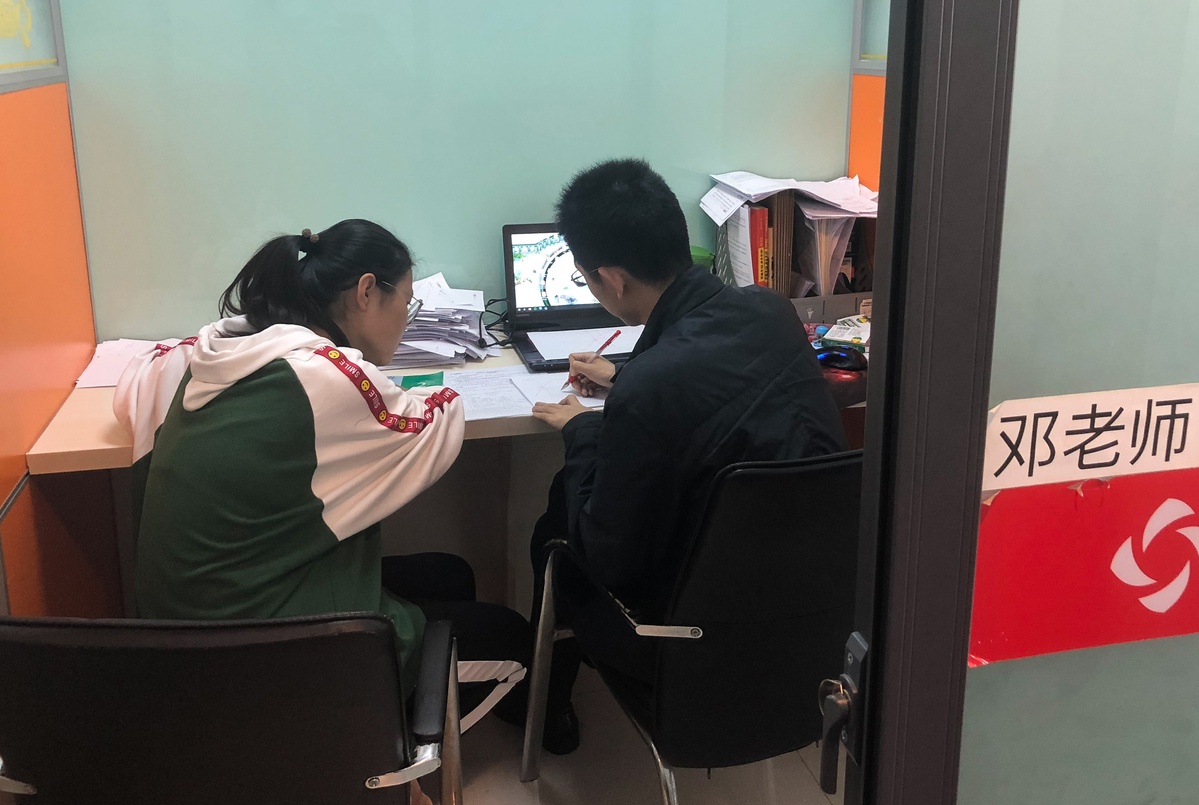
After-school tuition fills downtime for students









Unbalanced system
Cui Shifeng, principal of Hefei Hupo Mingcheng Primary School in Anhui province, said the regulation on cram schools is part of the government's "academic burden reduction" policies, which have been around for decades.
The main reason students have to attend cram schools is the unbalanced distribution of educational resources, which prompts parents to do everything they can to send their child to the best schools, he said.
Although the education authorities have been discussing ways to reduce the burden on children since 1955, pupils' workloads have risen over the past few years, according to Cui.
"It's ironic that the education authorities are asking parents to focus less on their child's academic scores and refrain from sending them to tutoring classes, but they continue to admit students to high schools and colleges solely on the basis of scores in entrance exams," Cui said.
As long as the gaokao, the national university entrance exam, is the only way students can gain admittance to higher education, parents will force their children to channel all their energy into their studies, he said.
The only thing the current regulations will achieve is to a make life more difficult for smaller after-school outfits in the sector and force substandard establishments to close, but it won't take long for parents to find new classes for their children to attend, he added.



- Beijing West Railway Station marks 30th anniversary
- Taiwan compatriots will see more opportunities in next five-year plan
- Xinjiang reports highest foreign trade growth in China
- Harbin authorities demand return of pensions paid out to deceased
- Global research project on AI guardrails launched in Beijing
- Partnering with China, embracing opportunities