COVID-19 reversing decades of progress on poverty, healthcare, education: UN report









UNITED NATIONS - The COVID-19 pandemic is reversing decades of progress on poverty, healthcare and education, the UN Department of Economic and Social Affairs said Tuesday in an annual report.
The 15-year global effort to improve the lives of people around the world through the achievement of the 17 Sustainable Development Goals (SDGs) by 2030 was already off track by the end of 2019. And now, the COVID-19 pandemic has unleashed an unprecedented crisis, causing further disruption to SDG progress in a short time, with the world's poorest and most vulnerable affected the most, according to the Sustainable Development Goals Report 2020.
Using the latest data and estimates, this annual stocktaking report on progress across the 17 goals shows that COVID-19 is affecting the world's poorest and most vulnerable people the most, including children, older persons, persons with disabilities, migrants and refugees.
An estimated 71 million people are expected to be pushed back into extreme poverty in 2020, the first rise in global poverty since 1998. Many of these people are workers in the informal economy, whose incomes dropped by 60 percent in the first month of the crisis. Lost incomes, limited social protection and rising prices mean even those who were previously secure could find themselves at risk of poverty and hunger.
More than 1 billion slum dwellers worldwide are acutely at risk due to COVID-19, suffering from inadequate housing with limited or no access to basic infrastructure and services.
Women and children are also among those bearing the heaviest brunt of the pandemic's effects. Many countries have seen a surge in reports of domestic violence against women and children. About 70 countries reported moderate-to-severe disruptions or a total suspension of childhood vaccination services during March and April of 2020. Disruption to health and vaccination services as well as limited access to diet and nutrition services could cause hundreds of thousands of additional under-five deaths and tens of thousands of additional maternal deaths in 2020.
School closures have kept 90 percent of students worldwide (1.57 billion) out of school and caused over 370 million children to miss out on school meals they depend on. As more families fall into extreme poverty, children in poor and disadvantaged communities are at much greater risk of child labour, child marriage and child trafficking. In fact, the global gains in reducing child labor are likely to be reversed for the first time in 20 years
"The principles on which the SDGs were established are key to building back better in the post-COVID-19 recovery," said UN Under-Secretary-General for Economic and Social Affairs Liu Zhenmin.
"The continued pursuit of these universal goals will keep governments focused on growth, but also on inclusion, equity and sustainability. Our collective response to the pandemic can serve as a 'warm-up' for our preparedness in preventing an even larger crisis - that is, global climate change, whose effects are already becoming all too familiar," Liu noted.
The annual reports provide an overview of the world's implementation efforts to date, highlighting areas of progress and where more action needs to be taken. They are prepared by the UN Department of Economic and Social Affairs, with input from international and regional organizations and the United Nations system of agencies, funds and programs. Several national statisticians, experts from civil society and academia also contribute to the reports.
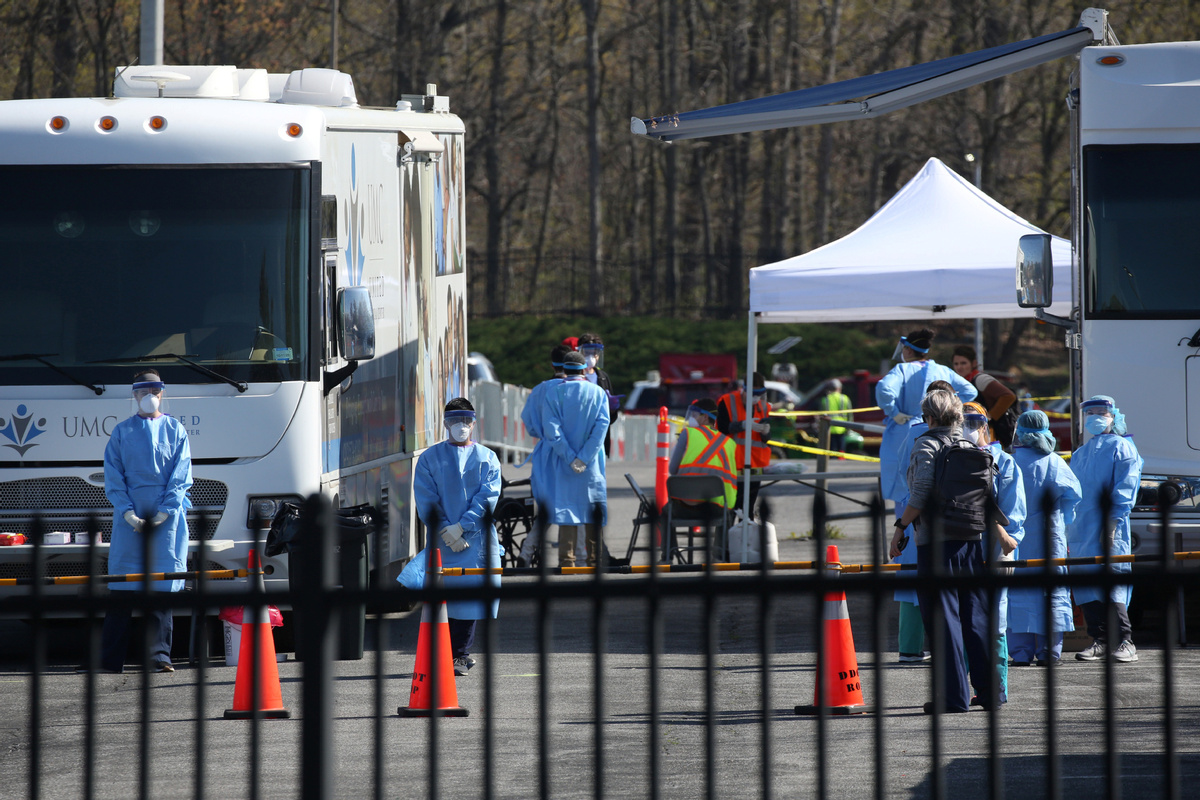
The COVID-19 pandemic has become the worst human and economic crisis in the world, with the global death toll exceeding 500,000 and the number of confirmed cases at more than 11 million.